


An off-grid setup lives or dies by dependable storage, whether you power a cabin, boat, RV, golf cart, or solar installation. Capacity handles the daily load, while voltage, discharge capability, physical dimensions, and temperature management determine whether the system fits its enclosure. The list includes five lithium batteries and two supporting cables, so you can match storage capacity to the equipment in your particular installation.
The Leading Options At A Glance

LOSSIGY 48V 100AH Golf Cart Lithium Battery Bluetooth 200A BMS

Renogy 8ft 8 AWG Copper Tray Cable

LiTime 24V 100Ah Bluetooth LiFePO4 Marine Battery
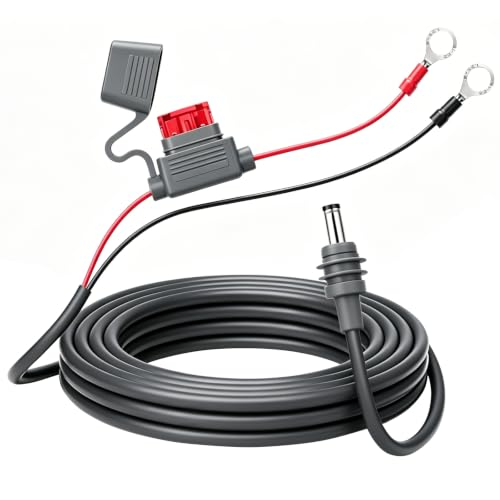
BURMONG 10FT Starlink Mini Battery Power Cable

Renogy 12V 100Ah Trolling Motor LiFePO4 Battery

Renogy 12V 100Ah Self-Heating LiFePO4 Battery
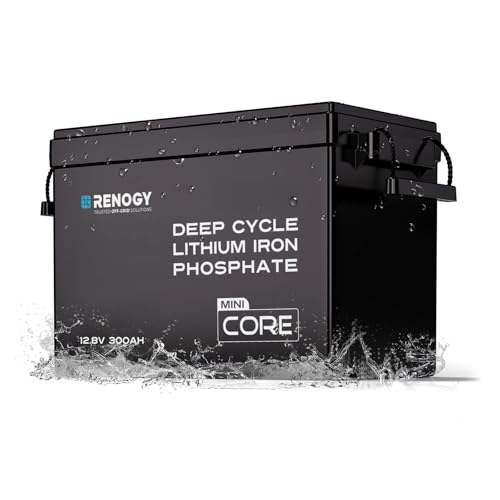
Renogy 300Ah 12V Mini LiFePO4 Battery
Meet The Standout Selections
A 48V pack changes the storage architecture for demanding mobile equipment, reducing the number of batteries feeding a high-voltage golf cart or off-grid installation. This LOSSIGY model combines 100Ah capacity with a 200A battery management system, while its Bluetooth connection gives you a way to check operating information away from the enclosure.
For a solar shed, RV conversion, or marine auxiliary system, the advertised 5,120W output and 1,000A peak current make this a high-output choice. The honest catch is that those figures represent an ambitious electrical package, so your inverter, charge controller, wiring, and enclosure must be designed around the same system voltage.
The Helpful Details
- The 100Ah rating provides meaningful deep-cycle storage within a single high-voltage battery.
- The 200A BMS helps coordinate charging and discharge across the pack.
- Bluetooth monitoring reduces the need to access a display hidden inside a vehicle or cabinet.
- A listed IP65 rating suits exposed installations, subject to correct sealing and installation.
Practical Considerations
- Measure the enclosure carefully, since the stated electrical output does not describe the battery’s physical dimensions.
- High-current installations still need properly sized conductors, fusing, ventilation, and manufacturer-compatible charging equipment.
Technical Highlights
Built With In Mind
You benefit most from this battery when operating high-output 48V equipment or replacing a similarly configured golf-cart pack.
Where Another Pick Shines
Renogy 12V 100Ah Self-Heating LiFePO4 Battery is a better fit for a smaller 12V cabin installation exposed to cold conditions.
The Renogy cable handles a small but essential job in an off-grid installation: connecting a charge controller to a battery. It comes as an 8-foot pair of 8 AWG copper conductors, with ring terminals on the battery side and exposed wire on the controller side. That arrangement can simplify routing beneath a trailer, beside a battery tray, or inside a solar cabinet.
Compared with the LOSSIGY 48V battery, this isn’t storage at all, but dependable wiring affects charging efficiency, terminal security, and serviceability. For most compact solar kits, an 8-foot run may suit the layout, though longer battery-to-controller distances call for a longer cable and a voltage-loss calculation based on your current draw.
Bright Spots
- The 8 AWG copper construction provides a substantial conductor for everyday charge-controller connections.
- Preattached ring terminals simplify the battery connection and help keep terminal hardware organized.
- The exposed controller-side wire allows adaptation to different charge-controller ports.
- A paired eight-foot run reduces the loose wire length often found around mobile installations.
Worth Noting
- You must confirm wire length and polarity before installation; a longer electrical run can add resistance and voltage drop.
- The stripped controller-side conductor needs proper termination, strain relief, and insulation to avoid exposed copper.
Right Fit For
This cable suits you when a compact solar or portable-power installation places the charge controller within eight feet of its battery bank.
Consider Something Else When
BURMONG 10FT Starlink Mini Battery Power Cable is the better fit for powering one compatible Starlink Mini unit directly from a battery.
A 24V architecture offers another balance between battery count and controller voltage for boats, RVs, and remote cabins. The LiTime 100Ah battery adds Bluetooth 5.0 monitoring and discharge controls, useful when the battery sits below deck or inside a locked service compartment. Its dimensions, however, place it beyond the smallest battery lockers.
The listed 45.85-pound weight is manageable for planned installation with two people, and the 4P2S configuration indicates support for larger battery groups. For a spacious boat compartment, the LiTime unit can be attractive; in a small recreational craft, you may find its 8.2-by-21-by-8.5-inch envelope too deep.
Everyday Wins
- Bluetooth 5.0 provides automatic connection for checking status and controlling discharge.
- The 100Ah rating at 24V provides more useful storage than a typical small lead-acid setup.
- Support for a 4P2S arrangement gives installers a path toward higher system capacity.
- The stated weight is substantially below comparable lead-acid capacity.
Small Caveats
- Measure the compartment depth before ordering because smaller boats may lack clearance around the battery.
- A 45.85-pound battery still requires sound mounts and two-person handling in a rocking marine environment.
Feature Snapshot
Made For
You get the best fit in a roomy boat, RV compartment, or off-grid enclosure designed around a 24V battery arrangement.
A Better Fit Elsewhere
Renogy 12V 100Ah Trolling Motor LiFePO4 Battery fits standard low-voltage marine setups with a smaller Group 24 format.
Starlink Mini placement gets complicated in an RV or boat because the terminal may sit far from the battery compartment. This 10-foot cable offers a direct route from a 12V-to-48V battery system, with marked ring terminals for polarity and a fuse holder incorporated into the line. You avoid placing an additional inverter between the battery and terminal.
For a truck camp, work trailer, or cabin where Starlink needs remote placement, that arrangement keeps the power path straightforward. It doesn’t fit every Starlink configuration, however, and the 18 AWG wire should match the terminal’s input requirements rather than the battery bank’s total output capacity.
Advantages To Know
- Direct battery connection simplifies Starlink Mini cabling in mobile installations.
- The ten-foot reach provides useful routing flexibility between a compartment and an exterior or elevated location.
- Marked ring terminals reduce uncertainty when identifying positive and negative connections.
- The integrated fuse holder supports a protected cable run.
Details To Watch
- The cable is designed around the listed Starlink Mini connection and is not a general-purpose battery lead.
- Install the fuse in the position specified by the terminal’s power requirements and secure both ring terminals to clean, tight battery posts.
Quick Facts
Who Should Grab It
This lead fits you when powering a compatible Starlink Mini terminal from a remote battery bank in an RV, boat, truck, or solar setup.
Reach For A Different Pick When
Renogy 8ft 8 AWG Copper Tray Cable serves a different role by linking a charge controller to its battery bank.
The Group 24 format brings this Renogy battery into many familiar marine layouts without asking you to redesign the compartment. Its 100Ah rating, 150A continuous discharge, and 300A surge capability target trolling-motor demand, while Bluetooth adds remote status visibility. The listed IP67 rating is particularly relevant around splashes and damp boat interiors, provided the enclosure and terminals remain properly configured.
At 21.8 pounds, the battery can reduce weight and free space compared with larger traditional banks. For a fishing boat spending long hours under motor load, the trade-off is electrical compatibility: your charger and motor wiring must support lithium chemistry and the specified current levels.
Where It Delivers
- The Group 24 format fits many common trolling-motor battery compartments.
- Bluetooth monitoring helps you check operating status without opening the battery box.
- A 150A continuous discharge target supports sustained loads from compatible 12V trolling motors.
- The 21.8-pound listed weight improves portability and vessel loading.
- IP67 protection suits wet marine surroundings more closely than an uncovered lead-acid installation.
Where It May Fall Short
- A compact Group 24 enclosure still needs positive terminal clearance, secure retention, and access for inspection.
- Older chargers may require lithium-compatible settings, so confirm the charging profile before installation.
Core Details
Perfect Match For
You benefit most from this battery in a Group 24 boat bay powering a compatible 12V trolling motor or marine accessory bank.
Another Choice May Suit
LiTime 24V 100Ah Bluetooth LiFePO4 Marine Battery better serves installations built around a 24V architecture and roomy battery compartment.
Cold weather changes lithium battery behavior, and this Renogy model addresses that concern with two internal heating pads rated at 110W. It uses a Group 22NF-style format said to be 45% smaller than comparable batteries, making it appealing for an ice-fishing shelter, compact cabin, or RV battery tray. The built-in 100A BMS handles the core protection functions expected from the enclosure.
Compared with the marine-focused Renogy 12V 100Ah Trolling Motor LiFePO4 Battery, this model prioritizes heating and compactness rather than high-discharge trolling-motor output. That trade-off makes it a thoughtful seasonal choice for cabins and portable shelters, particularly where a normal LiFePO4 battery could be reluctant to charge in cold conditions.
Points In Its Favor
- Dual heating pads provide an active response to cold-weather charging conditions.
- The Group 22NF format reduces the space required for a 100Ah lithium battery.
- A listed 5,000-cycle span at 80% depth of discharge supports long-term planning.
- Grade-A LiFePO4 cells and more than 25 listed safety features support controlled operation.
- The operating range begins near minus 2 degrees Fahrenheit for cold-environment use.
Practical Considerations
- Self-heating consumes energy, so the battery still needs a properly managed charging source during prolonged cold periods.
- The compact case still requires secure mounting and terminal clearance, and its discharge profile may not suit every trolling motor.
Who Will Love This
This battery suits you when a 12V LiFePO4 installation must fit a small enclosure and remain in service through freezing conditions.
Skip It When
Renogy 12V 100Ah Trolling Motor LiFePO4 Battery is a better match for a high-output Group 24 marine application.
Higher available storage in a 12V package makes this Renogy suitable for cabins, small businesses, and backup circuits with sustained daytime or evening demand. The battery stores 300Ah, while its listed 55.1-pound weight and compact 15.12-by-7.64-by-9.96-inch dimensions keep it more manageable than the lead-acid equivalent. A 200A BMS with low-temperature cutoff supports system protection in cold installations.
You should still plan around its weight, ventilation needs, and hazardous-material shipping rules. The listing also identifies the item as non-returnable, with damaged-item requests handled through the retailer’s order process, so inspecting its condition on arrival matters.
Where It Excels
- A 300Ah rating gives you substantial storage for essential household or cabin circuits.
- The listed 55.1-pound weight is more manageable than a large conventional lead-acid bank.
- Compact dimensions improve the chance of fitting high capacity into a planned battery room.
- The 200A BMS and low-temperature cutoff provide centralized operating safeguards.
Trade Offs
- You need two-person handling and a rated cart, shelf, or floor plan for a 55.1-pound battery.
- One 300Ah battery still requires properly matched charge controllers, inverters, fusing, and cable sizing.
- Non-returnable transport rules make careful inspection especially important.
Key Product Details
Whose Shelf It Belongs On
This battery belongs in a secured, accessible battery room serving essential loads where 12V storage and high capacity are priorities.
Look Elsewhere When
Renogy 12V 100Ah Self-Heating LiFePO4 Battery is easier to manage and better suited to smaller cold-weather installations.
Matching Storage To Your Power Architecture
Establish The Voltage First
Start with the equipment rather than the battery label. A 12V, 24V, or 48V system needs compatible controllers, inverters, converters, and wiring. Mixing voltages without designed conversion equipment can disrupt charging and complicate fault protection.
Calculate Energy Demand
Ampere-hours measure storage, but watt-hours provide a clearer view of usable energy. Multiply battery voltage by ampere-hours, then compare that figure with your estimated daily load and the depth of discharge appropriate for your setup. Allow room for conversion losses and unusually high appliance draws.
Check Clearance And Handling
You need more than electrical compatibility. Measure the compartment, check terminal orientation, account for ventilation, and confirm that two people can place the battery safely. The LiTime and two Renogy 100Ah options illustrate how similar capacities can occupy very different envelopes.
Match Discharge To The Load
BMS is a battery management system that regulates charging and discharge. A 100A BMS suits a different load profile from a 200A BMS, and peak-current figures describe short-duration headroom rather than continuous output. Match continuous loads first, then leave sensible margin for motors, inverters, and startup demand.
Small Details That Shape An Off-Grid Build
Mistakes Worth Dodging
Ignoring cable length and polarity can undermine an otherwise suitable battery. Check terminal order, voltage, current paths, enclosure clearance, and charger compatibility before installation, especially in boats and RVs where vibration and moisture complicate connections.
What Separates Premium From Basic
Added capacity, Bluetooth monitoring, heating, enclosure protection, and higher-current management systems define the premium tier. Those features help specialized installations, while a correctly sized basic setup can still serve a smaller and stable load without paying for capabilities you will not use.
Frequently Asked Questions
Are 12V batteries suitable for an off-grid house?
Yes, a 12V battery can serve an off-grid house when paired with compatible converters, charge controllers, and inverters. The required quantity depends on your daily energy demand and available storage.
How many ampere-hours do you need?
Divide your daily energy requirement by the battery’s nominal voltage, then account for conversion losses and usable capacity. Weather, appliance use, and backup requirements can raise the amount you need.
Does Bluetooth monitoring help with maintenance?
It helps by displaying battery information without direct access to the enclosure. You can check status more easily, although physical inspection, terminal care, and charger checks still matter.
Can you use a marine battery in a cabin?
You can use one when its electrical ratings, dimensions, temperature needs, and enclosure protection match the installation. A Group 24 marine battery may be unnecessarily large for a compact cabin system.
Do lithium batteries need special wiring?
They need appropriately sized conductors, compatible charge controllers, sound fusing, secure terminals, and correct polarity. Cable length also affects voltage drop, especially in a higher-current system.
Final Verdict
The best fit depends on voltage, available space, load, and climate rather than capacity alone. Choose the LOSSIGY for high-output 48V demands, the marine Renogy for trolling-motor use, the self-heating Renogy for cold cabins, and the 300Ah Renogy for larger 12V storage. The two cables then complete specific charging or Starlink power-routing tasks. Match every component before installation, and your system will have a much cleaner foundation.
