


A mouse that slows, stops responding, or loses its connection can interrupt work, gaming, and everyday browsing. The right battery depends on the device, whether you prefer disposable or rechargeable cells, and how often the mouse gets used. This guide covers AA, AAA, LR44, and rechargeable options, plus one electric rodent trap that sits outside the category for a practical reason.
The Main Contenders

Energizer Ultimate Lithium AA Batteries 8 Pack

Amazon Basics LR44 Alkaline Button Battery 6 Pack

Amazon Basics AAA Alkaline Batteries 20 Count

GEILIENERGY Ni-MH AA Rechargeable Batteries 12 Pack

GEILIENERGY 600mAh AA Rechargeable Batteries 8 Pack
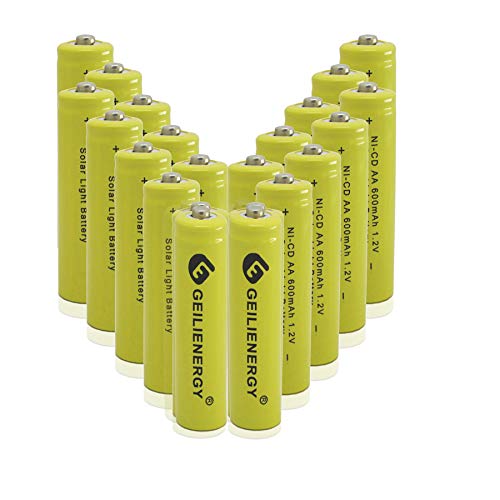
GEILIENERGY Solar Light AA Batteries 20 Pack
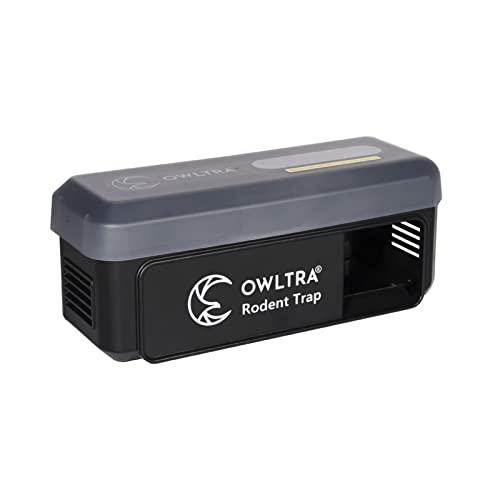
OWLTRA OW-7 Indoor and Outdoor Electric Rodent Trap
More On The Choices That Made The List
Energizer’s lithium AA cells suit a mouse used heavily through long workdays, gaming sessions, and busy study hours. Their 1.5-volt output matches common wireless-mouse requirements, while the eight-cell pack gives you several replacements without frequent shopping trips.
Unlike the rechargeable GEILIENERGY options later in the list, these cells arrive ready to use and demand no charger. For a high-drain mouse in a home office, that simple ownership pattern may carry more value than recharging convenience.
A Few Highlights
- Ready for immediate use in compatible AA devices
- Long runtime suits power-hungry wireless peripherals
- Leak-resistant construction supports safer storage
- Specified operating range covers -40°F to 140°F
Things To Consider
- Lithium cells are disposable and aren’t normally recharged
- Recycling or replacement costs add up with frequent mouse use
Key Specs
Made For
You benefit most from this pack when you use a high-drain wireless mouse daily and prefer dependable disposable power.
A Better Fit Elsewhere
GEILIENERGY 600mAh AA Rechargeable Batteries 8 Pack suits you better when you want to recharge cells used across mice, remotes, and compatible garden lights.
The LR44 format belongs in the roundup because a few compact pointing devices, along with watches and calculators, use this button cell rather than AA or AAA power. It is a specialized replacement, not a universal mouse battery, so checking the compartment matters before you order.
This six-pack makes sense for a household with several small devices that take the same cell. Child-resistant packaging adds useful handling protection, though keeping loose button cells away from children remains your responsibility.
Notable Gains
- LR44 size supports watches, calculators, and selected small electronics
- Six cells cover repeated replacements across compatible devices
- Mercury-free alkaline chemistry suits routine replacement use
Points To Note
- It won’t fit standard AA or AAA mouse compartments
- Button cells can leak if stored for long periods in unused equipment
- Misreading the device marking can lead to an unnecessary purchase
Right Fit For
You need this pack only when your device or mouse specifically requires an LR44 button cell.
Look Elsewhere When
Amazon Basics AAA Alkaline Batteries 20 Count fits you better for a standard remote, controller, flashlight, or mouse with an AAA compartment.
A large reserve of AAA alkaline cells makes sense for homes where remotes, toys, clocks, and wireless mice all use the same format. You get enough batteries to place several fresh sets around the house or keep a full drawer for routine replacements.
Compared with Energizer’s eight lithium AAs, this pack offers more units and broader household coverage, though you trade lithium’s long runtime for the convenience of a larger disposable assortment. The stated 10-year leak-free shelf life also makes stored emergency cells more practical, assuming proper handling and compatible equipment.
What Helps Most
- Twenty cells support several devices or repeated replacements
- Works with many remotes, controllers, toys, clocks, and mice
- Long shelf-life claim makes emergency storage practical
- Simple point-and-click disposal suits non-rechargeable setups
Small Caveats
- The AAA size is incompatible with AA-only devices
- Stored cells still need protection from heat, moisture, and physical damage
Quick Facts
Who It Suits Best
You benefit most from this pack when several household devices use AAA cells and you want one sizeable reserve.
Another Choice May Suit
Energizer Ultimate Lithium AA Batteries 8 Pack serves you better when your mouse uses AA cells and long lithium runtime matters more than pack count.
Nickel-metal hydride, or Ni-MH, cells can be recharged instead of discarded after use. That distinction matters across a yard filled with solar fixtures, although you should confirm that each light accepts rechargeable AA cells and exposes enough light to recharge them.
The 12-cell count suits someone maintaining several garden lights or mixing compatible solar devices with a rechargeable mouse. Unlike the lithium AA pack, Ni-MH cells operate at 1.2 volts and require a compatible charger or solar charging system.
A Strong Showing
- Twelve cells support larger lighting installations
- Rechargeable format reduces routine disposal
- Solar-light charging suits outdoor fixtures designed for Ni-MH cells
- 600mAh capacity provides a defined rechargeable power level
Practical Considerations
- Solar lights must be switched on so their panels can recharge the cells
- You need a compatible charger for use away from solar fixtures
- Some high-drain mice perform differently with 1.2-volt cells
Core Details
Built With In Mind
This pack fits you best when you maintain several rechargeable solar lights and already understand their charging requirements.
Swap It Out When
Energizer Ultimate Lithium AA Batteries 8 Pack suits you better for a disposable, high-drain mouse that doesn’t support Ni-MH cells.
This eight-cell set sits between the smaller rechargeable option and the 20-cell pack, making it easier to control inventory across a desk and a few outdoor fixtures. The stated uses include compatible mice, remotes, and garden lights, which gives you more flexibility than a single-device reserve.
Solar-light users should look closely at model compatibility because charging behavior varies by fixture. Owners commonly report that a fixture’s switch position matters, so keeping the light on during charging helps avoid cells that never receive enough energy.
The Case For It
- Eight rechargeable cells cover several moderate-use devices
- 600mAh capacity suits common AA applications
- Compatible use across remotes, mice, and solar lights adds flexibility
- Standard charging units work alongside solar charging
Where It May Fall Short
- A charger may be needed for mouse and remote use
- Charging performance can be weak in poorly exposed solar panels
- Older devices may not operate correctly with 1.2-volt cells
The Right Fit
You get the best fit when you use rechargeable AA devices in several rooms and occasionally recharge them through solar lights.
Where A Sibling Pick Shines
GEILIENERGY Ni-MH AA Rechargeable Batteries 12 Pack suits you better when your priority is maintaining a larger group of solar lights.
Twenty cells make this the largest rechargeable reserve in the group, which suits extensive outdoor lighting or a household running several rechargeable electronics. Its stated compatibility extends beyond solar fixtures to wireless mice, keyboards, controllers, and remote controls that accept AA Ni-MH cells.
For most yards, the count may be generous unless you already manage many fixtures. In return, you gain fewer battery runs and more spare capacity for rotating cells through devices, though each compatible device still needs access to a suitable charging method.
Features That Help
- Twenty cells cover large gardens and mixed electronics
- Rechargeable AA format reduces ongoing disposable-cell use
- Listed for solar garden and landscaping fixtures
- Also listed for wireless mice and standard AA remotes
Possible Compromises
- A separate charger may be necessary away from solar lights
- The 20-cell quantity can be more than a small household needs
- Solar charging remains dependent on panel exposure and fixture design
Feature Overview
Who Will Love This
You benefit most when many garden lights and household devices accept the same rechargeable AA format.
Reach For A Different Pick When
GEILIENERGY 600mAh AA Rechargeable Batteries 8 Pack gives you a more moderate reserve for fewer devices.
The OWLTRA OW-7 is not a battery for a computer mouse, so it serves a different meaning of “mouse”: a rodent. You may notice the mismatch immediately, and that is useful because it prevents an expensive category mistake; none of the preceding picks is an electric trap.
Within rodent control, its dual power arrangement accepts four D batteries or a USB connection, giving you flexibility around locations where a cable is inconvenient. The IPX4 rating, included cover, and sound-and-light alert form a more weather-conscious setup, but proper placement and local guidance still shape safe ownership.
Bright Spots
- Dual power options support battery or USB use
- IPX4 rating suits damp indoor or outdoor locations
- Included cover adds protection in suitable placements
- Audible and visible alerts help signal maintenance needs
Factors To Consider
- It does not power a wireless pointing device
- D batteries or USB power are additional ownership considerations
- Outdoor placement still requires attention to weather exposure and local rules
Essential Details
Best Suited To
You need this device only for indoor or outdoor rodent control, not for powering a computer mouse.
Skip It When
Energizer Ultimate Lithium AA Batteries 8 Pack suits you better when your goal is simply replacing AA cells in a compatible wireless mouse.
What Matters Most For Your Next Replacement
Match The Exact Cell Format
Start with the marking inside your mouse’s battery compartment. AA and AAA differ in length and diameter, while LR44 is a coin-shaped button cell. A visually similar shape does not confirm electrical compatibility, so compare the battery type, voltage, and polarity markings before purchasing.
Decide Between Disposable And Rechargeable
Lithium AA cells offer ready-to-use convenience and a 1.5-volt output, which many wireless mice expect. Ni-MH cells cost more to establish initially but can serve multiple compatible devices, although their 1.2-volt output and charging requirements narrow where they work. For occasional use, disposable cells reduce charger ownership; for frequent use, a compatible rechargeable setup may be more practical.
Consider The Device Before The Capacity
Capacity, measured in milliamp-hours or mAh, describes stored charge rather than guaranteed runtime. A high-capacity cell still needs a device that accepts its chemistry and voltage, and a mouse with poor standby management can drain any cell quickly. Check the manufacturer’s battery guidance instead of assuming the largest mAh number is always right.
Keep Storage Conditions Sensible
Store cells in their original packaging and away from moisture, extreme heat, and conductive objects. Remove depleted cells from equipment that will remain unused for long periods, and follow local battery recycling instructions. For solar-light charging, keep the fixture powered as directed so its panel can restore the cells.
Avoid The Two Common Battery Traps
Mistakes Worth Dodging
The first mistake is treating AA, AAA, and button cells as interchangeable because they all appear in mouse accessories. The second is buying rechargeable cells without checking voltage and device support. Match the format first, then confirm chemistry, polarity, and charging requirements before opening the package.
What The Higher Tier Buys
Higher-cost lithium or rechargeable options may buy you longer runtime, repeated charging, larger pack sizes, or narrower leakage resistance. Those benefits matter most for high-use mice or mixed household inventories. Basic alkaline packs remain sensible for occasional replacements and devices already designed around them.
Frequently Asked Questions
Can You Use AAA Batteries In An AA Mouse?
Usually not without an adapter, and the device may not support one. Match the exact cell size and voltage specified by your mouse manufacturer.
Can You Use Rechargeable Batteries In Any Wireless Mouse?
No. Your mouse must accept the rechargeable chemistry and voltage, so check its battery-compartment markings or documentation.
Are Lithium AA Batteries Rechargeable?
No, Energizer Ultimate Lithium AA cells are disposable. They provide ready-to-use power but require replacement after depletion.
Which Battery Is Best For A Gaming Mouse?
Battery demand varies by model and wireless mode. Match the required size first, then compare runtime and your preference between disposable lithium and compatible rechargeable cells.
How Should You Store Spare Batteries?
Keep them in their original packaging, away from heat, moisture, and conductive objects. Follow local recycling rules for depleted cells.
Final Thoughts
For a standard wireless mouse, start with the compartment’s required size and voltage, then choose between disposable lithium and reusable Ni-MH cells based on usage frequency. Energizer leads for heavy AA users, Amazon Basics covers larger AAA reserves, and GEILIENERGY fits rechargeable setups. The OWLTRA device is a rodent trap, not a replacement cell.
