


Choosing the wrong battery or charger for an EZGO cart can leave you stranded, but matching voltage, connector type, and charging chemistry keeps daily driving predictable. This roundup covers complete lithium battery packs, replacement chargers, and charging-port hardware for RXV and TXT models, with special attention to real-world compatibility. The right choice depends less on headline power than on your cart’s voltage, existing battery connections, and charging setup.
The Essentials At A Glance

VATRER POWER 38.4V 105Ah LiFePO4 Battery 200A BMS

KAISAL 48V 18A 1250W EZGO RXV TXT Battery Charger

ELEFAST 105Ah 48V Lithium Golf Cart Battery Kit 200A BMS Bluetooth
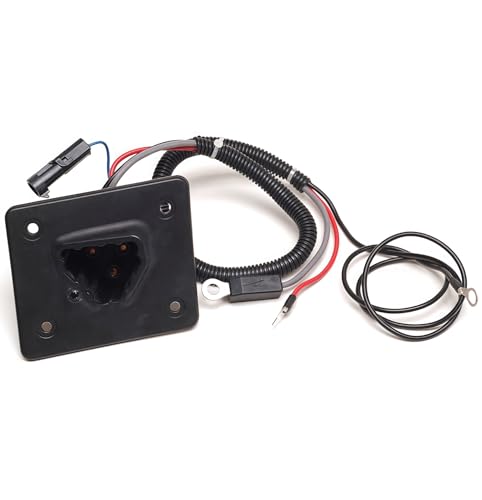
Dr.Acces 48V Delta Q EZGO RXV Receptacle and Plug

KAISAL 36V 20A 1250W EZGO TXT Battery Charger

120V Waterproof Golf Cart Charging Port Plate
KAISAL 48V 18A Smart 1250W Club Car Battery Charger
More Details On Our Top Picks
A 38.4V lithium-iron-phosphate pack offers a substantial capacity option for carts that carry passengers, climb neighborhood grades, or spend the day on a course. Its 105Ah rating suggests extended range potential, though actual driving distance depends on cart weight, terrain, speed, and tire pressure.
The built-in 200A BMS, or battery management system, monitors cell conditions and helps regulate discharge, which matters during acceleration or on steeper paths. Compared with the 48V ELEFAST kit, this model targets a 38.4V nominal setup and may fit carts using six lead-acid batteries, subject to connector and voltage verification.
Real-World Strengths
- The 105Ah capacity favors long courses and heavier passenger loads.
- LiFePO4 chemistry generally retains usable capacity more effectively than typical lead-acid batteries.
- A 200A continuous discharge rating supports power-hungry driving scenarios.
- The 400A peak rating gives transient headroom during starts and steep climbs.
- The compact 4.03kWh energy package consolidates multiple battery units into one pack.
Points To Consider
- Your cart’s charger must be appropriate for lithium chemistry and the final pack voltage.
- Terminal layout, physical clearance, and cable reach need checking before installation.
Key Product Details
Built With In Mind
This pack best serves golfers and neighborhood drivers with compatible 38.4V carts who prioritize usable capacity and stronger sustained output.
A Better Fit Elsewhere
Choose the ELEFAST 105Ah 48V Lithium Golf Cart Battery Kit instead for a native 48V installation that includes Bluetooth monitoring.
For a 48V RXV or TXT cart still using lead-acid batteries, this KAISAL charger supplies a more substantial charging current than a small 5A or 10A unit. The 18A output is designed to reduce the hours spent waiting after a full day of turns, hills, and local cruising.
A five-stage process adjusts current as the batteries fill, with reduced output near full charge to limit excess charging. The IP67 enclosure protects against dust and water exposure during garage or outdoor use, while the 16-foot cable adds reach around parked carts. Connector compatibility still deserves close inspection.
Practical Advantages
- 18A output shortens charging time compared with lower-current chargers.
- The stage-controlled process reduces current as the pack approaches full charge.
- IP67 protection suits garages, carports, and exposed charging areas.
- A 16-foot cable improves reach between a wall outlet and parked cart.
Trade-Offs To Consider
- The stated 4-6 hour charging window depends on battery size and its starting charge level.
- Higher current can stress an undersized or deteriorated electrical connection.
- This charger is specified for lead-acid packs, not an automatic lithium conversion.
Quick Technical Notes
Who It Suits Best
This charger fits EZGO owners with a 48V lead-acid RXV or TXT cart and a suitable charging receptacle.
Consider Something Else When
The KAISAL 36V 20A EZGO TXT Battery Charger is a closer fit for a 36V TXT powered by six 6V lead-acid batteries.
The ELEFAST kit combines 48V lithium chemistry with phone-based monitoring, making it appealing for carts stored at home or a golf course where checking state of charge through an app is more convenient than handling individual batteries. Its 105Ah capacity supports long operating days in properly matched equipment.
Bluetooth is a monitoring feature rather than a substitute for compatible charger settings. The 200A BMS provides cell-level control during demanding climbs and acceleration, while the listed 5.37kWh capacity gives useful context for installed energy. This is a 48V alternative to the 38.4V VATRER pack.
Where It Helps
- Bluetooth lets you monitor battery information through a compatible phone setup.
- The 105Ah capacity reduces dependence on frequent mid-course charging stops.
- A 200A discharge rating suits passenger loads and steeper courses.
- The single-pack format simplifies battery organization compared with six separate lead-acid units.
Worth Bearing In Mind
- A lithium conversion requires compatible wiring, charger behavior, and adequate terminal clearance.
- Owners commonly need to recheck cable length after the lead-acid pack is removed.
- App visibility depends on Bluetooth range and the supported mobile connection.
Feature Snapshot
Made For
Connected-cart owners with 48V equipment and a planned lithium conversion benefit most from its capacity and monitoring.
Skip It When
Choose the 48V KAISAL EZGO RXV TXT Battery Charger for lead-acid carts that need charging hardware rather than a complete battery conversion.
A worn charging receptacle can interrupt an otherwise serviceable charging system, and this Dr.Acces part targets the 48V Delta Q connection used on many EZGO RXV carts. It is a repair component rather than a battery or standalone charger, which keeps its role narrow and clear.
The female, three-prong receptacle accepts the charger connection, and the assembly is listed for 2008-and-newer 48V RXV models plus the 2Five introduced from 2010. Confirm the cart’s connector shape and surrounding bodywork before removal, especially on carts that have already been modified.
Positive Points
- Targets a specific Delta Q receptacle rather than forcing a universal fit.
- Supports common 48V RXV and 2Five charging configurations.
- The complete receptacle-and-plug assembly simplifies a one-piece replacement.
Minor Gripes
- It does nothing for a damaged charger cable, wall plug, or battery pack.
- Owners should compare the existing three-prong geometry and part markings before ordering.
- Older or heavily modified carts may require a different connector arrangement.
Who Will Love This
RXV owners with a matching 48V Delta Q port can repair a cracked or damaged receptacle without replacing the complete battery system.
Another Choice May Suit
The AUDTGGBDR 120V Waterproof Golf Cart Charging Port Plate serves carts needing a covered AC outlet rather than this Delta Q charging receptacle.
Older TXT systems commonly use a 36V lead-acid pack made from six 6V batteries, and this charger is built around that arrangement. Its 20A output provides a practical balance between faster replenishment and the need to preserve battery and wiring condition over repeated cycles.
The Powerwise-style D-plug connection is tailored to listed EZGO TXT setups, while the IP67 case handles dusty clubhouse garages and occasional damp conditions. The listed charging window is four to six hours, although battery age and starting charge can materially change that result.
The Value In It
- The 20A output suits routine overnight replenishment for many 36V lead-acid packs.
- A 1250W supply supports charging without relying on a low-current trickle unit.
- The D-style plug targets the specified EZGO TXT connection.
- Wide AC input compatibility adds flexibility across household supply conditions.
Practical Considerations
- A 36V charger cannot serve a nominal 48V cart.
- The stated efficiency reaches 94% under applicable operating conditions.
- Inspect the receptacle and cable regularly because moisture around an outdoor plug accelerates wear.
Technical Highlights
Best Suited To
This charger fits TXT owners whose carts retain six lead-acid batteries and use the specified Powerwise D-style connection.
Where Another Pick Shines
The KAISAL 48V 18A EZGO RXV TXT Battery Charger is the stronger match for 48V lead-acid RXV and TXT carts.
This plate serves a different purpose from the Delta Q receptacle: it creates a covered 120V AC connection point for outdoor or garage charging. That makes it useful for carts stored near a curb, shed, or open parking space where an unprotected wall receptacle would be inconvenient.
Its female connection accepts several standard NEMA plug configurations, including household and heavier-duty 15A or 20A connectors. Mounting hardware and a weather-tight cover support a cleaner installation, although the opening, wiring, and cart body still need to match your charging arrangement.
A Favorable Mix
- Accepts multiple common plug styles for easier charger selection.
- The protective cover helps limit moisture and debris entry.
- Included mounting hardware supports a more complete installation.
- A dedicated external outlet keeps cords away from doors and work areas.
Things To Consider
- This is an AC outlet plate, not a battery charger or DC receptacle.
- Installation depends on panel dimensions, wiring access, and the cart’s body layout.
- Owners commonly need to reseat the cover after repeated plug insertions.
The Right Fit
Carts stored outdoors with a compatible 120V charger benefit from the cover and broad plug acceptance.
Look Elsewhere When
Owners replacing a vehicle-side Delta Q charging inlet should choose the Dr.Acces 48V Delta Q EZGO RXV Receptacle and Plug instead.
This charger belongs in the roundup as a compatibility checkpoint, not as a standard EZGO replacement. Its listed platform is Club Car, so EZGO owners should not assume that a shared 48V nominal voltage guarantees connector or charging-profile compatibility.
For a compatible 48V Club Car lead-acid system, the 18A output and 1250W capacity offer a practical daily replenishment rate. A five-stage process lowers output near full charge, while the listed 94% efficiency reflects how much input energy reaches the charging process under applicable conditions.
Everyday Perks
- The 18A output reduces idle time during routine course use.
- Stage-based current control tapers charging near capacity.
- The 1250W rating supports higher current than low-output maintenance chargers.
Less Ideal Details
- The Club Car connection makes it a poor default choice for EZGO carts.
- Charge timing varies with battery capacity, condition, and starting state.
- Corroded terminals or undersized wiring can limit charging performance.
Who Should Grab It
This unit belongs with owners of compatible 48V Club Car lead-acid carts who need a higher-output charger.
Reach For A Different Pick When
The KAISAL 48V 18A EZGO RXV TXT Battery Charger is the direct choice for compatible 48V EZGO lead-acid systems.
Match Your EZGO’s Voltage, Chemistry, and Charging Style
Cart voltage establishes the electrical baseline. Many TXT models use 36V, while numerous RXV systems run at 48V, but model year and modifications can create exceptions. Record the battery label voltage before buying anything, then match the charger output and connector to that configuration.
Battery chemistry determines the charging approach. Lead-acid packs use one charging profile, while lithium conversions require a charger compatible with lithium chemistry and the BMS. A connector that physically fits does not automatically mean the charging profile is appropriate.
Capacity And Discharge Fit
Capacity influences potential driving range, while the BMS discharge rating governs how much current the pack can manage during acceleration and climbing. A 105Ah pack can suit long routes, but cart weight, hills, passenger loads, tire condition, and driving speed make real-world range vary.
Installation Details
Measure the battery compartment before selecting a large pack, especially in carts with modified floors. Check terminal position, cable reach, bracket clearance, and charger placement so the completed installation remains secure and serviceable.
Connector And Port Type
Your cart’s DC charging inlet is separate from a 120V AC outlet plate. A Delta Q-style receptacle serves a specific charger connection, while a covered AC plate provides a general-purpose outlet. Identify the existing socket before ordering either component.
Smart Features And Monitoring
Bluetooth adds visibility into battery status through a supported phone connection, but it does not remove the need for correct voltage and charger settings. The BLEFAST kit offers the most useful monitoring feature here, while the other picks focus on storage, charging, or physical connections.
Avoid These EZGO Charging Mistakes
Mistakes Worth Dodging
Do not choose by wattage alone. Voltage, chemistry, plug shape, and charging behavior must all align with your EZGO model. A 36V charger on a 48V pack creates an unsafe mismatch, while a physical connector fit cannot correct the wrong voltage.
Inspect The Full Charging Path
Check the receptacle, charger plug, cable, terminals, and battery condition before replacing one component. Corrosion or heat damage near a connection can undermine even a capable charger, so clean and inspect the complete path during routine maintenance.
What The Higher Tier Buys
Premium battery packs typically add capacity, stronger battery management, and monitoring rather than simply more wattage. Those additions can suit long routes, heavy passenger use, and owners who want clearer operating information, but they only pay off with correct installation and a compatible charger.
Charger Output And Protection
Higher-output chargers can shorten replenishment time, while five-stage control adjusts current through the charging cycle. That helps when a cart sits overnight between courses, although a lower-current charger may be more appropriate for aging batteries or limited wiring systems.
Frequently Asked Questions
What voltage do EZGO golf cart batteries use?
Many EZGO carts use 36V or 48V systems, depending on model and configuration. Read the voltage printed on the existing battery pack and confirm the cart model before ordering a charger or replacement battery.
Can I use a lithium battery in an EZGO golf cart?
A conversion can be practical when the voltage, BMS, charger, cables, and physical space all match. A lead-acid charger may not provide the correct charging behavior for a lithium pack, so the complete electrical system needs review first.
Which charger fits an EZGO TXT cart?
Both 36V and 48V TXT configurations exist, so the battery label controls the choice. The listed D-plug model suits a specified 36V lead-acid setup, while the 48V RXV and TXT charger requires the correct receptacle.
Does the Dr.Acces part include a charger?
No. It is a vehicle-side receptacle and plug assembly for a 48V Delta Q connection. You still need a compatible charger and sound wiring to operate the charging system.
Can I replace one lead-acid battery with lithium?
A single lithium unit cannot simply replace one 6V lead-acid battery inside a series pack. The full battery configuration must produce the cart’s required voltage, so complete matched packs are the safer conversion approach.
Final Verdict
Start with voltage and connector shape, then decide whether you need a battery, charger, charging receptacle, or AC outlet plate. VATRER and ELEFAST suit compatible lithium conversions, the two EZGO KAISAL chargers cover distinct 36V and 48V lead-acid setups, and Dr.Acces targets a specific Delta Q inlet. Match the component to the cart first; raw capacity or charging output matters little when the electrical system does not align.
