


Lithium AA batteries suit everything from game controllers and smart locks to flashlights and trolling motors, but the right choice depends on voltage, rechargeability, capacity, and operating temperature. You need dependable power for frequent device use without paying for unnecessary pack sizes or incompatible charging equipment. This comparison covers rechargeable household models, primary lithium cells, and a larger marine battery built for a very different job.
A Fast Comparison Of The Options
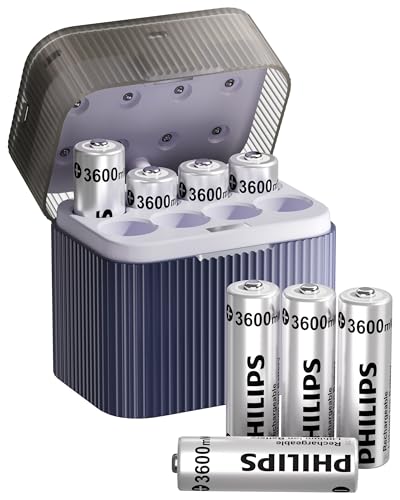
PHILIPS Rechargeable AA Lithium Batteries 8 Pack, 1.5V 3600mWh

BEVIGOR AA Lithium Batteries for Blink Camera, 12 Pack, 1.5V

BEVIGOR AA Lithium Batteries 12Pack Ultra, 3500mAh 1.5V

BEVIGOR Lithium AA Batteries, 3000mAh 1.5V, 4 Pack
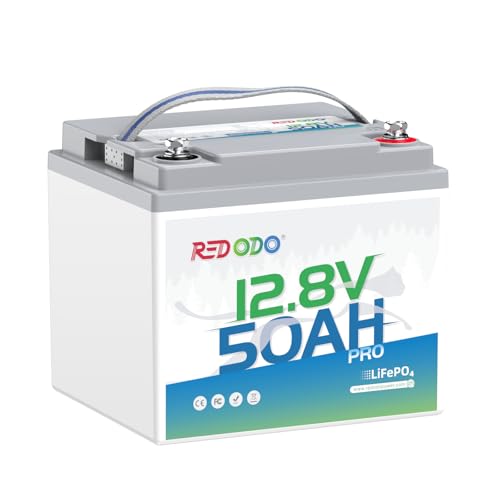
Redodo 12V 50Ah Trolling Motor LiFePO4 Battery

BEVIGOR AA Lithium Batteries 16Pack Ultra, 3500mAh 1.5V
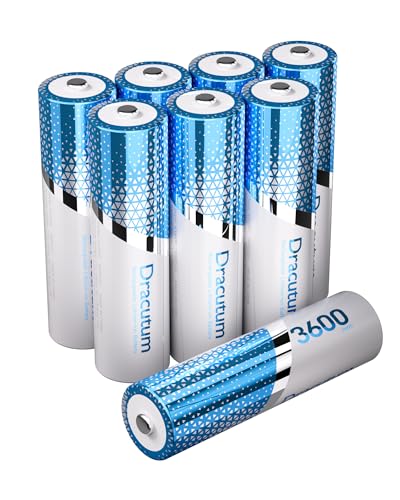
Dracutum 8 Pack 1.5V Rechargeable AA Batteries
The Strengths Of Each Pick
Constant 1.5-volt output makes this rechargeable model relevant to electronics that expect AA power rather than the lower voltage typical of older rechargeable cells. It suits game controllers, remote controls, and mixed household devices that see frequent use, especially compared with primary batteries replaced on a routine schedule.
The stated 3600mWh capacity and 1,200-cycle life create a practical ownership case for reducing replacement frequency. You still need a compatible 1.5-volt lithium charger, and device compatibility deserves confirmation before a large purchase.
What Makes Sense
- Stable 1.5V output suits devices designed around primary lithium AA cells.
- 3600mWh capacity supports demanding controllers and household electronics.
- Rechargeability suits daily users tired of replacing loose cells.
- An eight-cell pack covers several devices without excessive bulk.
Points To Note
- A 1.5V lithium charger is needed, so your existing NiMH charger may not work.
- Runtime varies with device draw, temperature, and battery age.
Quick Facts
Who Will Love This
Frequent game-controller users and households managing several 1.5V electronics benefit most from the rechargeable format.
Another Choice May Suit
Shoppers seeking a primary lithium reserve for Blink cameras should compare BEVIGOR AA Lithium Batteries for Blink Camera, 12 Pack, 1.5V.
A twelve-cell reserve fits security setups where replacing camera batteries one at a time can be inconvenient. Constant 1.5-volt output aligns with the lithium AA format used by Blink devices, while the pack size gives you several replacement cycles within reach.
Unlike the rechargeable PHILIPS option, this pack is framed around primary-cell convenience rather than repeated charging. The stated twenty-year shelf life also makes it reasonable for emergency storage, subject to proper storage conditions.
Everyday Wins
- Twelve cells provide a useful reserve for multi-camera homes.
- A listed 15-gram weight suits ordinary portable electronics.
- Three-layer construction includes short-circuit and leak controls.
- The twenty-year shelf-life claim supports long-term emergency storage.
Small Caveats
- Single-use cells create recurring replacement needs in active camera setups.
- Storage temperature still matters for long shelf-life performance.
Made For
Blink camera households that value simple storage and a twelve-cell reserve will find this format easy to manage.
Where Another Pick Shines
Users replacing batteries across controllers and remotes may prefer PHILIPS Rechargeable AA Lithium Batteries 8 Pack, 1.5V 3600mWh.
Security hardware creates a clearer use case for a higher-capacity primary lithium cell than a casual remote control does. This pack targets Blink cameras, smart-lock deadbolts, alarm systems, and digital cameras, where sustained output can reduce the inconvenience of premature changes.
The source claims 30% longer service than standard lithium AA batteries and describes a three-layer winding approach for leak control. You should treat those as manufacturer specifications, while actual camera runtime remains tied to model, activity level, temperature, and transmission strength.
Positive Points
- 3500mAh capacity targets devices with meaningful continuous draw.
- Primary lithium chemistry removes charging from the ownership routine.
- Twelve cells suit several connected-home devices.
- Leak-resistant winding supports unattended security equipment.
Practical Considerations
- These cells are non-rechargeable, so spent batteries still require disposal.
- High-drain claims may not translate equally across every device.
Feature Snapshot
Right Fit For
Connected homes running multiple cameras, locks, or alarm components represent the strongest fit.
Consider Something Else When
You need broad-temperature AA cells for outdoor tools and prefer a smaller pack, making BEVIGOR Lithium AA Batteries, 3000mAh 1.5V, 4 Pack the more practical choice.
Temperature range is the detail that separates this smaller four-pack from the security-focused BEVIGOR options. A stated operating range of -40°F to 140°F suits flashlights, radios, remote controls, solar lights, and outdoor toys exposed to changing seasonal conditions.
The 3000mAh cells remain non-rechargeable, which keeps handling straightforward for occasional users. Leak-resistant construction helps protect devices during normal use, although damaged or improperly stored cells remain a practical concern.
What Stands Out
- The broad temperature range supports indoor and outdoor equipment.
- 3000mAh capacity suits both low- and high-drain AA devices.
- A four-cell pack remains easy to store in a drawer or vehicle kit.
- Sealing and short-circuit controls reduce leakage concerns.
Worth Noting
- The four-pack offers less reserve than the 12- and 16-cell options.
- Primary cells cannot be restored through a charger.
- Very cold conditions can still temporarily reduce device performance.
Built With In Mind
Campers, emergency-kit maintainers, and households needing dependable AA power across wide temperatures are the central audience.
Look Elsewhere When
Multi-camera households benefit more from BEVIGOR AA Lithium Batteries 16Pack Ultra, 3500mAh 1.5V because of its larger replacement reserve.
This is the major departure from the AA format: a 12-volt lithium iron phosphate battery designed for trolling motors, marine equipment, and RVs. LiFePO4 chemistry differs from conventional lithium-ion chemistry, and the listed 50Ah capacity supports a much larger power requirement than cameras or handheld controls.
At 11.6 pounds, it is presented as easier to transport than comparable lead-acid systems while providing 100% usable capacity. You still need compatible marine wiring, a charger suited to LiFePO4 chemistry, and adequate mounting and circuit protection.
Real-World Strengths
- Low listed weight eases carrying between portable marine applications.
- 50Ah capacity suits trolling motors and RV electrical demands.
- The stated 4,000-cycle rating supports frequent deep discharge.
- A ten-year service-life specification reduces long-term replacement planning.
Potential Compromises
- It cannot substitute for AA cells in household electronics.
- Charging equipment must support 12V LiFePO4 chemistry.
- Marine installation requires weather-conscious placement and secure mounting.
Technical Highlights
Whose Shelf It Belongs On
Boat owners, RV travelers, and anglers who move substantial power between locations will find this format relevant.
Skip It When
You only need AA cells for a camera or remote, since PHILIPS Rechargeable AA Lithium Batteries 8 Pack, 1.5V 3600mWh is the more direct fit.
The 16-cell format extends the security-device focus of BEVIGOR AA Lithium Batteries 12Pack Ultra without changing its 3500mAh capacity and 1.5-volt output. It suits homes with several Blink cameras, smart locks, alarms, or digital cameras that consume batteries regularly.
For a larger connected-home setup, fewer replacement trips can outweigh the extra storage space. Because these are primary lithium cells, you gain shelf convenience rather than the repeated-use economics associated with the rechargeable models in this roundup.
Useful Touches
- Sixteen cells cover several connected-home devices at once.
- 3500mAh output targets security equipment with steady demand.
- The 1.5V format supports compatible locks, alarms, and cameras.
- Primary chemistry keeps charging out of the maintenance routine.
A Few Limitations
- Spent cells cannot be recharged.
- The larger pack takes more drawer or cabinet space.
- Device runtime varies with activity and environmental conditions.
Best Suited To
Multi-camera households and busy smart-lock users gain the most from a deeper replacement reserve.
Reach For A Different Pick When
Outdoor users who value broad stated temperatures in a compact package may prefer BEVIGOR Lithium AA Batteries, 3000mAh 1.5V, 4 Pack.
This rechargeable eight-pack competes directly with PHILIPS Rechargeable AA Lithium Batteries 8 Pack, 1.5V 3600mWh by using the same nominal voltage and stated energy capacity. Its listed 2,000-plus charge cycles could suit mixed-device households seeking a longer reuse horizon.
Charger compatibility is the decisive detail. These cells require a charger designed for 1.5-volt lithium batteries; a common 1.2-volt NiMH charger is not suitable, so your charging setup should be settled before purchase.
What Pays Off
- 3600mWh capacity matches the leading rechargeable format here.
- More than 2,000 stated charge cycles favor intensive use.
- Constant 1.5V output suits compatible household electronics.
- Eight cells cover several frequently used devices.
Things To Weigh Up
- A dedicated 1.5V lithium charger adds to the ownership requirements.
- Compatibility should be checked device by device before regular charging.
- Cell performance may vary as the recharge count increases.
Essential Details
The Right Fit
Households already equipped with a 1.5V lithium charger benefit most from this rechargeable approach.
A Better Fit Elsewhere
Users preparing an emergency battery reserve without charging equipment may favor BEVIGOR AA Lithium Batteries for Blink Camera, 12 Pack, 1.5V.
Choosing Lithium AA Power With Confidence
Confirm Battery Chemistry
Rechargeable and non-rechargeable AA cells can share a physical size while demanding different chargers and handling routines. Start with your device manual, then match its accepted chemistry, voltage, and replacement schedule. A cell that looks identical in a drawer can create charging or runtime problems when the chemistry is wrong.
Match Capacity To Demand
Capacity indicates stored energy, while higher consumption reduces runtime faster. Security cameras, smart locks, and digital cameras may draw consistently enough to justify a 3500mAh cell, whereas low-drain remotes may need less. Match the pack to actual device demand rather than assuming the largest number is always necessary.
Consider Pack Size And Storage
Small four-packs are easier to distribute across a household, while twelve- and sixteen-cell packs reduce replacement trips for connected devices. Store primary lithium batteries in a cool, dry place and avoid exposing loose cells to extreme heat or damaged contacts. For marine equipment, secure the larger battery properly and keep its chemistry in mind during installation.
Treat Temperature As A Use Case
The BEVIGOR four-pack lists a -40°F to 140°F operating range, making it more relevant for outdoor flashlights, radios, and tools. Indoor controllers and cameras rarely face that range, so their priorities shift toward capacity, pack quantity, and recharge strategy. Verify device temperature limits before leaving batteries outdoors or inside a vehicle for extended periods.
Common Decisions To Get Right
Mistakes Worth Dodging
A common mistake is treating every 1.5V AA battery as interchangeable with charging equipment. Rechargeable lithium cells need a compatible 1.5V lithium charger, while primary lithium cells should not enter that charger at all. Check the labels on both the device and batteries before building a charging routine.
What The Upgrade Payoff Means
Higher-capacity cells and longer recharge specifications can reduce replacement frequency in demanding electronics. Those benefits matter most for frequent camera, lock, or controller use; a low-drain remote may not justify added capacity. Larger packs also consume more storage, so count active devices before paying for cells you will not use promptly.
Frequently Asked Questions
Are All 1.5V AA Batteries Rechargeable?
No, lithium AA cells may be rechargeable or primary batteries. Check the labeling and device instructions before placing them in a charger.
Can You Use A NiMH Charger For 1.5V Lithium Batteries?
No, the charging profiles and voltage requirements differ. Use a charger specifically designed for 1.5V lithium AA batteries.
Do Higher-Capacity AA Batteries Last Longer?
They can provide more energy to demanding devices, although runtime still depends on current draw, temperature, battery age, and device settings. Low-drain devices may see little practical difference.
Should Rechargeable Or Primary AA Batteries Be Stored Long Term?
Store batteries in a cool, dry location and follow the manufacturer’s storage guidance. Rechargeable cells benefit from periodic charge maintenance, while primary cells should remain protected from heat and moisture.
Are Lithium AA Batteries Suitable For Outdoor Flashlights?
They can be, provided the device accepts AA lithium cells and the temperature remains within its operating limits. The BEVIGOR four-pack specifically lists a broad operating range.
The Takeaway
The strongest AA match depends on your device mix rather than a single capacity number. Rechargeable cells suit frequent-use households with suitable charging equipment, primary lithium packs serve connected devices and long storage periods, and the Redodo battery belongs in an entirely different marine power category. Match voltage, chemistry, capacity, and pack size to the equipment you actually use.
