


Wireless microphones place a different kind of demand on AA batteries than a TV remote or flashlight. Continuous transmission draws steady current, while cold outdoor stages and long production days can expose weak cells sooner; you need the correct size, suitable chemistry, and enough capacity to finish a rehearsal, interview, or service without interruptions. BeVIGOR disposable lithium cells suit gear that takes 1.5V AA batteries, while rechargeable choices require compatible equipment and the correct charger. A compact four-pack of PHILIPS AAA rechargeable batteries can serve wireless microphones built around AAA cells, but it won’t fit an AA compartment.
How The Shortlist Stacks Up
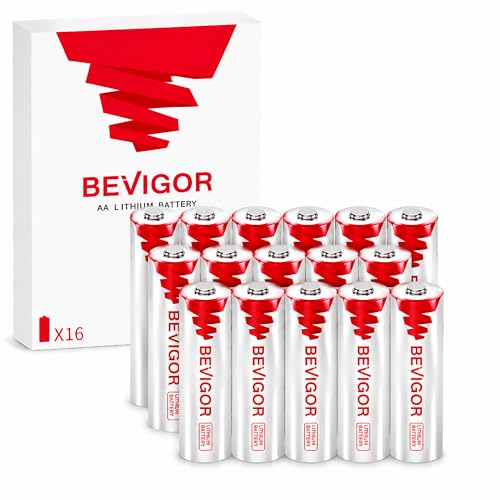
BEVIGOR 1.5V Lithium AA Batteries, 16 Pack

BEVIGOR 1.5V Lithium AA Batteries, 24 Pack

BEVIGOR 1.5V Lithium AA Batteries, 8 Pack

Ansmann AA 2850mAh Slimline

PHILIPS Rechargeable AAA Batteries, 1.5V 8 Pack

Kratax 1.5V Rechargeable AA Batteries, 4 Pack
Dracutum Rechargeable Lithium AA Batteries, 4 Pack
A Deeper Look At The Lineup
A 16-cell reserve makes practical sense for a wedding kit, small production bag, or a microphone box shared across several transmitters. These are disposable 1.5V lithium AA batteries, so they avoid charger compatibility questions while offering a useful combination of capacity and low self-discharge.
Compared with the rechargeable Ansmann option later in the lineup, the tradeoff is simple: you replace cells rather than recharge them. For occasional location work, that can be the cleaner ownership choice, although very high transmission loads may expose the end of their useful life sooner.
Points In Its Favor
- Sixteen cells cover multiple microphones without constant restocking.
- The claimed shelf life of up to 20 years supports long-term kit storage.
- Less than 1% annual self-discharge helps cells retain charge while unused.
- 1.5V lithium chemistry suits many electronics designed for alkaline AA cells.
Things To Consider
- Disposable cells add replacement expense for regularly used transmitters.
- Confirm that your microphone accepts 1.5V lithium AA cells before mixing battery types.
- Store unused cells away from moisture and physical damage, particularly in humid field cases.
Key Specs
Made For
Occasional performers and location audio teams who prefer dependable disposable power over charger setup.
Another Choice May Suit
Kratax 1.5V Rechargeable AA Batteries suit frequent transmitters where the required dedicated charger is already available.
Twenty-four cells shift the emphasis from portability to inventory. That matters for touring musicians, church production teams, or anyone running several wireless systems through a long season of events without wanting to track every cell closely.
This BEVIGOR pack shares the nominal 1.5V output and long storage characteristics of the 16-pack, but the larger quantity provides more headroom. You still own a disposable system, so the savings in setup time come at the cost of gradually replacing the whole reserve.
Everyday Wins
- Twenty-four cells suit multi-transmitter and spare-heavy production kits.
- The pack reduces restocking visits during sustained event schedules.
- Low annual self-discharge supports batteries kept in standby cases.
- Disposable installation suits crews without compatible charging equipment.
Practical Considerations
- Twenty-four cells create more unused inventory for occasional users.
- Lithium AA cells are not rechargeable, even though their chemistry contains lithium.
- Your microphone manual should confirm compatibility before use.
Right Fit For
Touring and production teams that value a generous disposable reserve across multiple wireless microphones.
Look Elsewhere When
BEVIGOR 1.5V Lithium AA Batteries, 8 Pack offer a lighter option for stereo and field kits that don’t need a deep spare supply.
Eight cells strike a useful middle ground for a two-transmitter stereo setup with several spare sets. They remain easier to divide between a stage bag and a road case than the 24-pack, while offering more reserve than a single microphone’s minimum requirement.
The stated capacity is nearly 15% above standard lithium AA cells, which may be noticeable in demanding transmitters. That is a specification-based advantage rather than a universal runtime claim, because radio output, battery age, and temperature can have a large effect on service time.
The Case For It
- Higher stated capacity favors continuously transmitting wireless equipment.
- Eight cells balance reserve weight and storage volume.
- Up to 20 years of shelf life supports infrequent use.
- Nominal 1.5V output matches many standard AA microphone compartments.
Honest Caveats
- Disposable cells remain a recurring cost for frequent performers.
- Runtime can vary with transmit settings, temperature, and transmitter design.
- Owners mixing chemistries may need separate storage to keep replacements organized.
Feature Snapshot
Who Will Love This
Field recordists and small ensembles needing a compact, disposable AA reserve for wireless microphones.
Reach For A Different Pick When
BEVIGOR 1.5V Lithium AA Batteries, 24 Pack suit production teams that rotate through larger batches throughout a season.
Standard NiMH chemistry makes this a different proposition from the 1.5V lithium cells earlier in the lineup. Rechargeable NiMH AA batteries deliver about 1.2V when charged, so a wireless microphone must explicitly support them to prevent low-voltage shutdowns or erratic behavior.
The slimline format and 2850mAh rating target equipment with substantial energy demand, including flash gear and digital cameras. For a compatible microphone system used several times each week, having four cells ready after charging can outweigh the convenience of disposable lithium cells.
A Strong Showing
- 2850mAh provides useful capacity for compatible high-demand electronics.
- Rechargeable chemistry lowers the need for replacement cells over repeated sessions.
- The slimline profile suits AA compartments designed around narrower cells.
Small Caveats
- Charged voltage is typically lower than disposable alkaline or 1.5V lithium cells.
- Your transmitter must identify rechargeable AA compatibility on its manual or labeling.
- You need a separate compatible NiMH charger and should follow its charging guidance.
Technical Highlights
Built With In Mind
Professionals and frequent users who already manage compatible NiMH charging equipment for high-drain electronics.
Swap It Out When
Kratax 1.5V Rechargeable AA Batteries suit 1.5V lithium setups that can use the required dedicated charger.
Size comes before chemistry here: these are AAA cells, not AA cells. They’re relevant only to wireless microphones with a matching AAA compartment, so measure the bay and check the transmitter manual before considering this set.
For compatible AAA gear, the eight-position Type-C charging station adds a clear convenience advantage. Each listed cell provides 1300mWh at a nominal 1.5V, and the stated 1200-cycle service life gives you a reusable option for controllers, remotes, and compatible household electronics.
Where It Delivers
- Eight independent charging slots streamline a mixed battery kit.
- Nominal 1.5V output resembles disposable AAA cell voltage.
- Rechargeable cells suit AAA microphones used in regular sessions.
- The broad set also serves compatible controllers and remote controls.
Where It May Fall Short
- AAA dimensions prevent use in AA-powered wireless microphones.
- Some older transmitters may lack rechargeable AAA compatibility.
- Charge the set through its specified station rather than an unrelated battery charger.
Best Suited To
Microphone operators with AAA-based transmitters who value a dedicated multi-slot rechargeable station.
Not Your Match When
Dracutum Rechargeable Lithium AA Batteries fit a very different need: compatible 1.5V rechargeable cells in standard AA microphone compartments.
This set targets the gap between ordinary NiMH rechargeable batteries and disposable 1.5V lithium cells. Its constant 1.5V lithium-ion output can suit compatible 1.5V AA microphones, while the 3500mWh energy rating and 3A output target demanding electronics.
The catch sits in the charging step. A specialized charger for this battery type is required, and the set arrives precharged, so you should not substitute a universal NiMH charger or a charger designed for bare 3.7V lithium-ion cells.
Bright Spots
- Constant 1.5V output supports compatible 1.5V AA device designs.
- 3500mWh provides a high stated energy reserve.
- The 3A output rating suits power-hungry equipment.
- Rechargeability replaces recurring disposable-cell purchases after proper setup.
Things That May Matter
- No charger is included, so the required charging equipment adds a separate cost.
- Compatibility is narrower than with standard NiMH rechargeable AA cells.
- Four cells provide limited rotation for a large microphone rig.
Core Details
The Right Fit
Frequent users of compatible 1.5V AA microphones who can access the required dedicated charger.
Where Another Pick Suits Better
Ansmann AA 2850mAh Slimline cells fit users whose equipment already supports conventional rechargeable NiMH AA batteries.
Dracutum’s 3600mWh rating leads the stated AA rechargeable capacity figures in this group, and constant 1.5V output targets modern wireless microphone compartments that accept rechargeable lithium cells. The 3A current rating is intended for electronics with heavier bursts of demand.
Like the Kratax set, chemistry compatibility matters more than the AA label. Your microphone documentation should permit 1.5V lithium-ion AA cells, and charging equipment must support this battery design. Treat those checks as part of the purchase, not a final detail after opening the package.
Positive Points
- 3600mWh offers the highest stated energy capacity here.
- Constant 1.5V output aligns with many disposable AA devices.
- A 3A rating supports high-demand compatible equipment.
- The stated 2000 cycles support a long-term rechargeable workflow.
Details To Watch
- The microphone must support 1.5V rechargeable lithium AA chemistry.
- Confirm the correct charging method before placing cells in service.
- Four cells may rotate quickly across a multi-microphone production kit.
Feature Facts
Whose Shelf It Belongs On
Regular wireless microphone users who have verified rechargeable lithium compatibility and the proper charging setup.
A Better Fit Elsewhere
BEVIGOR 1.5V Lithium AA Batteries, 16 Pack suit occasional users who want disposable cells without managing a rechargeable charging system.
Choosing Power For Continuous Wireless Audio
Start With The Compartment
AA and AAA cells have different diameters, and neither substitutes safely for the other. Begin with the microphone manual, battery icon, or printed compartment marking. Some transmitters specify disposable AA lithium cells, some support rechargeable AA formats, and a smaller group uses AAA cells.
Match Chemistry To Equipment
Disposable alkaline or 1.5V lithium AA cells provide familiar voltage, while rechargeable AA options require explicit equipment support. Standard NiMH cells usually charge to about 1.2V, whereas 1.5V lithium-ion rechargeable models maintain a higher voltage. Using unsupported chemistry can cause low-battery warnings, early shutdowns, or unstable operation.
Account For Transmit Load
Battery demand rises with transmit output, transmission distance, audio input, and cold conditions. Higher-capacity cells can be sensible for continuous streams or long events, though transmitter design remains decisive. Keep spare sets available for productions where sudden shutdowns would be especially disruptive.
Build A Sensible Rotation
Disposable packs minimize charger compatibility issues and work well for occasional sessions. Rechargeable cells reduce replacement demand after the initial charging setup, but they add equipment and maintenance considerations. Match quantity to your transmitter count and rotate complete sets where your microphone supports mixed-use batteries.
Battery Mistakes That Disrupt Recordings
Mistakes Worth Dodging
Don’t choose from the AA or AAA label alone. A rechargeable 1.5V cell may look identical to a disposable one despite requiring different charging equipment. Confirm battery support, charger requirements, and polarity before building a microphone kit around multiple models.
Where The Extra Capacity Helps
Higher mWh values can reduce rotation frequency in compatible high-demand equipment, while 3A output ratings indicate greater current headroom. The added capacity matters most for frequent wireless use, long sessions, and cold environments where available output can fall. For occasional events, a smaller disposable pack may serve equally well with less equipment.
Frequently Asked Questions
Can AA Batteries Be Used In Any Wireless Microphone?
No, the compartment must match the cell’s physical size. Your microphone must also support its voltage and chemistry, especially for rechargeable batteries.
Are 1.5V Rechargeable AA Batteries Always Compatible?
No, some transmitters only support disposable AA cells or conventional rechargeable NiMH chemistry. Check the manual or manufacturer guidance before charging or installing them.
Can AAA Batteries Work In An AA Compartment?
No, AAA cells are physically smaller than AA cells. A transmitter designed for AA batteries requires a correctly sized cell.
Should Rechargeable Batteries Be Mixed With Disposable Ones?
Use identical, similarly aged cells whenever practical, and follow the microphone guidance. Mixing cells with different capacities, ages, or internal resistance can produce uneven performance.
Final Verdict
Choose disposable BEVIGOR lithium AA cells for straightforward, low-equipment operation, or Ansmann NiMH cells only for microphones that support conventional rechargeable AA power. Kratax and Dracutum suit compatible 1.5V rechargeable systems, while PHILIPS belongs in an AAA compartment rather than an AA slot. Confirm the manual, charger, and cell size before recording day.
