


A TV remote can make binge-watching feel strangely luxurious, then surrender at the worst possible moment. The right batteries restore that convenience without frequent replacements, and your choice depends on the remote, setup, and tolerance for occasional charging. This roundup covers alkaline, rechargeable Ni-MH, and 1.5V lithium options for everything from a bedroom television to a media room with several controllers.
The Picks In Brief

Duracell Coppertop 80 Aa Batteries Mn1500 Alkaline

Panasonic BK-4MCCA8BA eneloop AAA Batteries and AA Set

imuto Rechargeable AA Batteries and Charger 8 Pack
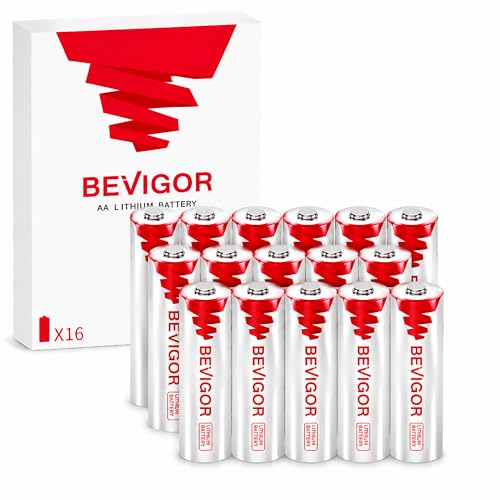
BEVIGOR 1.5V Lithium AA Batteries 16 Pack

BEVIGOR Upgraded 1.5V Lithium AA Batteries 24 Pack

BEVIGOR 1.5V Ultra Long-Lasting Lithium AA Batteries 8 Pack

YoPower Rechargeable AAA Batteries 4 Pack 1100mAh
More On The Choices That Made The List
For a household with several TV remotes, streaming boxes, and game controllers, an 80-pack keeps replacements close at hand. Alkaline batteries are familiar, simple to rotate, and require no charging routine, which makes this set attractive for occasional-use devices.
Duracell Coppertop suits anyone who prefers a single battery type across remotes, toys, flashlights, and household electronics. Compared with rechargeable sets, you avoid charger setup, though you also accept regular replacement purchases.
Everyday Advantages
- The 80-count format covers multiple rooms and device categories.
- Alkaline cells fit the straightforward swap-and-forget routine most remotes expect.
- No charger or charging station takes up space around your television.
Trade Offs
- Disposable cells create recurring replacement needs compared with rechargeable batteries.
- Storage matters in humid spaces, so keep unused batteries in a dry, temperature-stable location.
Key Specs
Made For
This set fits households that use AA batteries across many remotes and want minimal charging maintenance.
Consider Something Else When
Choose Panasonic eneloop instead when you already have a charger and want to reduce ongoing replacements.
This mixed-size eneloop set is built for people tired of replacing disposable cells. It includes eight AAA batteries, four AA batteries, and an individual-cell charger, so you can start a rechargeable household system without assembling separate pieces.
Ni-MH batteries, which use rechargeable nickel-metal hydride chemistry, usually run at 1.2V. That distinction matters for compatible devices, but TV remons that specify AA or AAA rechargeable cells can be a sensible long-term setup.
Standout Benefits
- Both AA and AAA cells make it easier to cover remotes with different battery formats.
- The listed recharge cycle target reaches 2,100 cycles, supporting repeated use.
- Individual charging gives you control over the cells kept ready in your drawer.
Points To Keep In Mind
- Not every device is designed for 1.2V rechargeable batteries, so check the remote before switching.
- The set includes a charger, which takes more setup than disposable Duracell Coppertop batteries.
Quick Facts
The Right Fit
This set fits remote-heavy households ready to confirm device compatibility and establish a regular charging habit.
Another Choice May Suit
BEVIGOR lithium AA batteries fit people who want low-maintenance 1.5V cells rather than a rechargeable charging setup.
imuto focuses on devices that demand more energy than a basic remote, while retaining a 1.5V presentation that many AA devices understand. That combination makes the set more relevant to smart-home equipment and power-hungry accessories than a conventional remote-only assortment.
The charger is included, so you can move from unpacking to a rechargeable routine. You may find the extra features unnecessary for a television remote, though that same capability is useful across cameras, controllers, and other compatible equipment.
Why It Works Well
- Constant 1.5V output suits devices designed around standard AA voltage.
- Eight cells provide a practical rotation for several compatible devices.
- High-drain positioning makes it more relevant to cameras and connected equipment than a basic TV remote.
Honest Caveats
- Rechargeable lithium chemistry still needs periodic charging and a suitable charger.
- Some older remons may have compatibility limits, so verify the device requirements before ordering.
Feature Snapshot
Who It Suits Best
This set fits households using compatible high-drain AA devices that benefit from a rechargeable routine.
Look Elsewhere When
Duracell Coppertop is a simpler fit for occasional remotes where charging would be unnecessary.
BEVIGOR’s 16-pack is aimed at smart-home users and anyone managing more than a single remote. The 1.5V lithium format maintains familiar nominal voltage, while the stated low self-discharge makes stored cells practical for devices that are not used every day.
Compared with Duracell Coppertop, this lithium set emphasizes long storage and a broader device mix. The tradeoff is that disposable lithium cells are not rechargeable, so replacements remain part of the ownership routine.
The Good Stuff
- Sixteen cells support several smart devices, flashlights, and controllers.
- Stable 1.5V output aligns with many AA-powered accessories.
- Less than 1% annual self-discharge supports batteries held for later use.
- The storage-focused design suits devices used only occasionally.
Trade-Offs To Consider
- Lithium chemistry may cost more per replacement than ordinary alkaline cells in some shopping situations.
- Long-term storage still benefits from cool, dry conditions and keeping cells in their original packaging.
At A Glance
Built With In Mind
This pack suits smart-home households that want a broad AA reserve for devices with different usage patterns.
Where A Sibling Pick Shines
BEVIGOR Upgraded High-Capacity Lithium AA Batteries are a better fit for a home needing a larger disposable reserve.
With 24 cells, this BEVIGOR set is built for a home that keeps batteries in several rooms and across more than one kind of device. The larger count is less about a single remote than about reducing the frequency of searching through drawers for a fresh pair.
Its 1.5V lithium approach and claimed shelf life make it more relevant for long-lived household equipment than the recharge-and-rotate routine required by eneloop cells. That convenience comes with a larger disposable pack to use and store.
A Strong Showing
- The 24-count format suits multiple rooms, remotes, and AA-powered accessories.
- Stated shelf life reaches up to 20 years, helping stored cells remain useful for long periods.
- Low annual self-discharge makes the set practical for emergency reserves and infrequently used devices.
Small Caveats
- Disposable lithium cells cannot be recharged, so the pack is not a long-term recycling solution.
- Keep unused cells away from moisture and extreme temperatures, particularly in a garage or outdoor storage area.
Specification Snapshot
Who Will Love This
This pack fits busy homes that want a large, organized reserve for many compatible AA devices.
Skip It When
Panasonic eneloop suits people who prefer regular charging over managing a sizable disposable battery supply.
This eight-pack sits between a small emergency reserve and a full household supply. Its high-capacity lithium positioning makes it worth considering for compatible cameras, flashlights, controllers, and other AA devices, even though a basic TV remote may not need that level of capacity.
The shorter pack also reduces unused inventory compared with the 16- and 24-cell BEVIGOR options. You trade bulk for a more focused setup, which may make sense for one media cabinet or a small collection of smart accessories.
Everyday Perks
- The listed capacity is described as roughly 15% higher than standard lithium cells.
- Eight batteries cover a remote and several nearby AA-powered devices.
- Up to 20 years of stated shelf life supports long-term storage.
Where It May Fall Short
- Eight cells may be limited for a home with many remotes and frequently replaced devices.
- Disposable lithium cells need replacement eventually, so a charger-based alternative may be more convenient over time.
Key Product Details
Best Suited To
This set fits people balancing a moderate battery reserve with higher-use AA devices beyond the remote.
A Better Fit Elsewhere
BEVIGOR 1.5V Lithium AA Batteries 16 Pack serves households that need twice as many stored cells.
YoPower is a compact option, but the AAA format limits its usefulness for the AA batteries used in many television remotes. It belongs in this roundup because a few remotes, wireless accessories, and smaller household devices take AAA cells, making size confirmation the first practical step.
The four cells provide 1100mAh Ni-MH rechargeable power and are listed for up to 1,500 recharge cycles. That cycle claim makes the set more compelling for compatible AAA devices than as a direct AA remote solution.
Points In Its Favor
- Four AAA cells offer a manageable starter set for compatible devices.
- 1100mAh capacity supports digital cameras, toys, cordless phones, and remote controls.
- Rechargeable Ni-MH chemistry reduces the need for repeated disposable-cell replacement.
Where It Is Less Suited
- AAA cells will not fit an AA battery compartment, so check the remote before considering this option.
- A charger is needed to realize the intended rechargeable routine, and the four-cell count is small for several devices.
Technical Reference
Built With In Mind
This set suits people with confirmed AAA-compatible remotes and a willingness to maintain a rechargeable battery routine.
Reach For A Different Pick When
Duracell Coppertop is the more direct choice for a remote that specifically requires disposable AA alkaline cells.
Choosing Batteries For A Remote-Ready Setup
Match the size before the chemistry
Open the battery compartment and note whether it requires AA or AAA cells. Size is non-negotiable, and a rechargeable battery with the right capacity can still fail when the device expects a different chemistry or voltage.
Decide between disposable and rechargeable power
Alkaline and lithium cells offer the simplest replacement routine. Rechargeable Ni-MH cells reduce repeated purchases, while 1.2V Ni-MH models may not suit every remote designed around 1.5V AA power.
Consider how often the remote runs
A remote used once a day may be perfectly served by dependable alkaline cells. A media cabinet with several remotes, controllers, and connected accessories can benefit more from a larger pack or a charger-based set.
Check the storage conditions
Keep spare batteries away from heat, dampness, and high-impact locations. A garage, outdoor cabinet, or uninspected storage box can shorten the useful life of otherwise suitable cells.
Common Buying Traps
Aa And Aaa Are Not Interchangeable
A battery that looks similar can still be physically too short or too narrow. Read the compartment marking and replace all cells with the same format and the chemistry recommended by the device maker.
More Cells Do Not Remove Compatibility
A large pack only helps when the cells fit the device and meet its voltage requirements. Confirm the remote’s battery specification before choosing a rechargeable or lithium alternative.
What The Higher Tier Buys
Capacity And Storage
Higher-capacity lithium and rechargeable cells can be useful for high-use devices, but a television remote may need little beyond reliable basic power. Pay for additional capacity when the same cells serve cameras, lighting, toys, or several remotes.
A Charging Routine
A charger adds convenience only when you remember to use it. Without a dependable rotation, disposable cells may be the lower-maintenance choice for occasional remote use.
Frequently Asked Questions For Aa Batteries For Tv Remotes
Can I use rechargeable AA batteries in my TV remote?
Only when the remote or device instructions permit rechargeable cells. Check the required size, voltage, and chemistry before changing from alkaline power.
Are lithium AA batteries better than alkaline batteries?
Lithium cells can suit high-drain or infrequently used devices, while alkaline cells are often simpler for ordinary remote use. Compatibility and storage needs matter more than the label alone.
How many batteries should a TV remote need?
Most remotes use two cells, but the compartment is the reliable guide. Replace them with matching cells from the same pack whenever possible.
Can AA and AAA batteries be used together?
They are different sizes and should not be mixed in a compartment designed for one format. Use the exact size specified by the device.
Where should spare remote batteries be stored?
Keep them in a dry, temperature-stable location away from direct heat and moisture. Storage conditions help preserve usable capacity.
Final Thoughts
For most TV remotes, Duracell Coppertop offers the least complicated route, while Panasonic eneloop suits compatible devices managed through regular charging. BEVIGOR’s lithium sets are more compelling for smart-home equipment, larger battery reserves, and infrequent-use devices. Confirm the size and voltage first, then choose the routine you will actually maintain.
