


A remote control is a small device with a big inconvenience problem: weak batteries can cause missed button presses, delayed responses, and settings that reset unexpectedly. You’ll find dependable options here for living-room remotes, garage-door openers, game controllers, cameras, flashlights, and other everyday equipment, with lithium and alkaline chemistry covered separately so you can choose based on device requirements and usage patterns.
The Shortlist At A Glance

Energizer Ultimate Lithium AA Batteries (8 Pack)

Amazon Basics 48-Count AA and AAA Alkaline Batteries

Energizer Ultimate Lithium AA Batteries (24 Pack)

EBL AAA Alkaline Batteries 24 Pack
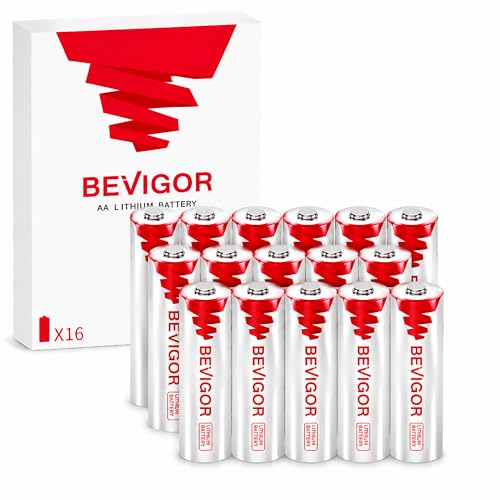
BEVIGOR 1.5V Long-Lasting Lithium Batteries AA 16 Pack

BEVIGOR Upgraded High-Capacity Lithium Batteries AA 24 Pack

BEVIGOR 1.5V Ultra Long-Lasting Lithium Batteries AA 8 Pack
The Strengths Of Each Pick
Fewer batteries can be a meaningful advantage in a house where several remotes need occasional attention. These 1.5V lithium cells suit low-drain equipment, including smoke detectors, cameras, flashlights, and children’s games, while their stated operating range covers temperatures from -40°F to 140°F.
Compared with the 24-count Energizer option, this pack is easier to store and less likely to leave loose cells around the house. For a living room with a television remote and several occasional devices, that focused quantity feels sensible; heavy users may prefer the larger reserve.
Notable Upsides
- Lithium chemistry supports dependable service in cold or warm surroundings.
- The leak-resistant construction helps protect sensitive battery compartments.
- Eight cells cover several remotes without creating a large storage surplus.
- One chemistry simplifies household inventory compared with mixed-size packs.
Worth Noting
- Lithium AA batteries can cost more per cell than ordinary alkaline models.
- Some rechargeable devices may require a different battery type, so check the device markings.
Key Attributes
Who It Suits Best
This pack fits households with several AA-powered remotes plus cameras, flashlights, games, or smoke detectors that need dependable cells.
A Better Fit Elsewhere
Amazon Basics 48-Count AA and AAA Alkaline Batteries suit mixed-device households that also need a large supply of slim AAA cells.
A crowded drawer full of different remotes often needs both AA and AAA cells, and this pack provides 24 of each. The 1.5V alkaline format works across common controllers, toys, flashlights, cameras, and clocks, making it a practical one-stop reserve for mixed household equipment.
The honest trade-off is chemistry. Alkaline cells generally fit light-to-moderate drain better than lithium, while the Energizer Ultimate Lithium packs are stronger choices for cold environments and long storage. You’ll still need separate rechargeable batteries for devices designed around them.
Features That Help
- Twenty-four AA cells serve common television and audio remotes.
- Twenty-four AAA cells cover slim remotes, controllers, and small flashlights.
- Adaptive power output adjusts to different device requirements.
- Ready-to-use cells simplify immediate replacement after opening the package.
Small Caveats
- Half the pack may sit unused in homes that have only AA-powered equipment.
- Alkaline performance is less compelling for sustained cold-weather use than lithium chemistry.
Quick Facts
Made For
Mixed-device households benefit most, especially families swapping batteries across television remotes, game controllers, toys, clocks, and flashlights.
Consider Something Else When
Energizer Ultimate Lithium AA Batteries (8 Pack) suit households prioritizing long storage and cold-temperature performance over having both battery sizes.
Twenty-four cells suit homes where AA batteries serve many roles rather than one television remote. Cameras, flashlights, games, and safety equipment can draw from the same pack, reducing the need for frequent replenishment and giving you spare cells ready for occasional use.
This larger Energizer pack shares the stated -40°F to 140°F operating range and up-to-25-year storage life of the smaller lithium option. In practical terms, that makes it useful for emergency-kit shelves and infrequently opened equipment, although you may find the quantity excessive for a single remote.
Bright Spots
- Twenty-four batteries create a generous reserve for AA-only homes.
- Long storage life suits emergency supplies and seasonal equipment.
- Temperature performance is useful for outdoor sensors and cold spaces.
- Leak-proof construction helps reduce damage from battery leakage.
Practical Considerations
- Store spare cells away from heat, moisture, and metal contacts.
- Lithium AA cells may be unnecessary for a standard TV remote used several times daily.
Right Fit For
Busy households with numerous AA devices, safety detectors, cameras, and stored emergency equipment benefit most from the larger quantity.
Swap It Out When
Energizer Ultimate Lithium AA Batteries (8 Pack) offer a lighter storage option for people replacing cells in only a few remote controls.
Not every remote takes AA cells, and this 24-pack answers the need for slim 1.5V AAA batteries. It is designed for remotes, toys, and portable electronics that use alkaline power, so it belongs in homes with several handheld controls rather than a television set loaded exclusively with AA batteries.
The manufacturer describes up to twice the lasting power of standard alkaline batteries and a shelf life of up to 12 years. Owners commonly report the main ownership benefit in mixed remote households: fewer interruptions while replacing cells across devices.
A Strong Showing
- Twenty-four cells provide a practical reserve for multiple AAA remotes.
- The upgraded alkaline formula targets longer use than ordinary cells.
- A stated shelf life of up to 12 years supports long-term storage.
- The compact AAA format fits narrow battery compartments.
Possible Compromises
- AAA cells will not replace AA batteries in remotes designed for the larger size.
- The performance claim depends on the device and its energy demand.
- Keep loose cells organized in their original packaging during household storage.
Feature Snapshot
Who Should Grab It
Households with several AAA-powered remotes, toys, or portable electronics benefit most from this focused alkaline supply.
Another Choice May Suit
Amazon Basics 48-Count AA and AAA Alkaline Batteries suit homes that need substantial quantities of both AA and AAA cells.
Security cameras and other connected equipment can stay out of reach for weeks, making lithium chemistry useful in scenarios where a remote sits unused between uses. These 1.5V AA cells also serve trail cameras, flashlights, and controllers, giving you a versatile pack beyond the media cabinet.
Compared with alkaline alternatives, the stated shelf life of up to 20 years and annual self-discharge rate below 1% favor long-term storage. That doesn’t remove the need to confirm battery compatibility, particularly in rechargeable cameras or devices that specify a particular cell type.
Strong Points
- Up to 20 years of shelf life supports emergency and rarely used storage.
- Low annual self-discharge helps preserve energy during long storage periods.
- The 16-count size balances camera, flashlight, and controller use.
- Lithium chemistry suits remote-controlled equipment accessed infrequently.
Areas To Watch
- Rechargeable cameras may specify rechargeable cells rather than disposable lithium batteries.
- Remove old cells together with the new ones so leftover power does not stress the contacts.
Technical Notes
Built With In Mind
Home-security owners, campers, and households with seldom-used cameras or outdoor lighting benefit most from long lithium storage.
Look Elsewhere When
Amazon Basics 48-Count AA and AAA Alkaline Batteries serve mixed-device homes that favor a broad, frequently used alkaline supply.
Twenty-four high-capacity AA cells suit homes that move beyond a single television remote. Cameras, flashlights, game controllers, and household electronics can all draw from the same lithium supply, reducing the inconvenience of discovering an empty battery compartment halfway through a routine task.
The upgraded 1.5V platform is described as having more stable power delivery, while its up-to-20-year storage life suits emergency shelves. Compared with BEVIGOR 1.5V Long-Lasting Lithium Batteries AA 16 Pack, the tradeoff is essentially quantity rather than a different form factor.
Well-Handled Touches
- Twenty-four cells support frequent replacement across many AA devices.
- High capacity targets equipment with steadier power demands.
- Stable 1.5V output suits compatible household electronics.
- Long storage life reduces concerns about frequently unused spares.
Trade-Offs To Consider
- Larger packs need a dry, temperature-conscious storage location.
- Disposable lithium cells do not replace batteries required by rechargeable-only equipment.
- Remote-control use alone may not justify the quantity.
Whose Shelf It Belongs On
Frequent users of AA controllers, cameras, flashlights, and smart-home accessories gain the most from the larger reserve.
Reach For A Different Pick When
BEVIGOR 1.5V Ultra Long-Lasting Lithium Batteries AA 8 Pack suits a smaller remote-control replacement need without extra bulk.
An eight-pack offers enough lithium AA cells for four paired-device replacements, which suits a smaller remote-control cabinet. Cameras, flashlights, and high-drain electronics also benefit from the stated capacity increase, particularly where alkaline cells are replaced sooner.
The manufacturer claims nearly 15% more power than standard lithium cells and describes stable 1.5V voltage technology. You’ll find the same up-to-20-year storage life and sub-1% annual self-discharge figure carried by the larger BEVIGOR packs, making storage behavior the main attraction here.
Positive Takeaways
- Eight cells cover several standard remote-control replacements.
- Higher claimed capacity benefits demanding electronics and flashlights.
- Long shelf life suits batteries kept in occasional-use storage.
- The smaller quantity simplifies inventory compared with 16- and 24-count packs.
Less-Strong Areas
- Higher-drain homes may need another pack sooner.
- Store cells away from direct heat and conductive metal.
Core Details
Best Suited To
Compact living spaces and occasional users benefit most from four paired replacements without maintaining a large battery reserve.
Where A Sibling Pick Shines
BEVIGOR Upgraded High-Capacity Lithium Batteries AA 24 Pack better serves frequent users who prefer one larger lithium supply.
What To Weigh Before Choosing Remote-Control Batteries
Match The Battery Size First
Open a remote’s compartment and check whether it requires AA or AAA cells. Size and chemistry must both match, since AAA cells are narrower and shorter than AA cells. A close visual match can still be wrong, so follow the polarity marks and the device’s printed battery requirement.
Lithium Suits Storage And Temperature Swings
Lithium chemistry is a practical choice for long storage, emergency supplies, and cold environments because the listed options emphasize low self-discharge and broad temperature ranges. Alkaline batteries remain useful for frequently replaced devices and mixed AA/AAA inventories. The device’s manual should guide you when its battery specification is unclear.
Count Batteries By Pair
Most remotes use two cells, so an eight-pack covers four remotes and a 24-pack covers twelve. Add a separate allowance for flashlights, cameras, toys, and controllers rather than treating one battery as one replacement. Households that constantly cycle through controllers may also prefer a larger 24- or 48-count pack.
Consider Rechargeable-Device Markings
A rechargeable battery uses controlled charging current, while a disposable cell does not. Devices marked for rechargeable AA or AAA cells require compatible rechargeable models. Installing disposable lithium cells in that equipment can create a mismatch, making the device’s labeling more important than battery shelf life.
Practical Battery Decisions
Mistakes Worth Dodging
Avoid choosing by package size alone, as an eight-pack and a 48-count pack can use different battery sizes and chemistries. Preserve the correct polarity, remove exhausted cells promptly, and avoid mixing battery types within one device. Loose cells also benefit from organized storage in a dry location.
What The Higher Tier Buys
Lithium packs typically cost more because they emphasize long storage, low self-discharge, and broader temperature performance. The added cost makes sense for emergency kits, outdoor sensors, and rarely used equipment. Alkaline value packs serve regular household replacement more economically.
Frequently Asked Questions
Can AA Batteries Be Used In Any Remote?
No. You need the exact battery size, voltage, and chemistry specified by the remote’s manufacturer. Check the compartment markings before inserting a replacement.
Are Lithium AA Batteries Rechargeable?
The lithium AA options listed here are disposable cells, not rechargeable batteries. Rechargeable-only devices require batteries designed to accept repeated charging cycles.
How Many Batteries Do Most Remotes Use?
Many remotes use two cells, although the number varies by device. Count the compartment openings or existing batteries to determine how many replacements your next pack needs.
Do AAA Batteries Last Longer Than AA Batteries?
Duration depends on the device and its energy demand rather than size alone. Capacity, chemistry, temperature, and standby power can matter more than whether the cell is AA or AAA.
Where Should Spare Household Batteries Be Stored?
Keep them dry, away from direct heat, and protected from metal contacts. A battery organizer also reduces the chance of mixing incompatible sizes or chemistries.
Wrap Up
The right AA batteries for remote controls depend on size, chemistry, device compatibility, and how quickly you expect to use them. Alkaline packs serve mixed, frequent household replacement, while lithium options fit long storage, temperature variation, and demanding electronics. Match the cells to the equipment, store them properly, and choose only the quantity your household will reasonably use.
