


Microphone batteries can turn a smooth recording session into a distracting interruption, especially during a client call, livestream, or long interview. You need dependable 1.5V power, enough capacity for demanding wireless microphones, and a battery format your equipment actually supports. These options cover bulk alkaline packs, disposable lithium cells, and a rechargeable set for frequent recording.
The Essentials At A Glance

Promier AA Platinum Alkaline Battery 96-Pack

PKCELL AA LR06 Batteries 12-Pack

Voniko AA Alkaline Batteries 48-Pack

imuto Rechargeable AA Batteries with Charger, 3000mWh 8-Pack
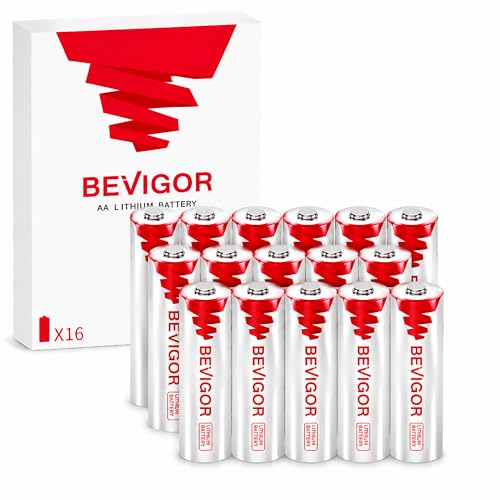
BEVIGOR 1.5V Lithium AA Batteries 16-Pack

BEVIGOR Upgraded High-Capacity AA Lithium Batteries 24-Pack

BEVIGOR 1.5V Ultra Long-Lasting Lithium AA Batteries 8-Pack
Why These Options Stand Out
A 96-cell alkaline pack makes sense for a studio that also powers clocks, remote controls, toys, and flashlights. The generous count reduces the chance that recording day begins with a drawer full of empty batteries, while standard 1.5V AA format suits many wireless microphone transmitters.
Compared with the smaller PKCELL pack, Promier is clearly built around bulk replacement. For a single lav mic used twice a month, that quantity may feel excessive; for a classroom, production company, or busy household, it can be a sensible reserve.
Good Reasons To Consider
- The 96-cell count covers several microphones and household devices without frequent restocking.
- Standard 1.5V AA sizing fits compatible wireless transmitters and low-drain electronics.
- A listed 10-year storage life supports keeping spare cells in a desk or equipment cabinet.
Minor Gripes
- The large count can create clutter for people who record only occasionally.
- Storage claims depend on keeping cells cool and dry; a hot vehicle is a poor place for spare alkaline batteries.
Quick Facts
Made For
This pack suits studios, classrooms, offices, and households that regularly replace several AA batteries at once.
Consider Something Else When
Occasional recording sessions are better served by the more compact PKCELL AA LR06 Batteries 12-Pack.
The PKCELL 12-pack keeps storage straightforward for someone who records interviews, podcasts, or music once in a while. Twelve cells provide several replacement cycles without turning a drawer into a battery warehouse. The LR06 designation identifies the AA form factor used by many compatible wireless systems.
The listed 400-minute discharge time is worth noting, though actual microphone runtime can vary with transmitter output, battery chemistry, temperature, and recording conditions. Compared with Promier’s 96 cells, PKCELL favors convenience over volume.
What Stands Out
- A 12-cell quantity is easy to divide between a microphone bag and a home office.
- The 1.5V output fits standard AA devices, including compatible wireless microphone transmitters.
- A listed 400-minute discharge time gives you a concrete point of comparison with other disposable cells.
Points To Note
- Heavy wireless transmitters may consume these alkaline cells faster than clocks or remote controls.
- You will need another pack sooner than with the 48- or 96-cell alternatives.
Feature Snapshot
Right Fit For
This package fits casual podcasters and home recordists who want a manageable supply for occasional compatible wireless microphones.
Another Choice May Suit
Frequent livestreamers may prefer the imuto Rechargeable AA Batteries with Charger, 3000mWh 8-Pack because they can recharge between sessions.
Voniko’s 48 alkaline cells sit between the compact PKCELL pack and Promier’s bulk reserve. That middle ground works well for a creator who records regularly but does not want dozens of spare cells taking over a cabinet. The standard 1.5V AA format suits compatible wireless equipment.
For a two-person interview setup, four cells provide one complete backup cycle. Larger productions may exhaust them sooner, particularly when transmitters operate at elevated output, so count consumption before committing to this quantity.
Where It Helps
- Forty-eight cells support recurring recording days without reaching for a retail battery run.
- Alaline chemistry remains a familiar option for compatible 1.5V AA equipment.
- The pack size fits home studios that need more coverage than a dozen cells offer.
- A stated 10-year shelf life allows unused cells to remain in storage.
Trade Offs
- Disposable cells create recurring replacement and storage demands.
- Alkaline performance can decline in cold conditions during outdoor shoots, so carry spare cells close to your equipment.
Who Will Love This
Home recordists and small production teams that regularly power compatible AA wireless microphones will appreciate the balanced quantity.
A Better Fit Elsewhere
People working from a field kit with limited space may prefer BEVIGOR 1.5V Lithium AA Batteries 16-Pack for their lighter lithium format and stated storage characteristics.
The imuto set targets people who record often enough to value rechargeability over keeping a large disposable reserve. Its eight rechargeable lithium cells include a charger, creating a reusable setup for compatible microphones. High-drain operation is where the stated 3000mWh capacity becomes most relevant.
Milliwatt-hours measure stored electrical energy, while the listed 1.5V output helps match ordinary AA devices. Microphone compatibility still matters, because some transmitters reject rechargeable cells or require their own power system.
Everyday Wins
- The included charger supports a reusable routine for weekly podcasts and livestreams.
- A stated 3000mWh capacity targets devices that consume energy quickly.
- The listed 2A output suits higher-drain compatible equipment.
- Constant 1.5V output closely matches the voltage expected by many AA transmitters.
Practical Considerations
- Confirm that your microphone accepts rechargeable AA cells before purchasing.
- Eight cells suit a two-microphone setup with one charged pair held in reserve.
Core Details
Built With In Mind
This set is built for high-frequency creators operating two or more compatible wireless microphones each week.
Another Choice May Suit
Spare-free travel is less important to you, so Voniko AA Alkaline Batteries 48-Pack may offer the simpler disposable setup.
Disposable lithium power is well suited to location work because it combines a stated 1.5V output with a low self-discharge rate. You can keep spare AA cells in a camera bag for months and still have a practical chance of finding them ready to use. The 16-cell quantity covers several microphone pairs.
Compared with ordinary alkaline cells, lithium can be attractive where cold, weight, or long storage matters. Your transmitter must still accept disposable lithium AA batteries, so check its instructions rather than relying on shape alone.
Real Benefits
- A stated 20-year shelf life supports batteries kept in a backup drawer or field case.
- Less than 1% annual self-discharge limits gradual capacity loss during storage.
- Disposable lithium cells remove the need to carry a charger during mobile shoots.
- The 1.5V format supports compatible smart devices, flashlights, controllers, and AA microphones.
Areas To Watch
- Not every microphone designed for alkaline AA cells will accept disposable lithium chemistry.
- Keep cells away from extreme heat even though long-term storage potential is strong.
Key Product Details
The Right Fit
This battery set suits location recordists and field producers who need long-stored spare power for compatible microphones.
Reach For A Different Pick When
The BEVIGOR Upgraded High-Capacity AA Lithium Batteries 24-Pack is a better fit for productions that consume batteries across several devices.
The 24-cell BEVIGOR pack fits a production setup that uses batteries beyond its microphone rack. Cameras, smart-home accessories, flashlights, and controllers can all share the same 1.5V lithium format. That makes the pack easier to justify than a large disposable set kept only for occasional recording.
The upgraded chemistry is presented as offering more stable 1.5V power than an earlier generation. For compatible wireless microphones, that stability can be useful during long takes, although actual runtime varies by transmitter and output setting.
The Good Stuff
- Twenty-four cells support multiple devices across a studio, home, or field kit.
- The claimed 20-year storage life makes long-term backup inventory practical.
- Less than 1% annual self-discharge reduces the effects of long storage.
- The upgraded design focuses on steadier 1.5V output for compatible equipment.
Soft Spots
- Disposable lithium chemistry still needs periodic battery checks during demanding productions.
- You must verify compatibility before using the cells across different microphones and transmitters.
- The 24-cell quantity may be excessive for a single-recorder home setup.
Made For
Small production teams and creators running several compatible battery-powered devices will get the most value from this quantity.
Where A Sibling Pick Shines
Travelers with limited storage space may prefer BEVIGOR 1.5V Lithium AA Batteries 16-Pack for a smaller reserve.
Eight cells create a compact reserve for interviews, documentary shoots, and remote sessions where carrying a large pack adds unnecessary bulk. Four cells can run a two-microphone setup, while the remaining four provide a backup. Disposable lithium chemistry also removes charging downtime between locations.
The stated high-capacity upgrade makes this smaller set more interesting than a token pack of eight cells. Compared with BEVIGOR’s 16- and 24-cell options, the capacity claim stays the same, but the quantity better suits a minimal mobile kit.
Practical Pluses
- Eight cells fit neatly into a small microphone or camera bag.
- The listed capacity provides nearly 15% more energy than standard lithium cells.
- A stated 20-year storage life supports keeping the pack in a preparedness drawer.
- Low annual self-discharge helps preserve readiness during long gaps between projects.
Small Caveats
- Four active cells are not enough for a larger multi-transmitter session without another pack.
- Disposable cells must be compatible with both the microphone and its battery-life settings.
Feature Facts
Whose Shelf It Belongs On
Mobile interviewers and solo creators carrying one or two compatible wireless microphones will appreciate the compact eight-cell reserve.
Swap It Out When
A studio that powers several microphone transmitters benefits more from BEVIGOR Upgraded High-Capacity AA Lithium Batteries 24-Pack.
What Matters Most for Wireless Microphone Power
Confirm battery compatibility first
AA describes physical size, not guaranteed chemistry. Some wireless transmitters accept alkaline or disposable lithium cells, while others support only rechargeable lithium packs. Check the microphone manual and manufacturer guidance before filling your case with a new battery type.
Match chemistry to recording pressure
Alkaline cells suit occasional use and offer a familiar disposable format. Disposable lithium is useful for cold-weather or long-storage situations, particularly for field recordists. Rechargeable cells make more sense for creators running sessions frequently enough to value repeated use.
Estimate runtime and pack size
Transmitter output, battery chemistry, temperature, and recording duration all affect runtime. A two-microphone interview needs four active cells, leaving space for a spare set. Larger productions may drain a compact eight-cell pack quickly, making 24- or 96-cell inventories more practical.
Store cells under sensible conditions
Cool, dry storage helps all battery chemistries retain their useful characteristics. Keep spare cells away from direct sun, moisture, and conductive metal objects. A small labeled case also prevents loose alkaline cells from rolling around your equipment bag.
Avoiding Costly Battery Mistakes
Mistakes Worth Dodging
Do not judge compatibility by appearance alone, because a rechargeable 1.5V AA can fit physically while behaving differently from disposable alkaline or lithium cells. Check required polarity and chemistry before a session, then keep a tested backup pair in the same bag as your transmitter.
What Separates Lithium From Basic
Lithesium cells tend to make sense for long storage, cold conditions, and mobile recording, while alkaline packs remain useful for routine low-drain devices. A higher-energy rechargeable set can suit frequent creators, but compatibility and charging access matter more than capacity alone. Choose based on workload, not just the label on the pack.
Frequently Asked Questions
Can I use AA batteries in any wireless microphone?
No, so check the microphone manual for battery size, voltage, and chemistry. Some systems use AAA cells, proprietary packs, or rechargeable batteries with specific charging requirements.
Are alkaline AA batteries suitable for microphones?
Yes, compatible wireless microphones may use 1.5V alkaline cells. Runtime varies with transmitter output and recording conditions, so keep spare batteries for extended sessions.
Can rechargeable AA cells power wireless microphones?
Many compatible systems can use rechargeable AA cells, but some manufacturers restrict chemistry or recommend particular models. Confirm compatibility before relying on them during paid work.
Is lithium better for cold-weather recording?
Lithium chemistry can be a practical choice for cold environments and long storage. Keep batteries near your equipment and away from moisture before the session begins.
How many batteries should a microphone case hold?
A two-microphone setup needs four active cells, plus another four for a spare set. Larger productions should calculate expected runtime and add enough reserves for the full session.
Final Verdict
Choose based on compatibility, recording frequency, and storage constraints rather than capacity alone. Alkaline packs suit routine replacement, disposable lithium serves mobile and long-term storage needs, and rechargeable cells fit frequent recording schedules. Confirm your microphone’s requirements, then keep a matched spare set organized and ready.
