


Storing AA batteries seems simple until you open a junk drawer and find loose cells mixed with rechargeable ones, half-used packs, and no clear purchase dates. You need a dependable balance of shelf stability, packaging, voltage compatibility, and sensible power reserves, especially for flashlights, remotes, sensors, and emergency kits. The right choice depends on whether you want disposable alkaline cells for a reserve or rechargeable lithium batteries for repeated use.
How The Shortlist Stacks Up
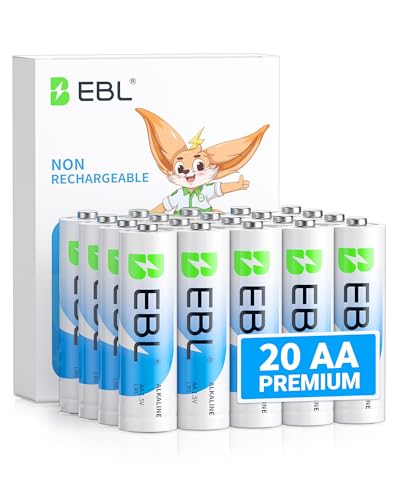
EBL AA Alkaline Batteries 20 Pack

Powermax Alkaline AA and AAA 48-Count Pack
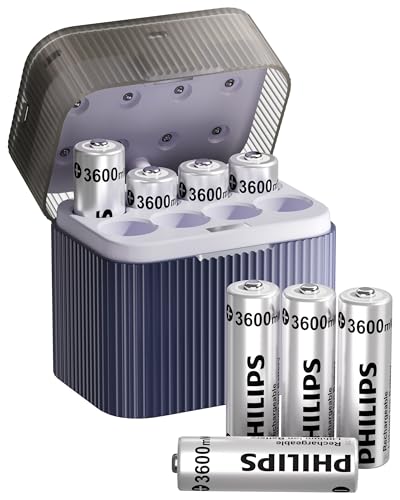
PHILIPS Rechargeable AA Lithium Batteries 8 Pack

Powermax ACDelco UltraMAX AA 10-Count
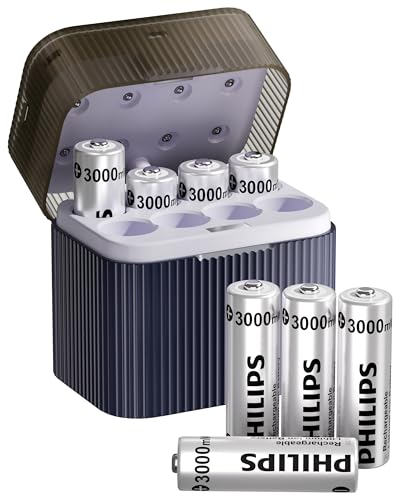
PHILIPS Rechargeable AA Lithium Batteries 8 Pack

PHILIPS Rechargeable AAA Lithium Batteries 8 Pack

PHILIPS Rechargeable AA Lithium Battery 4 Pack
Taking A Closer Look At The Options
A 20-cell alkaline pack suits households building a ready-to-use battery reserve for low-drain remotes, toys, clocks, and small household electronics. Compared with the rechargeable PHILIPS sets later in the list, this option is simpler because there is no charging routine to maintain.
For a garage cabinet or emergency drawer, that simplicity can matter more than long-term reuse. The listing describes 1.5-volt alkaline cells, but it does not provide a stated shelf-life figure, so you may prefer the Powermax packs for a dated reserve.
Useful Highlights
- Twenty cells cover several common household devices.
- The 1.5-volt output fits standard AA device requirements.
- No charger or battery-management routine is required.
Points To Note
- Disposable alkaline cells cannot be recharged.
- No stated shelf-life period is included in the supplied details.
- Loose cells need separate organization to prevent accidental mixed use.
Made For
You benefit most from this pack when you want a simple disposable reserve for occasional AA-powered household devices.
Consider Something Else When
Powermax Alkaline AA and AAA 48-Count Pack suits larger collections that need both sizes and a stated ten-year storage life.
Twenty-four AA cells and 24 AAA cells make this the most size-flexible reserve in the group. You can stock a busy household drawer, office cabinet, or emergency box without purchasing two separate disposable packs.
The stated ten-year shelf life gives the pack a clear purpose for long-term storage, while the reclosable package helps protect unused cells from loose storage. Compared with EBL AA Alkaline Batteries 20 Pack, it carries a larger count and broader device coverage, though the extra volume may be unnecessary for a small home.
Well-Handled Touches
- Equal quantities of AA and AAA cells reduce packaging clutter.
- The stated ten-year shelf life supports reserve planning.
- Reclosure keeps remaining batteries together during storage.
- The broad size mix covers remotes, toys, and smaller electronics.
Trade Offs
- Forty-eight cells take more drawer space than a ten-pack.
- These are disposable batteries rather than reusable lithium cells.
- You may end up storing unused AAA cells after your AA devices are covered.
At A Glance
Right Fit For
Households and offices that use both AA and AAA devices benefit most from the mixed format and large reserve count.
A Better Fit Elsewhere
PHILIPS Rechargeable AA Lithium Batteries 8 Pack better serves frequent game-controller use where recharging offsets the disposable approach.
Rechargeable lithium cells make more sense for devices you run regularly, especially game controllers and remotes. Their 1.5-volt output is designed to resemble alkaline AA power, while the stated 3600mWh capacity gives the pack meaningful energy density for compact electronics.
Unlike the disposable alkaline options, these batteries need periodic charging and device compatibility still matters. The supplied details mention stable high-drain performance, which appears promising for demanding controllers, although your storage plan should keep charged cells in a cool, dry location rather than treating them as a decade-long reserve.
A Strong Showing
- Eight cells support rotation across several devices.
- Rechargeability reduces replacement purchases during regular use.
- The 3600mWh rating suits power-hungry electronics.
- A constant 1.5-volt design supports common AA equipment.
Room For Improvement
- The supplied information does not describe the charging case.
- Periodic charging adds maintenance that alkaline cells avoid.
- Older hardware may not accept rechargeable lithium chemistry well.
Key Specs
Built With In Mind
You benefit most from these cells when several compatible AA devices run frequently enough to make recharging practical.
Another Choice May Suit
Powermax Alkaline AA and AAA 48-Count Pack fits passive reserves that need mixed disposable sizes and a stated ten-year shelf life.
Ten cells create a manageable reserve without the bulk of a 48-cell mixed pack. You gain reclosable storage, a stated ten-year shelf life, and standard 1.5-volt alkaline output for household or office equipment.
That makes this a practical middle ground between EBL AA Alkaline Batteries 20 Pack and the larger Powermax combination set. In a small apartment, the ten-cell quantity may be easier to store and less likely to leave unused batteries sitting around, though frequent high-drain users would still receive more benefit from rechargeable cells.
Key Advantages
- A compact ten-cell count suits limited storage space.
- Reclosable packaging helps retain unused batteries.
- The stated ten-year shelf life supports reserve planning.
Small Caveats
- The cells are not rechargeable.
- Ten batteries offer less reserve capacity than larger packs.
- Storage claims still depend on keeping cells cool and dry.
Feature Snapshot
The Right Fit
Small homes, offices, and emergency kits benefit from the compact count and resealable package.
Look Elsewhere When
PHILIPS Rechargeable AA Lithium Battery 4 Pack suits a gaming setup that needs fewer cells but expects regular recharging.
The integrated Type-C charging case gives this eight-cell set a tidier ownership routine than loose rechargeable batteries. You can keep power and storage together, which helps in a busy kitchen, office drawer, or gaming area.
Its 3000mWh capacity is lower than the 3600mWh PHILIPS AA rechargeable set, but the charging system may be more useful for your routine. The stated 1.5-volt output and high-drain positioning suit compatible controllers and electronics, while the rechargeable format remains a different proposition from year-long alkaline reserves.
Strong Points
- The case combines charging and battery storage.
- Eight cells provide practical controller rotations.
- Type-C charging simplifies the power connection.
- The 3000mWh rating supports compatible high-drain devices.
Worth Bearing In Mind
- Regularly used cells need periodic charging.
- The case occupies more space than a simple battery sleeve.
- Its capacity is below the 3600mWh PHILIPS alternative.
Made For
You gain the most from this set when convenience and organized charging matter alongside steady 1.5-volt output.
Reach For A Different Pick When
PHILIPS Rechargeable AA Lithium Batteries 8 Pack offers the higher stated capacity for heavier device use.
AAA rather than AA cells make this set relevant to smaller devices that use the other common cylindrical format. The eight-cell quantity and Type-C charging station suit households managing controllers, remotes, and compact electronics across mixed rooms.
Its 1300mWh capacity sits below the AA rechargeable options, as expected from the smaller format, but the stated 1.5-volt output targets familiar AAA equipment. It is a strong fit for active setups, though it does not replace the AA reserve category for flashlights or larger household devices.
Positive Takeaways
- Eight AAA cells cover several compatible devices.
- The Type-C station simplifies charging.
- Constant 1.5-volt output suits selected electronics.
- Rechargeability helps devices used every week.
Less-Strong Areas
- AAA cells cannot substitute for AA-sized compartments.
- Storage requires an attached charging case.
- Older devices may react poorly to rechargeable lithium cells.
Core Details
Best Suited To
You benefit most from this set when your compatible devices use AAA cells and run frequently enough for regular charging.
Where A Sibling Pick Shines
PHILIPS Rechargeable AA Lithium Battery 4 Pack is the stronger fit for AA controllers and camera equipment.
Four rechargeable lithium AA cells offer a restrained starting point for one controller or a small group of compatible electronics. The stated 3600mWh capacity supports high-drain equipment, while the integrated charging and storage box helps keep the cells together.
Compared with PHILIPS Rechargeable AA Lithium Batteries 8 Pack, this option uses less storage space and carries fewer cells, which can be preferable in a compact home or travel setup. The trade-off is faster rotation: regularly used devices may need more frequent charging than an eight-cell arrangement would require.
Points In Its Favor
- 3600mWh capacity supports demanding equipment.
- Four cells keep the footprint relatively small.
- The integrated case stores and charges together.
- Stable 1.5V output targets compatible AA devices.
Details To Watch
- Four cells offer less backup during extended use.
- Rechargeable chemistry needs device compatibility checks.
- The case becomes part of your storage setup.
Who Will Love This
Compact gaming spaces and camera setups benefit from the four-cell format and high stated capacity.
Swap It Out When
PHILIPS Rechargeable AA Lithium Batteries 8 Pack serves users who want fewer charging interruptions across several compatible devices.
Storage Details That Shape Your Choice
Shelf Life Versus Rechargeable Use
Alkaline cells are designed for passive reserves, and a stated shelf life gives you a more concrete storage target. Rechargeable lithium cells serve frequent use better, but their charge state, charger, and case become part of long-term maintenance.
Match The Battery Format
AA and AAA describe size, not interchangeable power. Measure the compartment and check the device’s battery requirements before buying, especially for older controllers, cameras, and remote controls.
Keep Storage Conditions Stable
Store unused cells in their original packaging, away from heat, moisture, and metal objects that could cause a short circuit. Separate disposable alkaline packs from rechargeable lithium cells so the two systems don’t get mixed during a busy replacement.
Common Storage Traps To Avoid
Mistaking Rechargeable Cells For Emergency Spares
A rechargeable pack is convenient for regular use, but it may sit empty in a storage box. Keep a separate disposable alkaline reserve for situations where charging or access to power is uncertain.
Treating All Battery Formats As Equal
An AA cell will not fit a AAA compartment, and rechargeable chemistry can be less suitable for some older devices. Confirm both size and compatibility before building a long-term kit.
Ignoring The Real Storage Life
A stated shelf-life period does not remove the need for sensible storage. Keep spare cells cool, dry, and organized, and rotate older packs toward active use before newer ones.
The Case For Spending Up
Charging Design Adds Convenience
Higher-capacity rechargeable sets can reduce replacement frequency in devices you use often. An integrated charging and storage case may justify the extra cost when you want one organized place for charging and keeping spare cells.
Capacity Helps In Repeated Use
A higher mWh rating stores more energy per cell, which can matter for controllers and other high-drain electronics. The trade-off is charging equipment, compatibility checks, and a larger storage routine than disposable alkaline cells require.
Frequently Asked Questions
What AA batteries are best for long-term storage?
Look for a stated shelf life, sealed or reclosable packaging, and a storage location that stays cool and dry. For passive reserves, the Powermax alkaline packs provide useful shelf-life information.
Should AA storage batteries be rechargeable?
Choose rechargeable AA cells for frequent use and disposable alkaline cells for passive reserves. Rechargeable batteries need periodic charging, while alkaline cells are intended for single-use replacement.
Can AA and AAA batteries be stored together?
You can store them in the same drawer, but keep the formats in labeled packaging or compartments. Mixing loose sizes makes device matching and replacement more difficult.
How should you store unused AA batteries?
Keep unused cells in their original packaging, away from heat, moisture, and conductive metal. Reclose the package and avoid exposing disposable alkaline cells to damaged or leaking batteries.
Are lithium AA batteries suitable for game controllers?
Compatible game controllers may benefit from the stated 1.5-volt lithium output and rechargeable capacity. Check the controller maker’s battery guidance because some older devices handle rechargeable chemistry poorly.
Final Verdict
For a passive emergency reserve, Powermax ACDelco UltraMAX AA 10-Count is the compact middle ground, while the 48-count combo pack covers mixed AA and AAA inventories. Choose rechargeable lithium cells when regular device use makes charging worthwhile, and match the format, capacity, and packaging to your actual storage space.
