


Heat can shorten battery life, accelerate self-discharge, and complicate storage, especially during road trips, outdoor work, and summer outages. The right AA battery depends heavily on the device, expected current draw, and storage conditions. This guide compares rechargeable lithium, NiMH, and alkaline options to help you choose confidently without paying for unnecessary features.
The Leading Options At A Glance

imuto Rechargeable AA Batteries with Charger, 3000mWh 8 Pack

Rayovac High Energy AA Batteries, 24 Pack

GENYESTAR NiMH Solar Light AA Batteries, 1000mAh 8 Pack
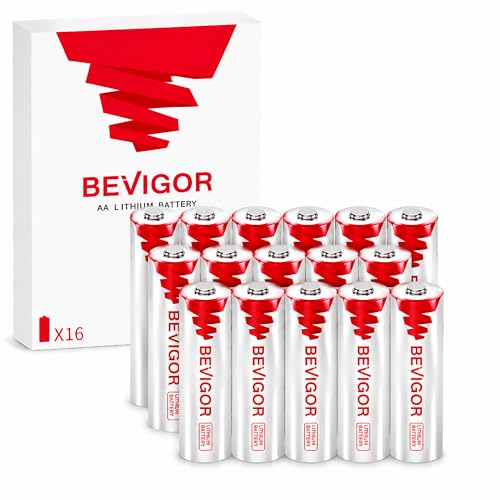
BEVIGOR Long-Lasting Lithium AA Batteries for Smart Devices, 16 Pack

BEVIGOR Upgraded High-Capacity Lithium AA Batteries, 24 Pack

BEVIGOR Ultra Long-Lasting Lithium AA Batteries, 8 Pack

Coast Industrial Performance AA Alkaline Batteries, 4 Pack
Inside Each Recommended Option
The imuto set combines eight 1.5V rechargeable lithium batteries with a charger, making it a strong option for high-drain photography gear and household electronics. The listed 3000mWh capacity and 2A output target devices that consume power quickly, while the eight-cell format gives you several replacements ready.
Compared with disposable alkaline cells, rechargeability can reduce long-term replacement cycles once the initial cost is covered. In hot vehicles, keep the cells away from direct sun and extreme cabin temperatures during storage; those conditions can shorten battery life even though the chemistry supports repeated charging.
The Case For It
- Eight rechargeable cells support rotation across several high-use devices.
- The 2A output suits power-hungry accessories that need more current than ordinary remote batteries.
- A supplied charger removes the need to source a separate compatible charger.
- The 1.5V output closely matches common alkaline AA expectations.
Practical Considerations
- Rechargeable batteries may not suit every low-drain device or every battery compartment.
- Owners should store spare cells in a cool, dry location rather than a parked vehicle.
At A Glance
Built With In Mind
You’ll benefit most from this set for frequently used electronics, photography accessories, and rechargeable-device households.
A Better Fit Elsewhere
GENYESTAR NiMH Solar Light AA Batteries are a more natural choice for solar garden fixtures that use rechargeable 1.2V cells.
Rayovac’s 24-pack keeps the category simple: disposable alkaline power for flashlights, wireless mice, remote controls, and toys. A large reserve is useful for households that use batteries across several rooms, and the cells require no charging equipment or compatibility adjustments.
Heat remains the deciding factor. Alkaline batteries can lose useful capacity faster in elevated storage temperatures, so keep unopened packs indoors and take only the cells you need outdoors. Compared with imuto’s rechargeable set, Rayovac wins on convenience for occasional use, while imuto makes more sense for steady, repeatable consumption.
Positive Takeaways
- Twenty-four cells provide a substantial household reserve.
- Disposable use suits occasional flashlights, remotes, toys, and wireless mice.
- Standard alkaline chemistry avoids charger setup and battery rotation.
- The broad device mix makes one pack useful around the home.
- Sealed storage helps you organize batteries by device type.
Small Caveats
- Single-use cells are less economical for high-frequency replacement.
- Extended exposure to hot vehicle interiors can shorten shelf life.
Quick Facts
Right Fit For
This pack suits households that want simple backup power for mixed everyday devices rather than a rechargeable system.
Swap It Out When
BEVIGOR Long-Lasting Lithium AA Batteries for Smart Devices are a better fit for cameras and electronics that value low self-discharge.
These GENYESTAR cells are aimed at a narrow but clear use case: rechargeable AA batteries for solar lights and other household devices that accept 1.2V NiMH cells. NiMH means nickel-metal hydride, a rechargeable chemistry commonly paired with solar-powered fixtures because it can be replenished by compatible light.
The listed 1000mAh capacity offers a practical middle ground for pathway lights and string-light replacements. The trade-off is voltage: 1.2V rechargeable cells can be unsuitable for equipment designed specifically around disposable AA chemistry. Check the fixture manual before installation, and keep spare cells cool during a heat wave.
Reasons It Performs
- The eight-pack supports replacements across several compatible solar fixtures.
- The rechargeable format avoids recurring disposable-cell replacement in outdoor lights.
- Low self-discharge supports storage between extended periods of poor sunlight.
- The 1.2V specification is suited to devices designed for NiMH cells.
- 1000mAh provides a useful capacity balance for solar-light replacements.
Trade-Offs To Consider
- The lower voltage may prevent use in ordinary 1.5V-only devices.
- Charging performance depends on the fixture or charger accepting the cell’s chemistry.
Made For
You’ll get the most value from these batteries in compatible solar pathway lights, garden fixtures, and household string lights.
Another Choice May Suit
Rayovac High Energy AA Batteries are the simpler fit for flashlights and devices that expect standard 1.5V alkaline cells.
BEVIGOR’s 16-pack is built around steady 1.5V lithium output for devices that draw meaningful power, including Blink cameras, trail cameras, flashlights, and gaming controllers. Lithium chemistry is the key distinction here: these are non-rechargeable cells designed for low self-discharge and dependable storage.
That storage profile makes them useful in an emergency cabinet or a summer travel kit, provided you keep them away from direct heat. Compared with the 24-cell Rayovac pack, BEVIGOR emphasizes electronics rather than general household coverage. You may find the smaller count limiting for a home with many battery-powered rooms, but the device focus is clearer.
The Upside
- 1.5V lithium output suits many electronics expecting standard AA voltage.
- The stated shelf life of up to 20 years supports long-term indoor storage.
- Less than 1% annual self-discharge helps preserve stored capacity.
- Sixteen cells cover several cameras, controllers, or flashlight locations.
- Lithium chemistry performs well for high-drain use in this product category.
Worth Noting
- Lithium cells are disposable rather than rechargeable.
- High heat during storage still deserves avoidance, despite the long shelf-life claim.
Feature Snapshot
Who Should Grab It
Home-security users and electronics owners who want disposable lithium cells for cameras, controllers, and high-use flashlights will find this format useful.
Where Another Pick Shines
The GENYESTAR NiMH Solar Light AA Batteries are a better fit for rechargeable solar fixtures with compatible 1.2V compartments.
This larger BEVIGOR lithium pack extends the same 1.5V disposable format to 24 cells, giving you a more substantial reserve for cameras, flashlights, controllers, and everyday electronics. The upgraded chemistry is presented as a more stable power supply than earlier BEVIGOR lithium technology, which is useful when you want consistent output across mixed devices.
The 24-cell count is the real advantage over BEVIGOR’s 16-pack, especially for households managing several high-use items. Keep the storage area cool and dry, and avoid leaving the open pack in a hot vehicle or garage. For rechargeable systems, imuto offers a different ownership path, but this pack is simpler for occasional replacement.
Everyday Perks
- The 24-cell count supports multiple rooms, cameras, and flashlights.
- 1.5V output provides a familiar fit for many compatible devices.
- Up to 20 years of stated shelf life suits emergency-cabinet storage.
- Under 1% annual self-discharge helps preserve unused cells.
- Disposable lithium chemistry removes charger ownership from the equation.
Possible Compromises
- The larger pack takes more space than the eight-cell BEVIGOR option.
- Disposable chemistry is less economical for constant replacement.
The Main Details
Whose Shelf It Belongs On
You’ll appreciate this format for households that want a large, low-maintenance reserve for electronics, cameras, and portable lighting.
Look Elsewhere When
imuto Rechargeable AA Batteries with Charger are a better fit for high-frequency use where replacing disposable cells would become routine.
The eight-cell BEVIGOR Ultra Long-Lasting Lithium AA pack is the most portable option here, balancing a modest reserve with disposable lithium storage. It is aimed at high-drain devices and uses stable 1.5V lithium output, making it more relevant to flashlights, controllers, and cameras than to low-drain remote controls.
Eight cells may feel small compared with the 24-pack options, but that works well for a travel bag, emergency drawer, or weekend kit. In hot weather, treat the pack as a take-along item rather than something you leave in the car. The product’s stated shelf life helps, though cool indoor storage remains the sensible ownership habit.
The Helpful Details
- The compact eight-cell format fits smaller emergency and travel kits.
- 1.5V lithium chemistry supports compatible high-drain devices.
- Up to 20 years of stated shelf life helps with planned storage.
- Less than 1% annual self-discharge supports longer storage periods.
- Disposable cells eliminate the need to carry a charger separately.
Small Limitations
- The eight-cell count may not cover a large household.
- Lithium cells are not rechargeable, despite the long-lasting wording.
Travel Ready
This pack suits travelers and emergency-kit planners who want a small number of reliable 1.5V cells for demanding devices.
Another Choice May Suit
BEVIGOR Upgraded High-Capacity Lithium AA Batteries are the better choice when you need a larger in-home reserve.
Coast’s four-pack takes the disposable alkaline route but emphasizes demanding equipment and resistance to leaks and corrosion. That construction makes it more relevant to tools, outdoor gear, and flashlights than to a room full of low-drain remotes. The four-cell quantity is modest, so it works best as a targeted replacement pack.
Compared with Rayovac’s 24-pack, Coast is the more specialized choice. You’ll get a straightforward AA cell at standard voltage without charger compatibility concerns, but heat storage still deserves attention. Keep the pack indoors and carry only the cells needed for a trip, especially during extended summer travel.
Points In Its Favor
- Anti-leak and anti-corrosion construction supports demanding equipment.
- Standard 1.5V output works with common AA-compatible devices.
- The four-cell pack is easy to carry for tools or outdoor kits.
- Disposable alkaline cells require no charging setup.
Areas To Watch
- Four cells offer less coverage than the 24-pack alkaline alternatives.
- Alkaline storage life is more sensitive to high temperatures than the lithium options.
- Keep unused cells away from hot garages and vehicle interiors.
Technical Notes
Who It Suits Best
You’ll appreciate this pack for tools, flashlights, and outdoor equipment that value leak-resistant alkaline construction.
Reach For A Different Pick When
Rayovac High Energy AA Batteries are a better fit for households needing a larger disposable reserve across many everyday devices.
Heat, Voltage, And Device Fit
Match The Chemistry First
Voltage is the first compatibility checkpoint. Standard 1.5V cells suit most household AA devices, while the GENYESTAR NiMH set uses 1.2V rechargeable cells for compatible solar fixtures. Check the battery compartment or manual before ordering, especially for cameras, smart-home equipment, and low-voltage devices.
Choose For The Device Load
High-drain electronics benefit from lithium or high-output rechargeable options because they are designed to manage stronger current demands. Alkaline remains practical for occasional use, but frequent replacement can make rechargeables more economical over time. For solar lights, NiMH is often the more natural chemistry because compatible fixtures can recharge the cells.
Think About Heat Storage
Heat does not belong in your battery storage plan. Keep unopened packs indoors, away from direct sunlight, hot garages, and parked vehicles. Take only the cells you need outdoors, and keep rechargeable lithium or NiMH cells away from excessive heat during charging as well.
Separate Capacity From Compatibility
A larger pack does not automatically mean a better device match. Battery voltage, chemistry, physical size, and rechargeability matter more than capacity for some equipment. Use the largest pack that suits your normal replacement pattern, not simply the highest number printed on the box.
Choosing Batteries For Summer Storage
Where Shoppers Go Wrong
A common mistake is choosing AA cells by voltage alone, especially for cameras, solar lights, and smart-home accessories. Another is leaving a partly used alkaline pack in a hot vehicle because it seems convenient. Match the chemistry to the device, then store unused cells in a cool indoor location.
What The Higher Tier Buys
Premium positioning usually points toward lithium chemistry, higher output, or larger rechargeable capacity rather than a different basic shape. Those features help with high-drain electronics, long storage, or repeated charging. For occasional remotes and toys, a bulk alkaline pack can still be the more rational ownership choice.
Frequently Asked Questions
Are AA batteries affected by hot weather?
Heat can accelerate self-discharge and reduce useful storage life, especially with disposable alkaline cells. Keep unused batteries indoors and away from hot vehicles, direct sunlight, and garages.
Can rechargeable AA batteries work in solar lights?
Rechargeable NiMH AA batteries can suit compatible solar lights because the fixture replenishes their charge. Confirm that the device accepts 1.2V NiMH cells before installation, since standard 1.5V-only devices may not work with them.
Are lithium AA batteries good for cameras?
Lithium AA batteries can suit cameras and other demanding electronics when the device accepts standard 1.5V cells. Confirm compatibility and pay attention to the battery draw, since high-output devices benefit from a chemistry designed for that workload.
Should batteries be stored in a hot car?
No. Prolonged heat can shorten storage life and accelerate leakage concerns. Carry only the cells needed for your trip and store the rest in a cool, dry place indoors.
Are 1.2V batteries interchangeable with 1.5V batteries?
Not automatically. A device designed for 1.2V NiMH cells may work with them, while a device that requires 1.5V may not. Check the device manual or battery markings before swapping chemistry.
Final Thoughts
The best choice depends on the device more than the season alone. Use lithium cells for compatible electronics and long storage, NiMH for compatible solar fixtures, and alkaline for straightforward disposable use. Store everything indoors during hot weather, and choose the chemistry your equipment explicitly supports.
