


AA batteries can make or break a cordless LED light, decorative lamp, camera, or small electronic device. The chemistry matters because alkaline, rechargeable NiMH, and non-rechargeable lithium cells behave differently under continuous or high-drain use. These picks cover rechargeable systems, compact holders, seasonal lighting, and disposable lithium options for everyday devices.
The Picks In Brief

Panasonic eneloop Charger and 8 AA/AAA Batteries

VWEICYY 2 x 1.5V AA Holder Enclosures, 6-Pack

Luminara Hatching Easter Chick Candle 3.3 x 4.3

POWEROWL Lithium AA Batteries, 16-Pack Non-Rechargeable
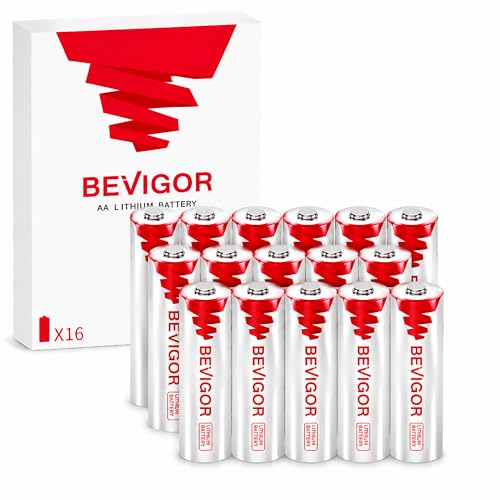
BEVIGOR Long-Lasting Lithium AA Batteries, 16-Pack

BEVIGOR Upgraded Lithium AA Batteries, 24-Pack

BEVIGOR Ultra Long-Lasting Lithium AA Batteries, 8-Pack
More On The Choices That Made The List
Rechargeable cells suit LED lights used daily rather than seasonally. This set combines four AA and four AAA eneloop batteries with a four-position charger, reducing loose replacement cells around the house.
Individual charging means each cell receives its own charging path, a useful feature in mixed-size households. You also gain the charger and eight batteries as one coordinated setup.
Everyday Advantages
- Recharge up to 2,100 times according to the listed specifications.
- Individual charging positions simplify mixed AA and AAA use.
- Four LED indicators provide visible charging status.
- Retractable AC plug keeps the charger compact.
Practical Considerations
- Rechargeable batteries add more ownership items than disposable cells.
- Each light must accept the physical size and discharge profile of rechargeable AA cells.
Made For
You benefit most with several rechargeable LED lights used throughout the week.
A Better Fit Elsewhere
BEVIGOR Ultra Long-Lasting Lithium AA Batteries suit occasional lights that favor compact disposable power.
These aren’t cells, so their role is different from every other option here. VWEICYY supplies six wired enclosures, each designed around a pair of 1.5V AA batteries.
You can build or repair a small LED light, sensor, or illuminated prop with removable power and an on/off control. Six units suit makers managing several prototypes or spare housings.
The Value In It
- Six housings support multiple project builds.
- Wire leads permit positioning beyond a battery compartment.
- Individual switches reduce unnecessary power use.
- Spring contacts simplify battery replacement.
Trade-Offs
- You must add compatible AA batteries separately.
- Wire routing requires basic care during installation.
- Enclosures may need secure mounting to prevent movement.
Built With In Mind
Crafters and hobbyists benefit most when a wired power switch suits their LED project.
Look Elsewhere When
Panasonic eneloop Charger and 8 AA/AAA Batteries better serves finished lights used several times each week.
Seasonal LED decor has a different buying equation from a flashlight battery. The Luminara candle combines AA power with a 3.3-by-4.3-inch chick design and a flickering LED effect.
Its hand-poured paraffin body gives the appearance of a traditional candle without an open flame. For an Easter table or spring display, the shape may matter more than battery capacity.
The Upside
- Flickering illumination creates a visible candle effect.
- Compact dimensions suit tables, shelves, and small displays.
- Flameless operation removes an open flame from indoor decorating.
Smaller Considerations
- The decorative design has little value outside seasonal settings.
- Surface wax can collect dust during storage, so wipe it gently.
Right Fit For
You get the most use from this candle in Easter displays and temporary indoor spring scenes.
Another Choice May Suit
POWEROWL Lithium AA Batteries better support year-round cameras and general-purpose electronics.
Lithium chemistry becomes useful in places where alkaline cells can struggle with cold or long storage. POWEROWL supplies sixteen disposable 1.5V AA cells, with the listing particularly noting Blink camera use.
That positioning makes more sense for remote equipment than for a frequently handled lamp. The listed weight of 15 grams per cell also keeps sixteen cells manageable in a gear drawer.
What Pays Off
- Sixteen cells cover several high-use devices.
- Claimed 3400mAh capacity targets longer runtime.
- Specified temperature operation reaches from -40°F to a listed upper range.
- Low listed weight benefits portable equipment.
Points To Note
- Disposable lithium cells cannot be recharged.
- Device compatibility must accept 1.5V lithium chemistry.
- Owners commonly store these cells separately from loose metal objects.
Who Will Love This
Outdoor camera owners and households maintaining mixed AA electronics get the strongest benefit.
Consider Something Else When
Panasonic eneloop Charger and 8 AA/AAA Batteries fit daily LED use that benefits from recharging.
A broad electronics focus distinguishes this BEVIGOR set from the more camera-specific POWEROWL option. Sixteen 1.5V lithium cells are listed for Blink cameras, trail cameras, flashlights, and game controllers.
That range suits a household with several AA-compatible devices. For a single seasonal LED light, though, sixteen cells may feel excessive unless storage life matters to you.
Where It Excels
- Sixteen cells support multiple household devices.
- Listed 20-year shelf life favors emergency reserves.
- Annual self-discharge below 1% supports long storage.
- Lithium chemistry suits demanding electronics.
Potential Compromises
- These are non-rechargeable cells rather than a reusable set.
- Some lights designed for alkaline chemistry may not accept lithium output.
Who Should Grab It
You most benefit from a mixed collection of AA cameras, flashlights, and controllers.
Reach For A Different Pick When
BEVIGOR Ultra Long-Lasting Lithium AA Batteries offer a smaller reserve for occasional replacement.
Capacity alone doesn’t determine fit, but having the largest listed count changes household planning. This BEVIGOR pack contains twenty-four disposable 1.5V AA lithium cells, reducing frequent replenishment across many devices.
The listing describes updated voltage technology, low annual self-discharge, and three-layer leakage protection. Together, those attributes favor a shared supply cabinet or a house with several battery-fed electronics.
The Helpful Details
- Twenty-four cells provide the largest reserve listed here.
- Updated 1.5V output targets steady device operation.
- Listed shelf life reaches up to 20 years.
- Low self-discharge supports stored emergency supplies.
Less-Strong Areas
- A twenty-four-cell reserve can linger after your immediate needs pass.
- Disposable cells add ongoing replacement costs.
- Compatibility remains specific to your equipment.
The Right Fit
Multi-device households that prefer one centralized disposable supply fit this pack best.
A Sibling Pick Shines
POWEROWL Lithium AA Batteries give camera-focused households a smaller count with cold-range positioning.
An eight-cell pack keeps disposable lithium power from becoming an oversized household purchase. BEVIGOR describes nearly 15% more available capacity than its standard lithium batteries, targeting high-drain equipment.
That positioning makes the pack sensible for two or three AA-powered devices. It also shares the listed 20-year shelf life and sub-1% annual self-discharge found across this line.
Real Benefits
- Eight cells serve several moderate-use devices.
- Higher capacity targets demanding equipment.
- Long shelf life suits infrequently used gear.
- Low self-discharge helps preserve stored power.
Small Limitations
- The smaller count offers less reserve for whole-home use.
- Disposable lithium cells should never enter a charger.
- Older AA equipment may lack lithium compatibility.
Made For
You benefit most with a few compatible devices and a preference for compact storage.
Swap It Out When
BEVIGOR Upgraded Lithium AA Batteries better serve homes needing twelve additional spare cells.
What Counts Before You Power an LED Light
Start with chemistry. Rechargeable NiMH cells suit repeated use, while disposable lithium cells serve compatible high-drain or long-storage equipment. VWEICYY enclosures belong to a different category because they hold cells rather than supply power themselves.
Capacity also requires context. A higher milliamp-hour figure can translate into longer runtime, but device design, operating temperature, and battery age affect actual performance. Match the cell’s physical dimensions and voltage first, then consider capacity.
For rechargeable setups, charging convenience matters. The eneloop option includes eight mixed-size cells and an individual charger, reducing separate purchases. Households already owning suitable NiMH cells may not need the full bundled system.
Finally, account for storage and replacement. Large packs lower the need for frequent restocking, while smaller packs fit occasional use and compact drawers. Keep loose lithium cells away from metal objects and never place disposable cells in a charger.
Match Chemistry To Usage
NiMH rechargeable cells are a sensible fit for lights used daily, while seasonal displays often benefit from disposable cells that can remain installed until the next use. Lithium chemistry deserves attention for cold environments, demanding electronics, and long storage, provided the device accepts it.
Count Devices Before Cells
Two AA devices need only a small reserve, while cameras, flashlights, and decorative installations may consume cells faster. Counting active devices and estimating replacements helps you choose between an eight-cell pack and a 24-cell supply.
Account For Specialized Components
A battery holder solves a different problem from a cell. Wire leads and a switch matter for homemade LED projects, whereas finished lights need only the correct battery size, chemistry, and capacity.
Check The Device Instructions
Battery markings reveal important limits. Pay attention to required chemistry, permitted cell type, and whether mixed battery brands or ages should be avoided.
Questions Worth Settling Before You Choose
Where Shoppers Go Wrong
Common errors include choosing package size before device compatibility or assuming every AA light accepts lithium chemistry. Start with the manufacturer’s battery instructions.
Why The Extra Cells Can Help
Larger packs suit homes with several AA-powered devices or long storage needs. Smaller packs reduce leftover inventory for occasional lights and emergency supplies.
Frequently Asked Questions
Can AA lithium batteries power ordinary LED lights?
Only when the light permits 1.5V lithium cells. Check its battery compartment or instructions before installation.
Are rechargeable AA batteries suitable for LED lights?
Many LED lights accept NiMH rechargeable cells. Confirm the dimensions and avoid mixing cell types within one device.
Is a larger battery pack more efficient?
A larger pack mainly reduces replacement frequency. It becomes more useful when several compatible devices consume AA cells regularly.
Can I recharge disposable lithium AA batteries?
No. Lithium cells designated as non-rechargeable must be replaced after discharge.
Which option suits battery-powered LED decorations?
Seasonal decorations often favor compact disposable sets. Rechargeable systems serve frequently used lights better.
Final Verdict
Your best fit depends on usage rather than battery size alone. Choose eneloop for repeated charging, VWEICYY for wired projects, and disposable lithium for compatible devices that value long storage or demanding performance. Match the chemistry, quantity, and charging design to how often the light actually runs.
