


Flash photography drains batteries quickly, especially during weddings, events, and long outdoor sessions. The right cells help your speed lights recycle consistently, while rechargeable models can reduce long-term waste and keep your kit ready between assignments. Voltage, current output, battery chemistry, and your flash’s compatibility matter more than headline capacity alone.
How The Shortlist Stacks Up

Enegitech AA 1.5V Lithium Battery Non-Rechargeable

imuto Rechargeable AA Batteries 3000mWh 8 Pack
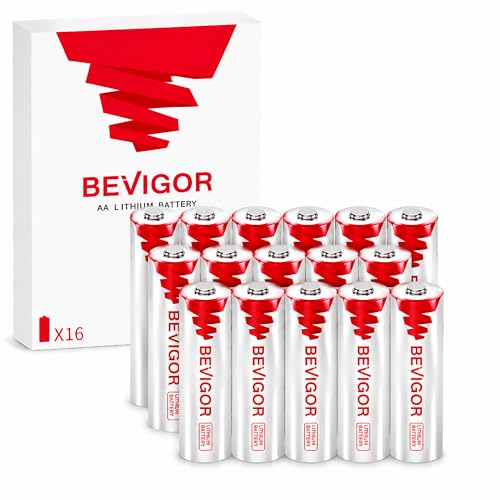
BEVIGOR 1.5V AA Lithium Batteries 16 Pack

BEVIGOR Upgraded AA Lithium Batteries 24 Pack

BEVIGOR 1.5V AA Lithium Batteries 8 Pack

BEVIGOR AA Lithium Batteries 120 Pack

BEVIGOR 1.5V AA Lithium Batteries 24 Pack
A Deeper Look At The Lineup
For high-output speed lights, the Enegitech’s stated 3000mAh capacity and 1.5V output make it a serious disposable-cell option. Capacity describes stored energy, while your flash’s recycle time also depends on its circuitry and battery age, so you may still see shorter bursts later in a long event.
Unlike the imuto set, these cells are non-rechargeable, which removes charger setup from your kit but leaves disposal on your schedule. They suit photographers who want straightforward power for occasional assignments or a full case of preloaded cells.
Useful Touches
- The 3000mAh rating supports demanding flash applications.
- A full 1.5V output suits many AA-based speed lights.
- Disposable cells simplify packing for short trips.
- The same chemistry also fits compatible household devices.
Things To Consider
- These batteries must not be charged, and used cells require appropriate battery recycling.
- Confirm that your flash accepts 1.5V lithium cells before loading the compartment.
Feature Snapshot
Who It Suits Best
You’ll appreciate this option most during event work where dependable 1.5V output matters and precharged cells would add unnecessary complexity.
A Better Fit Elsewhere
Regular studio shooters may prefer the imuto Rechargeable AA Batteries 3000mWh 8 Pack for repeated use and reduced cell turnover.
The imuto set stands apart because it combines eight rechargeable cells, a charger, 1.5V output, and a stated 2A output. The 3000mWh figure is energy rather than the mAh capacity used by many AA batteries, so it should not be compared directly with the Enegitech’s 3000mAh rating.
For a photographer working several events each month, that rechargeable format may prove more convenient than disposable lithium cells. You’ll still need to confirm flash compatibility and track cell age, since recharge cycles and partial use can reduce practical runtime.
The Upside
- Eight cells support several charged sets across multiple devices.
- The included charger reduces the need for separate charging equipment.
- A stated 2A output targets high-drain electronics.
- Rechargeable chemistry suits recurring assignments.
Practical Considerations
- Recharge cycling requires a disciplined rotation and a way to identify older cells.
- The listed energy of 3000mWh is not the same measurement as 3000mAh.
- Your flash may display a low-battery warning near depletion.
Key Specs
Made For
Busy wedding and event photographers who regularly recharge batteries between paid assignments will get the most practical value.
Consider Something Else When
Occasional shooters who prefer simple, disposable power can favor the Enegitech AA 1.5V Lithium Battery Non-Rechargeable instead.
Sixteen cells give the BEVIGOR 1.5V AA Lithium Batteries 16 Pack a middle ground between a single speed light and a large studio inventory. The stated uses extend beyond flashes to trail cameras, flashlights, and controllers, which makes the pack practical for mixed equipment lists.
Compared with the Enegitech, no stated mAh capacity is supplied, so runtime claims are harder to compare directly. The listed shelf life and low annual self-discharge rate are more useful for photographers maintaining backup cells for seasonal work.
A Few Strong Suits
- Sixteen cells cover multiple AA device combinations.
- Stable 1.5V output suits compatible electronics.
- Long-term storage helps emergency and seasonal kits.
- The broad device range reduces separate battery types.
Worth Noting
- No capacity figure is provided, making runtime harder to compare with the Enegitech.
- Store cells in their original packaging and away from metal contacts to reduce accidental shorting.
Right Fit For
You’ll get a useful balance if your flashes, trail camera, flashlight, and controller all rely on AA cells.
Look Elsewhere When
Photographers seeking the highest stated capacity in this shortlist should look at the Enegitech AA 1.5V Lithium Battery Non-Rechargeable.
A 24-cell package makes the BEVIGOR Upgraded AA Lithium Batteries 24 Pack easier to divide across several speed lights, remote triggers, and high-drain accessories. That matters at conferences or weddings where swapping one exhausted cell can interrupt a rapid sequence of shots.
The source describes more stable 1.5V power than earlier BEVIGOR technology, although it gives no exact capacity. You may prefer this larger reserve for event days; the BEVIGOR 1.5V AA Lithium Batteries 8 Pack is lighter to carry for a single compact flash.
Practical Advantages
- Twenty-four cells support multi-flash event kits.
- Stable 1.5V output targets demanding AA devices.
- A stated three-layer protection system supports handling and leak resistance.
- Long storage life helps maintain reserve inventory.
- One pack can serve flashes and compatible accessories.
Possible Compromises
- The 24 cells add bulk compared with smaller packs.
- No exact mAh rating is stated for runtime comparisons.
- Disposable lithium cells still create a replacement stream.
Technical Highlights
Built With In Mind
Event photographers running several AA-based speed lights will value the broad cell reserve and stable power claim.
Where A Sibling Pick Shines
Mobile portrait photographers carrying one speed light can reduce pack size with the BEVIGOR 1.5V AA Lithium Batteries 8 Pack.
Eight cells make the BEVIGOR 1.5V AA Lithium Batteries 8 Pack a compact reserve for one flash or a pair of AA-powered triggers. The claimed capacity increase of nearly 15% over standard lithium cells is meaningful on paper, though actual flash performance can vary with battery age and load.
This is the easier pack to organize in a small camera bag compared with the 16- and 24-cell options. You sacrifice inventory depth, though that trade-off works well for location portraits, small studio setups, and day trips.
Everyday Perks
- Eight cells fit a single-flash working kit.
- The nearly 15% capacity increase targets longer high-drain use.
- Stable 1.5V technology suits compatible devices.
- Low self-discharge supports cells stored between assignments.
Small Caveats
- Four cells may be insufficient for a two-flash setup during a long event.
- The source does not provide an exact capacity figure in mAh.
- Label the pack by date to rotate older cells before newer ones.
Who Will Love This
You’ll like the small format most as a location photographer who powers one speed light and prefers to carry less reserve weight.
Reach For A Different Pick When
Photographers running multiple lights around the clock will gain more flexibility from the BEVIGOR Upgraded AA Lithium Batteries 24 Pack.
At 120 cells, the BEVIGOR AA Lithium Batteries 120 Pack is built for studios, rental houses, and event teams that rotate batteries across several flashes. It also claims operation from minus 40 to 140 degrees Fahrenheit, a useful range for winter outdoor work and vehicles carrying cold gear.
The stated weight is 33% lower than ordinary alkaline AA cells, which helps offset the size of the inventory. Compared with the rechargeable imuto set, the trade-off is clear: this pack simplifies high-volume replacement, while the imuto option reduces recurring cell purchases for regular users.
A Strong Showing
- One pack covers 60 AA battery pairs.
- The broad temperature claim suits seasonal shoots.
- Low weight improves handling across a large inventory.
- Long storage life supports emergency reserves.
- Multiple devices can share the same battery inventory.
- Large stock reduces restocking pressure during busy events.
Practical Considerations
- The large pack requires organized storage and inventory tracking.
- Older cells should be identified and removed before critical assignments.
- This disposable format creates more ongoing battery waste than rechargeables.
Important Details
Whose Shelf It Belongs On
Working studios and rental teams with numerous AA-powered devices will find the inventory scale genuinely useful.
Swap It Out When
Solo creators wanting fewer replacements will likely prefer the imuto Rechargeable AA Batteries 3000mWh 8 Pack.
The BEVIGOR 1.5V AA Lithium Batteries 24 Pack emphasizes long storage and steady 1.5V output, which makes it sensible for photographers who rotate between seasonal events or keep a reserve kit ready. Shelf life describes retention while stored, so keeping cells in a cool, dry place still matters.
You can also use this pack with compatible cameras, flashlights, and controllers listed in the source. It has less stated high-drain detail than the Enegitech, but its 24-cell quantity offers a more balanced mix of depth and portability than the 120-cell pack.
Strong Points
- Twenty-four cells support two or three flash positions.
- Stable 1.5V output suits compatible high-drain devices.
- Up to 20 years of stated shelf life protects stored reserves.
- Low annual self-discharge limits storage-related loss.
Details To Watch
- No exact mAh capacity appears in the supplied information.
- Compatibility should be checked for every flash and trigger.
- Use a battery case to prevent contacts from shorting in your camera bag.
Product Snapshot
Best Suited To
Seasonal event photographers who want a moderate 24-cell reserve will find the pack easy to divide across a working kit.
Another Choice May Suit
High-volume studios that rotate cells every day may prefer the much larger BEVIGOR AA Lithium Batteries 120 Pack.
What Matters Before You Fill Your Flash Kit
Confirm Electrical Compatibility
Start with your flash manual and battery compartment. Some units are designed around 1.5V cells, while others may expect the lower nominal voltage associated with common AA rechargeables. A battery can fit physically yet produce low-voltage warnings or inconsistent recycling behavior.
Match Output To Flash Demand
Current output matters during rapid bursts because the cells must deliver energy without excessive voltage drop. A stated 2A output is useful information for high-drain equipment, but your flash’s required load and recycle time determine the practical result.
Compare Like Measurements
mAh measures charge, while mWh measures energy. You can compare similar cells within the same unit, but 3000mWh should not be treated as equivalent to 3000mAh without voltage and discharge details. Treat cross-brand capacity figures as directional rather than exact.
Plan For Rotation And Storage
Disposable lithium cells need no charging, yet age and self-discharge still affect stored capacity. Rechargeable sets reduce replacement volume, but you’ll need a rotation schedule for mixed-use cells. Store both types away from heat, moisture, and metal objects that can bridge the terminals.
Common Mistakes Worth Avoiding
Mistakes Worth Dodging
A common mistake is judging by pack size alone. Four AA cells do not create four times the runtime of one cell across a complete assignment, and more batteries can add weight without preventing a low-battery warning. Match capacity or energy, voltage, and current output to the flash instead.
What Separates Premium From Basic
Premium cells generally add clearer high-drain specifications, tighter manufacturing controls, or charger integration. That refinement makes sense for frequent event work, while occasional users may get more value from a smaller disposable pack kept close to full charge.
Frequently Asked Questions
Can AA lithium batteries power a speed light?
You can use AA lithium batteries in compatible speed lights. Check the required voltage, battery type, and maximum current before loading them.
Are rechargeable 1.5V AA batteries interchangeable with alkaline cells?
They may fit physically, but some flashes expect alkaline battery behavior. Verify the manufacturer’s supported chemistry to avoid low-voltage warnings or uneven recycling.
Which pack is easiest to carry?
The BEVIGOR 1.5V AA Lithium Batteries 8 Pack offers four AA pairs in a compact format. Larger packs suit photographers running several flash units.
How should flash batteries be stored?
Store cells in a dry case away from heat, moisture, and conductive metal. A cool location helps preserve disposable cells and limits self-discharge in rechargeables.
Do photographers need several spare battery sets?
Rapid bursts and multiple speed lights can drain a set quickly during an event. Carrying 16 to 24 cells gives you room to rotate depleted pairs without an extended interruption.
Closing Verdict
Choose the imuto set for frequent shooting and regular recharging, the Enegitech for a high stated disposable capacity, or a BEVIGOR pack based on your required cell count. The most useful option is the one your flash supports, your event schedule can use, and your camera bag can carry without unnecessary bulk.
