


Camera flashes can drain ordinary batteries quickly, especially during weddings, school events, or long photo walks. The right cells help you avoid missed shots, reduce last-minute battery changes, and keep your gear moving without carrying unnecessary clutter. Rechargeable Ni-MH cells suit photographers who shoot often, while alkaline batteries make more sense for occasional use, emergency kits, and locations without a charger.
The Leading Options At A Glance

Eneloop Panasonic BK-3HCCA6BA pro AA Batteries

KODAK AA Alkaline Batteries 24 Pack

Eneloop Panasonic BK-3MCCA6BA AA Batteries

Panasonic Eneloop AA and AAA Battery Bundle
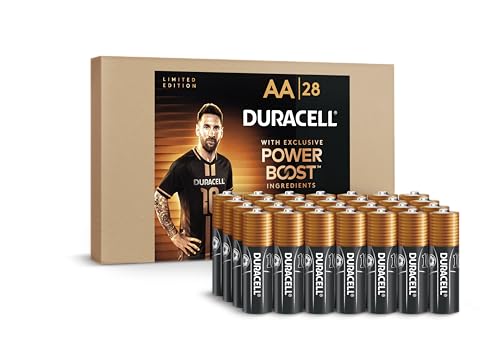
Duracell x Messi Coppertop AA Batteries 28 Count

Energizer AA Batteries Alkaline Power 32 Count

imuto Rechargeable AA Batteries with Charger 8 Pack
Meet The Standout Selections
High-output flash units reward cells that can tolerate repeated bursts and quick recycling. The Eneloop pro AA designation points toward photographers who regularly use speed lights, wireless triggers, and flash-heavy event coverage rather than occasional snapshots. Compared with the standard Eneloop AA option, this pack prioritizes capacity.
The six-cell format gives you enough batteries for a full flash rotation, while pre-charged cells reduce setup time before a shoot. In practice, this is a practical choice for wedding photographers, school photographers, and anyone who dislikes pausing between sessions to change batteries. Fit and runtime still depend on your flash model and how quickly you recycle.
Bright Spots
- High capacity supports demanding flash workloads.
- Six batteries provide a convenient rotation for a camera bag.
- Pre-charged cells can be ready for a planned session.
- Rechargeable Ni-MH chemistry avoids repeated disposable-battery purchases.
Trade Offs
- Rechargeable cells need a compatible charger and planned charging time.
- The pro capacity may be unnecessary for occasional flash use.
- Older flashes may show reduced performance with rechargeable AA cells.
Key Details
Made For Frequent Flash Work
You benefit most from these cells when you run continuous bursts, photograph events, or keep a charger in your camera bag.
Consider Something Else When
Eneloop Panasonic BK-3MCCA6BA AA Batteries offer a more moderate capacity target for photographers who want fewer cells devoted to a single flash kit.
The KODAK 24-pack fits photographers who want disposable cells ready in a drawer, travel pouch, or emergency kit. You avoid managing a charger during a busy weekend, and the large count can cover flashes plus household AA devices. That convenience comes with a different tradeoff: each cell is used once rather than returned to service.
Alkaline chemistry is broadly useful, so these batteries can serve remote accessories and flashlights around the house too. You may prefer them for a single vacation shoot where carrying eight rechargeable cells and a charger adds more weight than it solves.
What Makes Sense
- Twenty-four cells cover several backup needs at once.
- Disposable design removes charging time from a short trip.
- AA format works with many flash units and common household devices.
- Useful as a standby supply alongside rechargeable batteries.
Worth Noting
- Repeated flash use can consume a disposable supply faster than rechargeable cells.
- Mixing battery ages may produce uneven performance in a multi-cell flash.
- Keep unused cells away from heat and moisture during travel.
Feature Snapshot
Right Fit For Travel Kits
You’ll find this format practical for occasional photographers, travelers, and households that want a simple AA reserve.
Look Elsewhere When
The imuto Rechargeable AA Batteries with Charger 8 Pack better serve a traveler who expects repeated shoots away from a dependable charging setup.
The BK-3MCCA6BA pack sits between a general-purpose household battery and a high-output flash battery. Ni-MH is rechargeable, meaning you can build a small rotation instead of replacing cells after every event. For regular photographers, that routine can be simpler than keeping a large disposable supply alongside the camera bag.
The stated 2100mAh typical capacity and up-to-2100-cycle claim make this a sensible middle ground. You’ll still need a charger and should rotate cells in a consistent group, which helps you maintain an even set for a flash that takes multiple batteries.
Notable Gains
- Rechargeable cells reduce ongoing disposable-battery use.
- Typical capacity of up to 2100mAh suits routine flash equipment.
- Six cells make a manageable spare rotation.
- Pre-charged format supports immediate organization into a kit.
Points To Note
- Runtime falls below the Eneloop pro AA model for especially demanding bursts.
- Charging access is required between shooting days.
- High-drain gear can expose differences among cells over repeated use.
Built With In Mind
You’ll appreciate these batteries as a regular-use option for family photographers, hobbyists, and flash users who value a repeatable charging routine.
Another Choice May Suit
The Eneloop Panasonic BK-3HCCA6BA pro AA Batteries better serve professionals who need more capacity for sustained flash output.
Not every camera bag contains only AA cells. This Panasonic Eneloop bundle includes both AA and AAA rechargeable batteries, making it useful for flashes, wireless controls, remotes, and household electronics. The combination simplifies a mixed charging routine and helps you avoid keeping separate battery brands for different compartments.
The trade-off is quantity per size. You receive eight of each format, so photographers who only use AA cells may find the AAA half unnecessary. Still, for a household or traveling photographer with varied gear, the broad coverage is often more useful than a single-size pack.
Positive Takeaways
- AA and AAA coverage supports several types of equipment.
- Eight cells per size provide a practical starting rotation.
- Rechargeable Ni-MH cells reduce recurring disposable purchases.
- One bundle simplifies charging and storage for mixed devices.
Small Caveats
- It may be excessive for a kit that uses only AA batteries.
- A charger is not included in the stated product configuration.
- Flash runtime still depends on your equipment’s battery requirements.
Who Will Love This
You’ll find this bundle especially useful when your camera bag also holds AA and AAA accessories, or when family members share rechargeable gear.
A Better Fit Elsewhere
Eneloop Panasonic BK-3HCCA6BA pro AA Batteries are the more focused choice for photographers who use only AA cells and need greater output capacity.
Duracell’s Messi collaboration gives an otherwise ordinary alkaline format a distinctive place in a camera kit. The 28-count supply is attractive for photographers who mix flash use with toys, remotes, flashlights, and other AA-powered accessories. It also makes a practical backup supply for households that keep batteries in several rooms.
Unlike the rechargeable Eneloop options, these cells are ready for immediate use and require no charger. That convenience is compelling for a single event, though regular high-volume flash work can drain disposable cells steadily. The packaging is the clear standout here, not a claim that the chemistry suits every intensive shooting schedule.
Positive Points
- Twenty-eight cells support flashes and other AA devices.
- Disposable format avoids charging delays before an event.
- Distinctive collaboration packaging stands out in a gear bag.
- A large count helps maintain a household reserve.
Trade-Offs To Consider
- Disposable cells are less economical for frequent flash sessions.
- The themed edition offers no visible charging convenience.
- Keep the pack dry and away from extreme heat during storage.
Quick Facts
Shelf Space For Occasional Use
You’ll appreciate this edition for event photographers, sports fans, and households that want a large, ready-to-use AA reserve.
Reach For A Different Pick When
Eneloop Panasonic BK-3MCCA6BA AA Batteries better serve a photographer who shoots frequently and prefers a rechargeable routine over disposable stock.
The Energizer 32-count pack is built for breadth rather than flash specialization. You can cover a camera flash, wireless mouse, flashlight, thermometer, and household accessories without splitting the supply among several packages. That makes it a sensible drawer option for families and a reserve option for occasional event photography.
As with the other alkaline picks, the main advantage is immediate availability. The trade-off is that high-volume flash users will replace cells more often than they would with Ni-MH rechargeables. You may also want to organize new cells by purchase date and avoid mixing partially used batteries within a multi-cell flash.
The Helpful Details
- Thirty-two cells create a generous mixed-device reserve.
- Alkaline AA format works in many common electronics.
- No charger is needed before an emergency shoot.
- The large pack is convenient for home and travel organization.
Details To Watch
- Disposable batteries are less practical for repeated flash bursts.
- Storage conditions matter because heat can shorten useful shelf life.
- Use matching cells of similar age in multi-battery devices.
For Everyday Device Coverage
You’ll find this pack useful when your camera gear shares AA battery slots with remotes, flashlights, and other everyday equipment.
A Better Fit Elsewhere
The KODAK AA Alkaline Batteries 24 Pack offer a smaller disposable reserve for photographers who want a more compact emergency supply.
The imuto set targets photographers who need a rechargeable rotation away from a wall outlet. Lithium chemistry, 1.5V output, and an included charger create a self-contained kit for road shoots, destination events, and travel days. The eight-cell quantity gives you more flexibility than a small two-cell travel set.
The stated 3000mWh capacity is listed as approximately 2000mAh, which gives you another way to compare energy storage across battery types. High-drain applications may benefit from that approach, but you should confirm your flash accepts rechargeable lithium AA cells. Camera and flash compatibility matters more than capacity alone.
Everyday Advantages
- Eight rechargeable cells support repeated camera-bag use.
- Included charger reduces the need to carry separate equipment.
- Constant 1.5V output suits compatible AA devices.
- Lithium chemistry offers a lightweight travel format.
Practical Considerations
- Not every camera or flash arrangement is compatible with rechargeable lithium AA cells.
- Charging access still matters during extended remote trips.
- Store cells separately from loose metal objects in your bag.
Technical Highlights
The Right Fit
You’ll appreciate this set as a traveling photographer who wants a compact rechargeable kit and has confirmed equipment compatibility.
Where A Sibling Pick Shines
The Eneloop Panasonic BK-3HCCA6BA pro AA Batteries better serve a photographer who prefers established Ni-MH cells and higher listed capacity for intensive flash work.
Choosing Batteries Around Your Flash Workflow
Battery choice starts with how often you shoot. High-volume event and wedding photographers benefit from rechargeable Ni-MH cells because they can be rotated between assignments. Occasional shooters may prefer alkaline cells for their immediate-use convenience and lower equipment burden.
Capacity and discharge behavior
Capacity describes how much energy a battery stores, while discharge behavior affects how steadily it delivers that energy. Camera flashes create short, repeated bursts, so stable output and a healthy cell rotation matter. The Eneloop pro AA pack leads this list for its higher stated capacity, while the standard Eneloop AA pack offers a more moderate balance.
Rechargeable versus alkaline
Rechargeable batteries need a charger and regular charging time, but they suit frequent use. Alkaline batteries are disposable and easy to store as backups. Choose rechargeable cells for your primary kit, then keep a smaller alkaline reserve for emergencies or locations where charging is inconvenient.
Equipment compatibility
Confirm that your camera or flash accepts the chosen chemistry. Ni-MH and lithium rechargeable AA cells can behave differently from disposable alkaline cells, and some devices may display battery warnings or stop sooner. Your camera manual provides the most useful compatibility guidance for your exact setup.
Charger and travel planning
A charger is part of the ownership equation for rechargeable cells. The imuto bundle includes one, while most Eneloop packs here require a separate compatible charger. For travel, calculate charging time, pack spare cells, and keep batteries away from extreme heat and loose metal objects.
Avoid These Battery Mistakes
Common Shopping Slip Ups
Don’t choose by pack count alone. A large alkaline package can be generous for occasional use but wasteful for a photographer shooting every week. Match the chemistry to your shooting frequency, then check the flash manufacturer’s battery guidance.
What The Higher Tier Buys
Higher-capacity cells can help with demanding flash bursts, while complete bundles reduce the need to assemble a charger separately. The upgrade matters most for active shooters, remote travel, and equipment that draws power quickly. For occasional sessions, a smaller disposable or standard rechargeable setup may be enough.
Frequently Asked Questions
Can rechargeable AA batteries power a camera flash?
Many camera flashes accept compatible rechargeable AA cells, but the manufacturer’s instructions are decisive. Check the supported battery types because some devices show warnings or have reduced runtime with rechargeable cells.
How many AA batteries should a photographer carry?
Four cells cover a common two-battery flash configuration, but six or eight gives you a rotation during an event. Carry more for long assignments, cold conditions, or equipment with multiple battery compartments.
Are alkaline AA batteries better for occasional photography?
Alkaline cells suit occasional shoots because they need no charging time. Rechargeable cells are more practical for frequent use, especially when you already maintain a charger at home or on the road.
Can I mix rechargeable and alkaline batteries?
Avoid mixing battery types or ages in one device. Matching cells help maintain more consistent output, especially in a flash that draws power from several batteries at once.
What matters most when choosing AA batteries for a camera flash?
The most important factors are compatibility, runtime, and how often you shoot. High-volume users benefit from dependable rechargeable cells, while occasional users may value an alkaline backup pack more than capacity.
Final Verdict
Choose the Eneloop Panasonic BK-3HCCA6BA pro AA Batteries for demanding, flash-heavy work, or the standard Eneloop AA pack for a balanced rechargeable routine. The imuto set suits travel photographers who want batteries and a charger in one package, while alkaline options work well as backups for occasional use. Match the battery to your flash, your shooting frequency, and the amount of gear you want to carry.
