


A 9V battery can sit unnoticed for months, then suddenly matter during a smoke-alarm warning, a rehearsal, or a recording session. The right choice depends on whether you prefer disposable convenience, USB-C recharging, or direct pedalboard power, and matching the format to the device matters more than chasing headline capacity.
The Lineup, Simplified
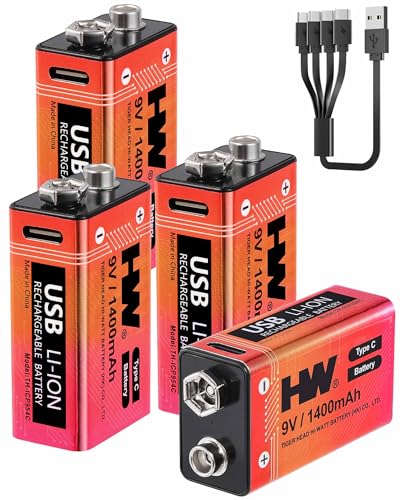
HW 9V Batteries 1400mAh USB-C 4 Pack

PHILIPS 9V Lithium Batteries 1200mAh 4 Pack
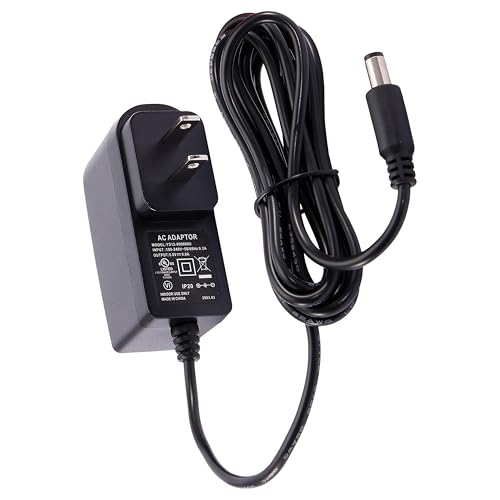
D’Addario PW-CT-9V Pedalboard Power Adapter 800mA

KODAK 9V Alkaline Batteries 10 Pack, 6LR61 PP3

HW 9V Batteries 1400mAh USB-C 8 Pack

HW 9V Batteries 1400mAh USB-C 12 Pack

eeTao East Oak HM899 9V Battery Charger
Why These Options Stand Out
Recharging matters in a hallway where several alarms need dependable power and loose disposable cells disappear into drawers. This four-pack pairs a stated 1400mAh capacity with built-in USB-C charging, reducing battery turnover without requiring a separate socket charger.
The included four-in-one cable handles charging logistics, while the LED indicator provides a visible status cue. Compared with the disposable PHILIPS option, the tradeoff is upfront charging effort in exchange for repeat use.
Useful Strengths
- 1400mAh capacity suits recurring household use.
- Built-in USB-C ports simplify recharging.
- Four cells support rotation across alarms.
- The charging light reduces guesswork.
Practical Considerations
- Charging status is only visible through an LED rather than a detailed display.
- Reusable cells require regular charging during alarm maintenance.
Feature Snapshot
Built With In Mind
You benefit most with multiple smoke detectors and a preference for rechargeable household cells.
Another Choice May Suit
PHILIPS 9V Lithium Batteries suit households that prefer disposable cells and no charging routine.
Disposable power remains practical for smoke alarms, carbon monoxide detectors, and emergency equipment that sits idle between occasional checks. These lithium cells offer a straightforward 1200mAh option without USB-C ports or a charging schedule.
The four-pack covers several devices or creates a reserve for later replacements. Unlike HW’s rechargeable set, PHILIPS places convenience first, though those cells cannot be restored through a charger.
Standout Benefits
- 1200mAh capacity supports relatively steady output.
- Lithium chemistry suits low-drain safety equipment.
- Disposable format removes charging maintenance.
- Four cells cover multiple household locations.
- No cable or charger adds to storage.
Things To Consider
- Single-use cells eventually need replacement.
- Used cells belong in appropriate battery disposal channels rather than routine trash sorting.
Quick Facts
Right Fit For
Smoke-alarm households seeking simple disposable replacement cells fit this format best.
Consider Something Else
HW 9V Batteries 1400mAh USB-C 4 Pack suits people committed to reusable cells and regular charging.
A pedalboard full of effects turns battery changes into an avoidable interruption before rehearsal or a show. This adapter draws from an outlet instead, providing a tip-negative, sleeve-positive connection rated to 800mA.
That makes it more of a pedalboard power supply than a conventional replacement cell. Compared with the eight-battery HW pack, its advantage is continuous operation; the tradeoff is dependence on a suitable power connection.
Real Benefits
- Direct power reduces battery changes.
- The 800mA rating covers higher-drain effects.
- Tip-negative wiring suits compatible 9V pedal devices.
Potential Compromises
- Your effects must accept the specified polarity and connector.
- Pedalboard routing needs enough cable reach, so owners commonly check clearance before installation.
Made For
Electric guitarists with compatible pedalboards benefit from eliminating disposable cells.
Look Elsewhere
HW 9V Batteries 1400mAh USB-C 8 Pack fits musicians who prefer portable battery rotation.
A ten-cell reserve suits larger homes, rental properties, or anyone who prefers to keep spare alarm cells on hand. These are disposable alkaline batteries in 6LR61 and PP3 formats, two designations commonly used for rectangular 9V cells.
The stated ten-year shelf life makes storage planning easier, although dates and terminals should still be checked during periodic maintenance. Compared with the four-cell PHILIPS pack, this choice prioritizes reserve depth.
Strengths Worth Knowing
- Ten cells cover several alarms or replacements.
- A long stated shelf life supports stockpiling.
- Alkaline chemistry keeps handling familiar.
- 6LR61 and PP3 labels aid device matching.
Small Caveats
- Alkaline cells are not rechargeable.
- Stored batteries need dry, moderate conditions and periodic inspection.
The Details
Whose Shelf It Belongs On
Home managers with several alarms and a preference for alkaline stock favor this reserve.
Swap It Out
PHILIPS 9V Lithium Batteries suit people wanting disposable lithium chemistry in a smaller four-pack.
Eight rechargeable cells suit a pedalboard with several 9V-powered effects or a home studio that needs backups between sessions. Each cell has a stated 1400mAh capacity, while the eight-unit count creates room for rotation and spares.
Built-in USB-C charging removes the need to keep eight separate holders organized. Unlike D’Addario PW-CT-9V, this pack remains portable, though musicians must build charging time into their routine.
Real-World Strengths
- Eight cells support a multi-pedal setup.
- 1400mAh favors extended operating time.
- USB-C charging simplifies the initial setup.
- The LED gives a quick charge-status cue.
- Spares reduce last-minute pack shortages.
- The four-in-one cable handles multiple cells.
Details To Watch
- Effects requiring unusual polarity or voltage may not operate correctly.
- Recharge timing can be inconvenient during short changes.
Technical Highlights
Built With In Mind
Home-studio musicians running several compatible effects benefit from the rotating eight-cell set.
Where Another Pick Shines
D’Addario PW-CT-9V suits players who favor uninterrupted outlet power over portable cells.
Wireless microphone users can juggle multiple active and spare cells without turning a low battery into an immediate interruption. This twelve-pack uses the same stated 1400mAh rechargeable format as the eight-cell HW set, but offers more rotation room.
For one or two microphones, the smaller pack may make more sense. Twelve cells become genuinely useful for performers, event crews, or anyone moving several compatible devices through a demanding week.
Practical Pluses
- Twelve cells suit high-frequency rotation.
- 1400mAh supports extended operating time.
- USB-C ports reduce adapter clutter.
- The included multi-device cable supports batch charging.
Worth Noting
- Fewer active devices may leave extra cells idle.
- Wireless microphones must accept compatible 9V rechargeable cells.
- All twelve cells need periodic charging.
- Owners commonly organize cells by device to avoid runtime mismatches.
The Right Fit
Performers operating several compatible wireless microphones benefit from this deeper reserve.
A Better Fit Elsewhere
HW 9V Batteries 1400mAh USB-C 4 Pack suits households managing only a few alarm devices.
This is a wall charger, not a standard 9V battery, and its narrow device compatibility sets it apart from the rest of the list. It supplies power for the East Oak HM899 heated lunch box and is also listed for HM935 and HM945 models using the specified battery platform.
Its 100-240V AC input supports use across different regions, while output protection covers overvoltage, overcurrent, and short-circuit conditions. Exact model matching is the decisive ownership concern.
What Stands Out
- Supports three listed East Oak lunch-box models.
- Accepts 100-240V input.
- Three output protections support controlled charging.
- Matches the ZC024AHL900200U battery specification.
Possible Compromises
- It cannot charge ordinary rectangular 9V cells.
- Using the wrong charger can damage a device, so model markings must be confirmed before connection.
Feature Facts
Who Should Grab It
East Oak lunch-box owners with the listed models and battery designation can use this specialized charger.
Reach For A Different Pick
PHILIPS 9V Lithium Batteries serve people replacing cells in standard household electronics.
Match the Power Format to Your Devices
Start by confirming the device’s required voltage, polarity, and battery format. A nominal 9V label does not guarantee identical compatibility, so the connector shape and polarity marking deserve as much attention as capacity.
Rechargeable or Disposable?
Rechargeable cells suit frequent users who can maintain a charging routine. Disposable lithium or alkaline batteries suit alarms and occasional equipment because there is no charging stage, but replacements accumulate over time.
Capacity and Pack Size
Milliampere-hours indicate stored energy capacity, though device demand and design determine usable runtime. Larger packs create better rotation for pedalboards and wireless microphones, while four cells may be sufficient for a single alarm or small home setup.
Connector and Polarity Matters
A 9V socket can accept the right voltage while still using reversed polarity. Tip-negative and sleeve-positive describes which side connects to each terminal, and direct power adapters also require enough current capacity for the connected pedal.
Common Sense Checks Before Checkout
Mistakes Worth Dodging
Check voltage, dimensions, and polarity before ordering; matching only the nominal voltage can still lead to an unsuitable connection. Look closely at charger-specific listings too, because the eeTao option supplies power to a lunch box rather than charging a standard 9V cell.
What The Higher Tier Buys
A larger rechargeable pack mainly buys more rotation capacity and reduces charging urgency, not a different voltage class. Its value rises with repeated use and compatible high-drain devices, while a disposable pack makes more sense for infrequent replacements.
Frequently Asked Questions
Can a rechargeable 9V battery replace a disposable one?
Only when the device accepts rechargeable chemistry and the cell matches its voltage, dimensions, and connection. Some high-drain devices perform differently with rechargeable cells.
Are lithium or alkaline 9V batteries rechargeable?
The PHILIPS lithium and KODAK alkaline options are disposable. The HW range is designed for repeated USB-C charging, while the D’Addario adapter receives power from an outlet.
How many 9V batteries are needed?
A four-pack suits several household alarms or occasional equipment use. Eight or twelve cells fit pedalboards and wireless microphone systems that benefit from active and spare rotation.
Can the eeTao charger charge ordinary 9V batteries?
No. It is designed as a 9V wall adapter for specified East Oak lunch-box models and the ZC024AHL900200U battery platform.
Wrap Up
The most useful match depends on the device: PHILIPS and KODAK suit disposable household cells, D’Addario supplies continuous pedalboard power, and the HW packs serve rechargeable systems needing rotation. Check voltage, connector, and polarity first, then choose the cell format that fits your maintenance routine.
