


A metal detector can be ready at the first crack of dawn yet still lose operating time to a weak battery. The right 9V cell keeps the coil active through damp parks, dry beaches, and long searches across rough ground, while chemistry and capacity determine how you carry spare power. For weekend explorers, dedicated hobbyists, and anyone tired of sudden voltage dropouts, these seven options cover different priorities from lightweight lithium to compact alkaline convenience.
A Side-By-Side Look

PHILIPS 4 Pack 9V Lithium Batteries, 1200mAh

PHILIPS 9V Alkaline Batteries 4 Pack
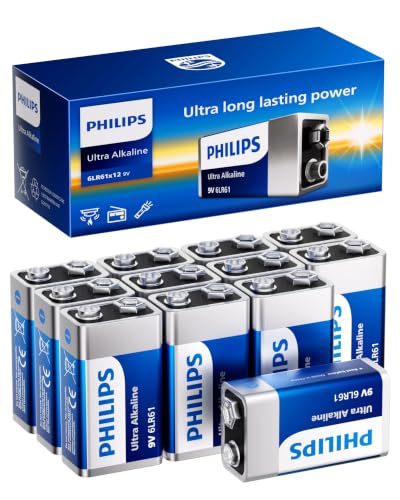
PHILIPS 9V Alkaline Batteries 12 Pack
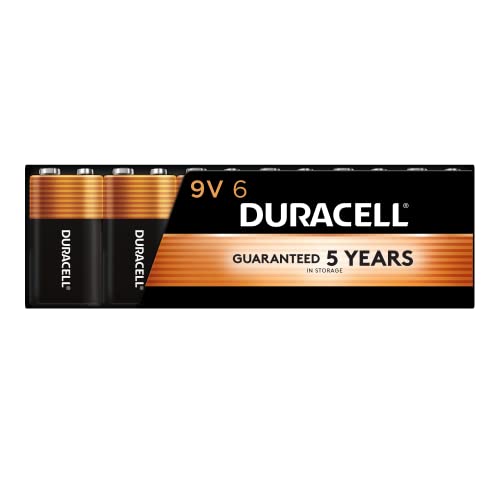
DURACELL Coppertop 9V Battery, 6 Count

Interstate Batteries 9 Volt Alkaline Batteries, 12-Pack

Enegitech 9V Lithium Battery, 1200mAh, 4 Pack

Duracell Alkaline 9V Battery, 1 Count
A Breakdown Of The Leading Choices
Lithium chemistry favors portable power, and this PHILIPS pack gives you four 1200mAh cells for long searches away from a vehicle. The higher capacity matters most for demanding electronics that draw current steadily, especially during an afternoon sweep with the sensitivity raised over littered ground.
Compared with the alkaline options that follow, it trades shelf-life planning for a lighter, higher-capacity approach. For committed hobbyists, that balance generally makes more sense than carrying several partly used spare cells.
Everyday Wins
- Four cells support several outings without frequent recharging.
- The 1200mAh rating suits detectors with steadier power demands.
- Lithium chemistry can reduce pack weight compared with alkaline alternatives.
- Non-rechargeable operation suits field swaps where outlets are scarce.
Small Caveats
- Non-rechargeable cells cannot be restored after use.
- Detector compatibility should be checked against the device instructions.
Key Attributes
Built With In Mind
This pack fits frequent hobbyists who spend full days detecting away from power outlets.
A Better Fit Elsewhere
PHILIPS 9V Alkaline Batteries 12 Pack suits households that prioritize inexpensive bulk storage over lithium weight.
Alkaline chemistry makes this a practical starting point for weekend detector use. Shelf life matters in a drawer full of spares, because a cell can remain useful for months between outings without becoming your immediate maintenance concern.
The four-pack size covers a couple of complete changeovers, though PHILIPS 9V Alkaline Batteries 12 Pack is easier to manage for regular sessions. For lighter use, the smaller group avoids unnecessary bulk.
What Works In Its Favor
- A stated 10-year shelf life supports long-term spare storage.
- Four cells are enough for occasional outings and one active spare.
- Alkaline chemistry remains familiar across many household electronics.
Worth Noting
- Alkaline cells generally add more weight than lithium alternatives.
- Storage claims depend on proper temperature control and handling.
- Older cells benefit from periodic inventory checks.
Quick Facts
The Right Fit
Occasional detector users benefit from a small alkaline reserve that stays ready between outings.
Another Choice May Suit
PHILIPS 4 Pack 9V Lithium Batteries, 1200mAh suits mobile hobbyists who prefer lighter, higher-capacity spares.
A twelve-cell case fits a detector cupboard better than a loose handful of backups. It gives regular hobbyists enough alkalines for multiple changeovers and leaves extras for multimeters, clocks, or other compatible household devices.
The stated shelf life also makes this pack practical as a long-lived equipment reserve, although a dry location matters. Compared with PHILIPS 9V Alkaline Batteries 4 Pack, the tradeoff is added weight and bulk in exchange for fewer supply stops.
Standout Benefits
- Twelve cells simplify planning for regular detector use.
- The up-to-10-year shelf life reduces last-minute purchases.
- One reserve can serve several compatible household devices.
- Alkaline chemistry avoids carrying a charger for spare power.
Practical Considerations
- The full pack is heavier than lithium alternatives.
- Humidity and heat can shorten practical storage life.
Made For
Regular hobbyists and family equipment keepers benefit from maintaining a sizable spare reserve.
Look Elsewhere When
Duracell Alkaline 9V Battery, 1 Count better serves minimal carrying needs and one-at-a-time replacement.
DURACELL Coppertop 9V Battery, 6 Count stretches between the compact PHILIPS four-pack and the larger alkaline reserve. That middle ground works well for people who detect monthly and also maintain devices such as walkie-talkies, meters, or garage controls.
The listed applications broaden its usefulness beyond a detector coil. For a mixed equipment kit, it may feel more practical than dedicating your entire lithium reserve to field searching.
Notable Gains
- Six cells cover several detector sessions with spares remaining.
- The format also suits compatible meters, radios, and household devices.
- Alkaline cells need no charging during outdoor trips.
Honest Caveats
- The chemistry offers less capacity-focused appeal than 1200mAh lithium.
- Keep unused cells away from moisture and high heat.
- Do not place alkaline batteries in a charger.
Feature Snapshot
Who Will Love This
Hobbyists with several compatible household devices appreciate having one moderate-size alkaline reserve.
Swap It Out When
Interstate Batteries 9 Volt Alkaline Batteries, 12-Pack better serves people who prefer fewer restocking stops.
Interstate Batteries 9 Volt Alkaline Batteries, 12-Pack makes sense for a garage cabinet shared by a detector and several everyday devices. Its listed uses extend to smoke detectors, walkie-talkies, garage controls, clocks, and toys, so a single reserve can cover more than your detecting kit.
The source also cites improved ANSI test performance against a leading alternative, though actual detector life still depends on settings and use. Compared with PHILIPS 9V Alkaline Batteries 12 Pack, this is primarily a choice about household coverage and pack organization.
Positive Points
- Twelve cells suit shared household and workshop inventories.
- Multiple listed device uses make spare cells easier to distribute.
- The large pack reduces repeated purchases during active use.
- Alkaline chemistry simplifies organization around one battery format.
Possible Compromises
- Twelve cells add bulk for occasional detector outings.
- Alkaline batteries cannot be recharged.
- Separate devices should be checked for 9V compatibility.
Best Suited To
Workshop households benefit from distributing these cells among several compatible 9V devices.
Reach For A Different Pick When
Enegitech 9V Lithium Battery, 1200mAh, 4 Pack better serves field-focused users who value lower pack weight.
Metal detecting appears directly in the Enegitech use case, and its 1200mAh lithium cells target long searches without the bulk of an alkaline reserve. That makes this pack appealing during long walks where every gram in your side pouch adds up.
Its compatibility extends beyond detectors to smoke detectors, fire alarms, keyless locks, and meters. PHILIPS 4 Pack 9V Lithium Batteries, 1200mAh offers similar capacity, so the practical distinction may come down to your detector instructions and preferred device mix.
Strengths Worth Knowing
- The 1200mAh rating supports higher-drain device use.
- Metal detectors are explicitly included among compatible applications.
- Four lithium cells form a compact field reserve.
- The same pack can support compatible locks, alarms, and meters.
- A listed backup period of up to 10 years helps storage planning.
Points To Note
- The cells are non-rechargeable and cannot be restored.
- Device compatibility should be confirmed before installation.
Technical Highlights
Who Should Grab It
Dedicated detector users benefit from a compact lithium reserve designed for extended field activity.
Where A Sibling Pick Shines
DURACELL Coppertop 9V Battery, 6 Count better serves households wanting one alkaline pack across several device types.
A single cell keeps storage extremely simple. You can place it beside a detector, remote, or compatible toy without maintaining a large reserve, which makes this option useful for light household use rather than serious field sessions.
Its five-year storage claim helps planned replacement, although alkaline chemistry still benefits from cool, dry storage. For weekend detecting, the multi-packs offer much more practical backup capacity than this one-cell format.
Useful Strengths
- One-cell packaging minimizes cabinet and pouch space.
- A stated five-year storage period supports planned holding.
- DuraLock Power Preserve Technology is designed to reduce standby depletion.
- The alkaline format fits listed household electronics.
Small Limitations
- Only one cell is included.
- Frequent detector sessions quickly require another purchase.
- Unused alkaline cells should stay away from heat and moisture.
Made For
Light-use households benefit from this format when occasional replacement matters more than carrying multiple spares.
Not Your Match When
PHILIPS 9V Alkaline Batteries 12 Pack serves regular hobbyists who need a deeper reserve without repeated purchases.
What Matters Most in a 9V Detector Battery
Chemistry and intended runtime
Lithium cells emphasize capacity and low weight, while alkaline batteries provide familiar, ready-to-use power for moderate demand. Choose according to the detector’s manual and the length of your searches rather than treating one chemistry as correct for every situation.
Capacity and pack size
Capacity, measured in milliamp-hours for the lithium options here, indicates stored energy. A four-pack covers several replacements, while a 12-pack reduces supply interruptions for regular hobbyists or households maintaining multiple compatible devices.
Storage and device compatibility
Long shelf life helps spares remain ready, but proper storage still matters. Keep cells in a dry place away from high temperatures, inspect older inventory, and confirm that each device accepts the battery chemistry and form factor.
Batteries That Fit Your Field Kit
Common Shopping Slip Ups
Choosing only by brand can hide differences in chemistry, capacity, and pack size. Check the detector manual, total battery weight, and expected session length before ordering, and avoid mixing old and new cells within the same device.
What The Higher Tier Buys
Higher-capacity lithium options can offer more energy and lighter carrying weight, which matters during long searches. Those advantages are most useful for regular hobbyists; occasional users may receive better practicality from a smaller alkaline reserve.
Frequently Asked Questions
Can a lithium 9V battery power a metal detector?
You can use lithium 9V cells only when the detector’s manufacturer permits that chemistry and form factor. Confirm the manual because some devices depend on alkaline-specific voltage behavior.
How many spare batteries should you carry?
Carry at least one spare, with another for long or remote searches. Regular hobbyists benefit from keeping several cells available to avoid ending a session early.
Are 1200mAh lithium batteries better than alkaline?
A 1200mAh rating can suit higher-drain use and offers useful energy density. Alkaline cells may still work well for moderate sessions and remain easier to manage for occasional use.
Where should spare 9V batteries be stored?
Store unused cells in a dry location with moderate temperatures, away from direct heat and moisture. Keeping them in their original packaging also helps prevent terminal contact.
Can you recharge any of these 9V batteries?
No, these options are alkaline or non-rechargeable lithium cells. Replace them after use rather than placing them in a charger designed for rechargeable batteries.
Final Verdict
For long searches, the PHILIPS and Enegitech 1200mAh lithium packs stand out for capacity-focused field use. Alkaline shoppers have more practical choices at four, six, or twelve cells, while Duracell Alkaline 9V Battery, 1 Count works best for minimal carrying needs. Match the chemistry to your detector’s instructions, then choose a pack size that matches your search rhythm.
