


A dependable 9V battery matters most in places you rarely inspect, such as a smoke alarm in a hallway, carbon monoxide detector near a bedroom, or wireless microphone case before a weekend performance. The right choice balances device compatibility, shelf life, pack count, and dependable output rather than relying on one broad capacity claim.
Lithium chemistry can suit high-drain equipment, but alkaline remains the practical focus for alarms, test instruments, radios, and guitar pedals. Compare the picks below by power format, storage needs, and how often you want replacements on hand.
An Overview Of The Picks

PHILIPS 9V Lithium Batteries 1200mAh, 4 Pack

PHILIPS 9V Alkaline Batteries, 4 Pack
PHILIPS 9V Alkaline Batteries, 12 Pack

PKRAINBO 9V Square Batteries 16 Pack, 6LR61
DURACELL Coppertop 9V Battery, 6 Count

PROCELL 9V Alkaline Batteries, 72 Count

PKCELL 12-Pack 9V Batteries, Ultra Alkaline
Meet The Standout Selections
Lithium chemistry gives this PHILIPS set a different role from the alkaline choices in the roundup. Its stated 1200mAh capacity and non-rechargeable format suit equipment that values steady output under heavier demand.
The four-pack format covers several high-drain household devices without creating excess stock. For routine alarms or low-drain accessories, PHILIPS 9V Alkaline Batteries, 4 Pack offers the more conventional chemistry.
Standout Benefits
- The 1200mAh rating targets devices with substantial energy demands.
- Lithium chemistry can support steadier output than ordinary alkaline cells.
- Four batteries provide a practical reserve for multiple devices.
- The non-rechargeable design suits low-maintenance replacement routines.
Things To Consider
- Lithium is outside the alkaline focus of most of this list.
- Owners should confirm device compatibility and avoid attempting to recharge these cells.
Key Specs
Built With In Mind
High-drain households managing several compatible devices benefit most from this lithium-focused set.
A Better Fit Elsewhere
PHILIPS 9V Alkaline Batteries, 12 Pack serves multi-room households that prefer standard alkaline cells and more replacements.
Storage duration matters more than pack size for emergency cabinets and seldom-used devices. This PHILIPS four-pack emphasizes a stated 10-year shelf life under proper storage, making it easier to keep replacements ready.
Alkaline chemistry fits a broad range of alarms, meters, radios, and pedals. Compared with the 12-pack Philips option, this package takes less space and suits homes with only a few battery compartments.
What Works In Its Favor
- The 10-year storage claim supports long-term household reserves.
- Low self-discharge helps preserve usable power during storage.
- Alkaline chemistry works with many common 9V devices.
- A compact four-pack suits emergency kits and small utility drawers.
Honest Caveats
- Shelf life depends on correct storage and reasonable temperature control.
- Four units may be limiting for properties with numerous detectors.
At A Glance
Who It Suits Best
Homeowners maintaining a few alarms and a compact emergency supply get the most useful balance from this pack.
Swap It Out When
PKRAINBO 9V Square Batteries 16 Pack suits households wanting more replacements across alarms, pedals, and microphones.
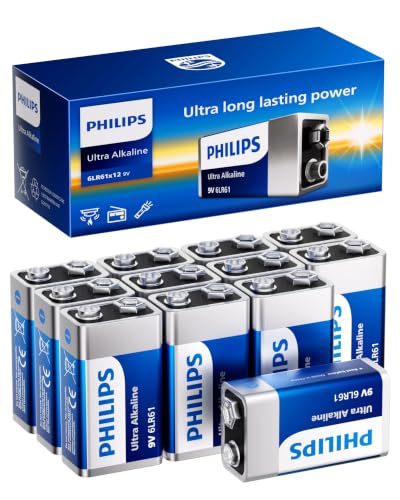
The larger PHILIPS package shifts the emphasis from occasional backups to regular household maintenance. Twelve cells cover several alarms, meters, or audio accessories while reducing the need for frequent restocking.
The stated shelf life remains useful even when the package exceeds your immediate needs. In a home with many compatible 9V slots, that reserve can simplify yearly replacement routines.
A Strong Showing
- Twelve batteries suit homes with multiple replacement points.
- Alkaline cells provide a familiar option for common 9V equipment.
- Low self-discharge supports batteries stored between uses.
- The stated shelf life suits emergency and maintenance reserves.
- A larger pack reduces replenishment during multi-device routines.
Practical Considerations
- Extra cells take more drawer or cabinet space.
- Stored batteries should remain in their original packaging under moderate conditions.
Made For
Multi-room homes, hobbyists, and maintenance teams replacing several 9V batteries each year benefit most.
Look Elsewhere When
DURACELL Coppertop 9V Battery, 6 Count fits mixed electronics users who want a shorter, more varied reserve.
PKRAINBO spreads its coverage across household alarms, guitar effects, and microphones rather than focusing on one device category. The 6LR61 designation identifies the common rectangular 9V form used by many compatible devices.
Sixteen cells suit a busy studio or household that combines safety equipment with musical gear. Your actual runtime still depends on each device’s draw, operating temperature, and battery requirements.
Advantages To Know
- The 16-pack supports numerous alarms and audio devices.
- Compatibility extends to guitar pedals and microphones.
- Alkaline chemistry suits common 9V accessories.
- The pack reduces repeated purchases across mixed equipment.
Minor Gripes
- The bulk quantity can be excessive for one household alarm.
- Owners commonly find it best to inventory large batches so older cells do not sit indefinitely.
- Device-specific instructions remain important for musical equipment.
Feature Snapshot
The Right Fit
Home studios, rehearsal spaces, and households combining alarm and music equipment receive the broadest utility.
Another Choice May Suit
PHILIPS 9V Alkaline Batteries, 4 Pack better serves smaller homes focused on alarms and emergency storage.
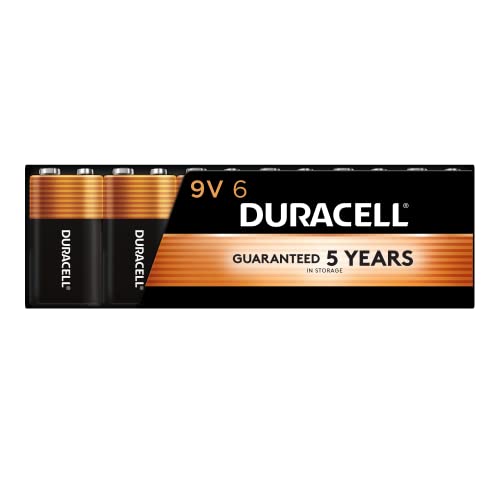
DURACELL Coppertop covers the familiar middle ground between a compact four-pack and a large maintenance bundle. Six alkaline cells suit household alarms, walkie-talkies, multimeters, and compact musical equipment.
The stated five-year storage period gives you a reasonable reserve for annual replacements. For installations requiring dozens of batteries, PROCELL 9V Alkaline Batteries, 72 Count offers much broader coverage.
Bright Spots
- Six cells cover a useful mix of home and hobby devices.
- The pack works well for smoke and carbon monoxide detectors.
- Walkie-talkies and guitar effects broaden the intended use.
- A multimeter-friendly household reserve reduces separate purchases.
- The stated storage period supports planned replacement stock.
Worth Noting
- Six cells may not suit facilities with extensive device inventories.
- Original packaging and moderate storage help preserve unused cells.
Who Will Love This
Homeowners who divide batteries among alarms, radios, meters, and occasional pedals will find the six-count format manageable.
Consider Something Else When
PKCELL 12-Pack 9V Batteries, Ultra Alkaline favors households prioritizing smoke-alarm replacements and a deeper reserve.
Seventy-two batteries represent a maintenance scale rather than a casual drawer refill. PROCELL positions this pack for commercial and industrial environments where alarms, security panels, and other 9V equipment are distributed across many locations.
A facility manager can rotate replacement stock without replenishing frequently. At home, the quantity may be excessive unless alarms, meters, or wireless microphones create steady demand.
Everyday Advantages
- The 72-count format supports large device inventories.
- A professional cell design targets demanding commercial equipment.
- Smoke detectors and carbon monoxide alarms form a central use case.
- Security panels and wireless microphones broaden daily coverage.
Potential Drawbacks
- The large quantity creates substantial storage needs.
- You may lose track of older cells unless each unit is dated on arrival.
- Single-home use may leave many batteries unused for long periods.
Core Details
Whose Shelf It Belongs On
Facility teams, property managers, and technicians maintaining numerous compatible devices get the most value.
Reach For A Different Pick When
PHILIPS 9V Alkaline Batteries, 4 Pack better fits a home that only needs a few stored alarm replacements.
PKCELL lands between the compact household packs and PROCELL’s facility-scale bundle. Its 12 alkaline cells are aimed primarily at smoke alarms, giving regular replacement routines a useful reserve.
The stated service-life advantage over ordinary 9V alkaline cells makes the pack more compelling for maintenance-focused households. PHILIPS 9V Alkaline Batteries, 12 Pack may make more sense when a longer shelf-life claim matters most.
Useful Strengths
- Twelve cells support recurring alarm replacements.
- The ultra-alkaline format targets extended service life.
- The stated lifespan exceeds ordinary 9V alkaline batteries.
- The reserve remains practical for several household compartments.
Room For Improvement
- The pack gives less room for storage than the 16-count PKRAINBO set.
- Smoke alarms still require scheduled testing and timely replacement.
Quick Facts
Best Suited To
Households with several smoke alarms and a preference for maintaining a concentrated replacement reserve fit this format well.
Where A Sibling Pick Shines
PROCELL 9V Alkaline Batteries, 72 Count serves larger facilities that distribute batteries across substantially more equipment.
What Matters Before You Choose
Start with chemistry and device instructions. Alkaline cells are non-rechargeable, meaning you replace them after use, while the PHILIPS lithium option in this roundup uses a different chemistry and requires compatible equipment.
Pack size should reflect actual demand. Four cells suit a few alarms, 6 or 12 covers regular household maintenance, and 72 is practical for facilities rather than a single room.
Shelf life is useful for emergency cabinets, but proper storage still matters. Keep cells in their original packaging, away from excessive heat and moisture, and rotate stock so older batteries reach use before newer ones.
For equipment with steady power demands, review the device’s battery guidance. Higher capacity or lithium chemistry may be advantageous in selected cases, while ordinary household alarms often benefit more from a simple alkaline reserve.
Common Mistakes Worth Avoiding
Wrong Turns To Avoid
Do not choose pack size before counting compatible battery compartments. A small pack can leave you short during routine maintenance, while a 72-count bundle may occupy more cabinet space than your devices ever need.
What Separates Premium From Basic
Differences often involve chemistry, capacity, storage engineering, and intended equipment. Paying more can be sensible for higher-drain devices or long storage intervals, but standard alkaline cells remain practical for many common uses.
Frequently Asked Questions
Can 9V alkaline batteries be recharged?
No. These are disposable cells, so depleted batteries need replacement according to the device guidance.
Are lithium and alkaline 9V batteries interchangeable?
Only when the manufacturer permits both formats. Check voltage requirements and chemistry recommendations before installation.
How should spare 9V batteries be stored?
Keep unused cells in their original packaging, away from excessive heat, moisture, and metallic contact.
How often should smoke alarm batteries be replaced?
Follow the alarm manufacturer’s schedule and test procedure. A common maintenance interval is about once a year, though your specific device may differ.
Is a larger battery pack always better?
No. A larger pack helps frequent maintenance, while a smaller pack reduces storage space and leftover cells.
Final Verdict
Choose a four-pack for compact household coverage, six or 12 cells for regular maintenance, and a large professional bundle for extensive device inventories. Match the chemistry and connector format to your equipment, then store spare cells properly and keep a consistent replacement routine.
