


A guitar pedal chain can drain ordinary batteries quickly, especially during rehearsals, live sets, and multi-effect switching. Rechargeable 9V cells reduce replacement interruptions, while non-rechargeable lithium options suit musicians who prefer a longer shelf-life and simple disposal. Your pedal’s polarity and battery requirements deserve attention before making the switch. Here are seven practical options for pedalboards, wireless microphone systems, and mixed household electronics.
How The Shortlist Stacks Up
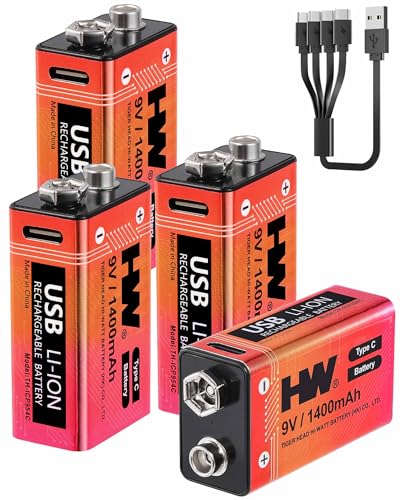
HW 1400mAh USB-C 9V Batteries, 4 Pack

PHILIPS 1200mAh 9V Batteries, 4 Pack

PHILIPS Long-Lasting 9V Lithium Batteries, 4 Pack

ALLMAX 9V Lithium Batteries, 12 Count

HW 1400mAh USB-C 9V Batteries, 8 Pack

HW 1400mAh USB-C 9V Batteries, 12 Pack

EASTAR BTS Alkaline 9V Batteries, 2-Pack
A Breakdown Of The Leading Choices
This compact HW set suits a small board with two or three 9V pedals, particularly during regular practice sessions. Its rechargeable format removes the need to keep disposable cells in a pedal drawer.
The built-in USB-C ports simplify charging, while the included 4-in-1 cable reduces the need for separate leads. Compared with the larger HW packs later in the list, the four-battery format is easier to rotate across a smaller collection of devices.
What Stands Out
- USB-C charging is built directly into each battery.
- The 1400mAh capacity supports repeated use in compatible equipment.
- Four cells provide a manageable starting set.
- An LED indicator shows charging status.
Minor Gripes
- Four batteries may be thin for a large multi-pedal board.
- Rechargeable cells require periodic charging before storage.
- Confirm that every pedal accepts rechargeable 9V power.
Feature Snapshot
Right Fit
Home practice and compact pedalboard owners benefit most from this four-battery set.
Another Choice May Suit
Bands running several 9V devices will find the HW 1400mAh USB-C 9V Batteries, 12 Pack more convenient.
Disposable lithium cells offer a clean alternative to rechargeable 9V batteries. This PHILIPS pack suits musicians who travel between rehearsals and want batteries that can remain installed until routine replacement.
Unlike HW’s USB-C models, these cells need no charging cycle. The stated 1200mAh capacity also makes them more interesting for steady-drain pedal electronics than ordinary alkaline cells, although your pedal manufacturer’s guidance remains controlling.
Key Advantages
- The non-rechargeable format needs no charging station.
- A four-pack covers several compatible household devices.
- Stated 1200mAh capacity supports steady power delivery.
Practical Considerations
- Disposable cells create recurring replacement needs.
- Used lithium batteries still require responsible disposal.
- Pedal polarity and rechargeable-battery guidance should be checked.
Who It Suits Best
Musicians who value simple installation over rechargeable convenience will appreciate this four-pack.
A Better Fit Elsewhere
HW 1400mAh USB-C 9V Batteries, 8 Pack suits pedalists who prefer fewer long-term replacements.
PHILIPS positions this lithium pack for a broad range of household and office electronics. That makes it less pedal-specific than HW’s eight-battery set, but useful for maintaining a mixed collection of compatible devices.
Rechargeable 9V batteries can present different discharge behavior from disposable lithium cells because their output changes as they charge. Depending on your pedal design, that difference may be noticeable, so the manual deserves a quick check before committing the full set.
Well-Handled Touches
- Lithium chemistry suits devices needing dependable shelf-stable power.
- The four-pack offers a practical household reserve.
- No charger or charging cable is required.
Worth Noting
- No specific capacity figure is provided.
- It cannot recharge, so replacements remain ongoing.
- Compatibility with rechargeable pedal electronics is not addressed.
Made For
You maintain several household electronics and need a simple disposable lithium supply.
Where Another Pick Shines
HW 1400mAh USB-C 9V Batteries, 8 Pack is more targeted for frequent guitar pedal use.
Twelve cells make this ALLMAX pack the most substantial disposable inventory in the group. It fits touring musicians, teachers, and rehearsal-room users who would otherwise replace several 9V cells at once.
The lithium format targets sustained output in high-drain equipment, making it worth considering for pedalboards with several digital effects. Unlike the HW packs, it adds no charging equipment or recharge routine, which can simplify preparation for a busy week.
Good Reasons To Consider
- Twelve batteries support extensive device rotation.
- Lithium chemistry is designed for high-drain electronics.
- Disposable cells travel without a separate charger.
- The larger inventory suits touring and teaching schedules.
Trade-Offs
- The full pack may be excessive for a single-pedal setup.
- No detailed recharge or capacity data is included.
- Keep unused lithium cells away from heat and physical damage.
Quick Facts
Who Will Love This
Touring guitarists and instructors maintaining several 9V devices benefit from the large disposable set.
Look Elsewhere
HW 1400mAh USB-C 9V Batteries, 8 Pack better serves players seeking fewer recurring purchases.
This HW eight-pack is the most direct fit for a pedalboard containing several compatible 9V effects. You can rotate charged cells through rehearsal, practice, and recording sessions without returning to disposable batteries.
Built-in USB-C charging simplifies the routine: connect the batteries and wait for the LED status indication. Compared with ALLMAX’s disposable lithium set, this option shifts more responsibility toward scheduled charging but reduces ongoing replacement purchases.
A Favorable Mix
- Eight cells give a typical pedal board useful rotation capacity.
- 1400mAh provides a stated high-capacity rating.
- USB-C charging is built into every cell.
- The 4-in-1 cable charges multiple batteries together.
- LED indicators make charging status easier to monitor.
Points To Keep In Mind
- Some pedal manufacturers restrict rechargeable 9V batteries.
- Recharge before gigs rather than relying on a last-minute top-up.
The Details
Built With In Mind
Weekly guitarists with several compatible 9V pedals receive the most useful balance of capacity and pack size.
Consider Something Else
HW 1400mAh USB-C 9V Batteries, 4 Pack is easier to manage for a minimal pedalboard.
Twelve rechargeable cells suit a busy setup combining guitar pedals with compatible wireless microphones. The larger inventory reduces the chance of running short during rehearsals, classes, recording sessions, or multi-day events.
That scale introduces a storage trade-off, since twelve charged cells need a protected place away from heat. Even so, this pack shares the same 1400mAh rating and USB-C charging approach as HW’s smaller sets, giving you one charging routine across several devices.
The Upside
- Twelve batteries cover pedals and multiple microphones.
- Rechargeable cells reduce recurring disposable purchases.
- USB-C ports avoid dedicated 9V charger slots.
Where It May Fall Short
- The pack is oversized for one or two devices.
- Charging twelve batteries takes planning before use.
- Compatible wireless models may have their own battery rules.
Whose Shelf It Belongs On
Performers and instructors running pedals plus multiple wireless microphones benefit from this inventory.
A Different Pick May Suit
HW 1400mAh USB-C 9V Batteries, 8 Pack is more manageable for pedal-only use.
For occasional pedal work, EASTAR BTS offers a familiar alkaline option with less initial commitment than an eight- or twelve-cell rechargeable set. The two-battery pack suits a simple board or emergency household reserve.
Alkaline chemistry avoids rechargeable-device compatibility concerns, though you still need correct polarity. Its stated 10-year shelf life concerns storage before use, not operating duration, so it doesn’t change the need to carry replacements during frequent gigs.
What It Does Well
- Alkaline cells suit devices designed for disposable batteries.
- The stated shelf life supports long-term household storage.
- Two batteries are easy to carry in a pedal case.
Small Caveats
- Two cells offer little backup during repeated use.
- Alkaline batteries are not rechargeable.
- Shelf life should not be confused with in-device runtime.
Quick Technical Notes
Who Should Grab It
Occasional players with a single compatible pedal benefit from this compact alkaline pair.
Reach For A Different Pick
HW 1400mAh USB-C 9V Batteries, 8 Pack suits guitarists playing several compatible pedals weekly.
What Matters Before You Fill Your Pedalboard
Rechargeable Or Disposable Power
Rechargeable cells suit frequent players because a rotating set can handle repeated sessions without frequent battery purchases. Disposable lithium batteries suit musicians who prefer simple installation and longer unattended storage; their trade-off is recurring replacement and responsible disposal.
Capacity Versus Pack Size
Capacity, measured in milliampere-hours or mAh, describes stored charge. A higher figure can support longer operation, but actual runtime depends on the device’s current draw and efficiency. Choose enough cells to rotate while charging rather than buying a large pack you rarely use.
USB-C Makes Charging Easier
A built-in USB-C port means you can charge the cell through a common cable instead of a dedicated 9V charger. The four-in-1 lead included with the HW sets also reduces cable clutter, making scheduled top-ups easier before rehearsal or travel.
Check Your Pedal Requirements
Confirm the pedal accepts 9V batteries and observe the polarity marking inside its compartment. Rechargeable cells can have a different discharge pattern from disposable lithium or alkaline batteries, so the equipment manufacturer’s guidance should take precedence.
Pedal Battery Details Worth Noticing
Mistakes Worth Dodging
A square battery may fit physically while still having reversed polarity, so match connector shape and polarity markings. Do not assume a high-capacity rating makes rechargeable cells compatible with every pedal, particularly older designs.
What The Upgrade Provides
The larger rechargeable packs mainly add inventory and a USB-C charging routine. Those extras suit frequent users, while a small disposable pair remains more practical for occasional playing.
